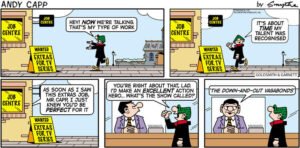
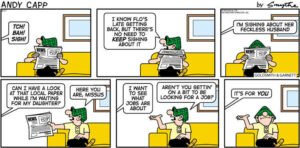
For millions of people around the world, the name Andy Capp might bring to mind a few different things. Some might picture a lazy man in a flat cap stumbling home from the pub. Others might think of a reggae song from the 1960s. And for many in the United States, the name is linked to a popular snack found at corner stores. The truth is, Andy Capp is all of these things and more. What started on August 5, 1957, as a simple cartoon strip in the British newspaper The Daily Mirror has grown into a global brand that has touched music, television, and even the food we eat .
Created by the talented cartoonist Reg Smythe, Andy Capp was meant to be a funny reflection of a working-class man from Hartlepool in Northern England . With his signature flat cap, cigarette hanging from his lip, and a love for beer and avoiding work, Andy quickly became a favorite. But Smythe never could have imagined that his “horrible little man,” as he once called him, would go on to inspire a reggae artist, a live-action TV show, and a line of snacks that are still sold today . This article explores the fascinating journey of Andy Capp and how a simple comic character became a true cultural icon.
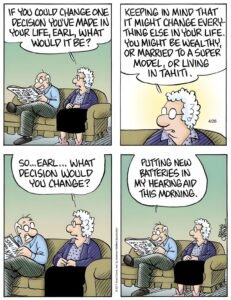
Image Credits : Gold Smith and Garnets
And Capp with 10+ comics
#1

#2

#3

#4

#5

#6

#7

#8

#9

#10

From the Comics Page to a Reggae Beat: The Musical Connection
One of the most surprising turns in the Andy Capp story happened not in England, but in Jamaica. In 1968, a Jamaican studio engineer and producer named Lynford Anderson recorded a song titled “Pop a Top” . The track was a massive hit, and it was so closely associated with the hard-drinking comic character that Anderson himself adopted the stage name “Andy Capp” . This connection shows just how far the comic’s reach had extended, influencing artists in the Caribbean who saw a link between the character’s love for a cold drink and the song’s lyrics about the pleasure of opening a soda bottle.
“Pop a Top” was notable for more than just its name. It is remembered as one of the first “talking” records in Jamaican music, featuring a fast rhythm that helped push the evolution from rocksteady to reggae . The song was even used in a commercial for Canada Dry in the 1970s . This strange but wonderful link between a British comic strip and the birth of reggae music highlights the universality of the character. While Lynford Anderson was a completely different person from the fictional Andy, the name and the vibe fit perfectly, creating a unique crossover that blended British humor with Jamaican sound.
Anderson went on to have a legendary career in music. He worked as an engineer at the famous Dynamic Sounds studio, recording tracks for icons like The Wailers and even working on the backing track for Roberta Flack’s “Killing Me Softly with His Song” . Yet, for many music fans from that era, he will always be the “Andy Capp” who sang about popping a top. This musical offshoot proves that the character’s influence extended far beyond the printed page, inspiring a genuine artist to take his name and create something new and lasting in the world of music.
A Failed Try at Prime Time: Andy Capp on Television
Given the character’s massive popularity, it was only a matter of time before someone tried to bring Andy Capp to the television screen. In 1988, a live-action TV series was produced by Thames Television and starred James Bolam, a well-known British actor, as the man himself . The series aimed to translate the daily gags of the comic strip into a full-length sitcom format, following the lives of Andy, his long-suffering wife Flo, and their neighbors in Hartlepool. For fans of the strip, this was a highly anticipated event.
Unfortunately, the transition from a three-panel comic to a half-hour TV show proved to be very difficult. While the comic strip was brilliant in “small bites,” the TV series struggled to make the character likable over a longer story . In the comics, Andy was seen as a “lovable rogue,” but on screen, his laziness, drinking, and constant scheming just made him seem mean and unlikeable. The show also faced the challenge of adapting the cartoon’s visual gags, like the famous dust clouds that represented Andy and Flo fighting, which looked awkward and unfunny in real life . The series only lasted for six episodes in early 1988 before being canceled.
Despite its failure, the TV show is an important part of the Andy Capp legacy. It shows the enduring appeal of the character and the belief that he could be a star in any medium. Reviews from the time pointed out that the show felt “unfunny” and that Bolam “never felt like Andy Capp” to many viewers . However, some fans today look back on it with a bit of nostalgia, appreciating its attempt to stay true to the source material. The series serves as a lesson that some characters are perfect for the newspaper page but just can’t survive the harsh light of live-action television.
The Snack That Made Him a Household Name in the US
While the TV show may have flopped, Andy Capp found massive success in America in a different way: through snacks. In 1971, a company called GoodMark Foods licensed the name and likeness of the character to create a new product line called Andy Capp’s fries . These were not actual fries, but rather corn and potato snacks shaped like french fries, seasoned with bold flavors. The idea was brilliant: associate the snack with the comic character’s no-nonsense, working-class attitude and his love for pub food.
The branding was a perfect match. The most popular flavor, “Hot Fries,” became an instant classic in the United States. The bright red bags, often featuring an image of Andy looking mischievous, became a staple in school lunchboxes, gas stations, and vending machines across the country. By attaching his name to a tangible product, Andy Capp became more than just a character you read about in the newspaper; he became a part of everyday life . The snack allowed people to have a small, tasty connection to the world of the comic strip.
Today, the Andy Capp’s snack brand is owned by the food giant ConAgra Foods . Over the years, the line has expanded to include many different flavors like Cheddar, BBQ, and even “Beer Battered Onion Rings,” which keeps the pub theme alive . For millions of Americans, the name Andy Capp doesn’t primarily mean a comic strip; it means a bag of spicy, crunchy snacks. This commercial success is perhaps the strongest evidence of the character’s broad appeal. He crossed the Atlantic Ocean not through newspapers alone, but through a product that fit perfectly with his personality, proving that a simple cartoon character could build a snack food empire.
The Lasting Legacy of a “Horrible Little Man”
So, why is Andy Capp more than just a comic? Because he became a sponge for the culture around him. He started as a reflection of a specific time and place—Northern England in the 1950s—but his personality was so strong and yet so simple that it could be projected onto other things . He became a reggae singer in Jamaica, a failed sitcom star in Britain, and a spicy snack in the United States. His image has even been used by the National Health Service in an anti-smoking campaign and has been turned into tattoos by devoted fans around the globe .
The character continues to appear in newspapers to this day, still dodging work and looking for a pint, a testament to the timelessness of Reg Smythe’s creation . He has been translated into 14 languages and is read in hundreds of newspapers worldwide . While his early days were marked by controversy, particularly regarding his violence towards his wife Flo—something his creator later regretted—Andy evolved with the times . He quit smoking when Smythe did, and his rough edges were smoothed over.
Ultimately, Andy Capp endures because he represents a universal archetype. As an editorial in Istanbul once noted, “Andy is as much Turkish as he is English. And he is probably Greek, Italian and Polish too” . He is the everyman who refuses to play the game, who values his leisure time, and who always has a cheeky comeback. Whether you know him from the funny pages, a retro reggae record, or a bag of spicy fries, Andy Capp has left an indelible mark on popular culture that proves he was never just a simple comic strip character.