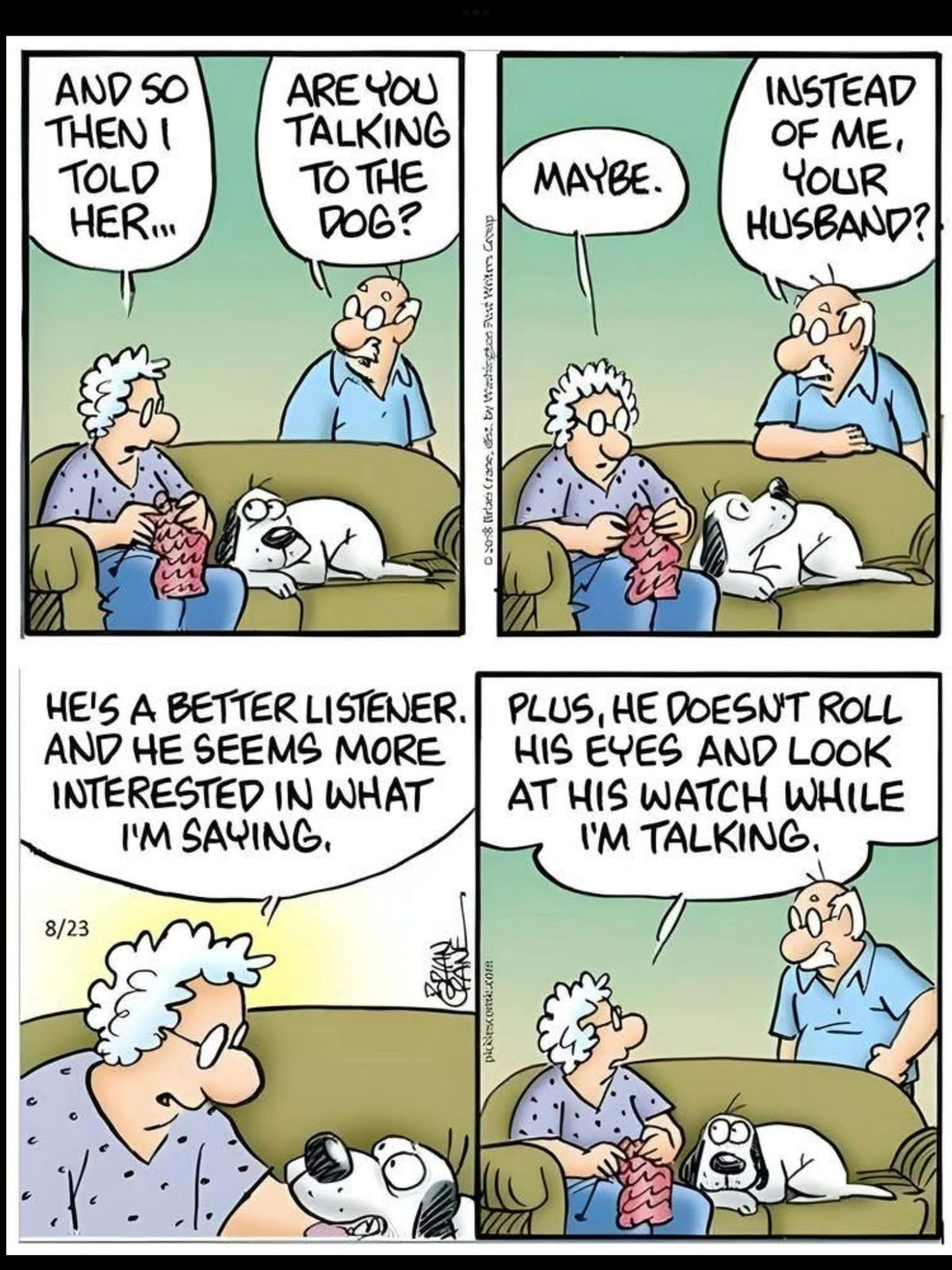
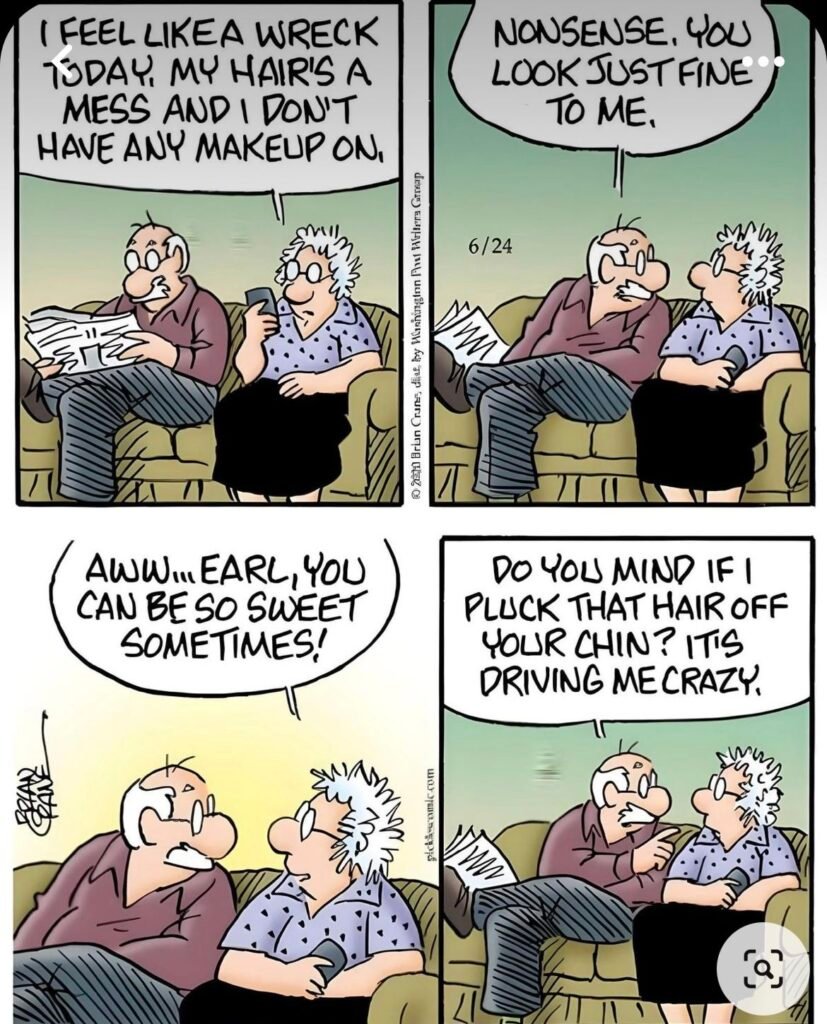
In a world where the morning news often feels heavy and our social media feeds are filled with stress, finding a small moment of peace and laughter is more important than ever. For millions of readers, that moment comes from a simple, black-and-white comic strip featuring an elderly couple with a bald head and a bushy mustache. Since its debut in 1990, Brian Crane’s Pickles has become a staple in nearly 1,000 newspapers worldwide, offering a gentle look at life through the eyes of Earl and Opal Pickles .
But what is it about this particular strip that keeps readers coming back day after day? It isn’t just the punchlines about getting older. It is the underlying warmth that seeps through every panel. In a fast-paced digital age, Pickles serves as a reminder to slow down and appreciate the small stuff. Whether it’s a silly misunderstanding with their grandson or a quiet moment with their dog Roscoe, the comic strips delivers a feeling of comfort that is hard to find elsewhere. It is optimism served with a smile, proving that happiness doesn’t require grand gestures—sometimes it is just about sharing a cup of coffee with someone you love.
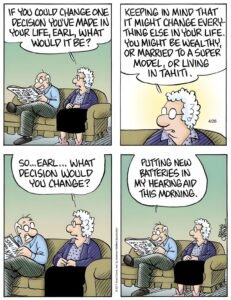
10+ Pickles Comics
Image Credit : Pintrest.Com
#1
#2
#3
#4

#5
#6
#7
#8
#9

#10
Meet the Pickles Family: Characters That Feel Like Neighbors
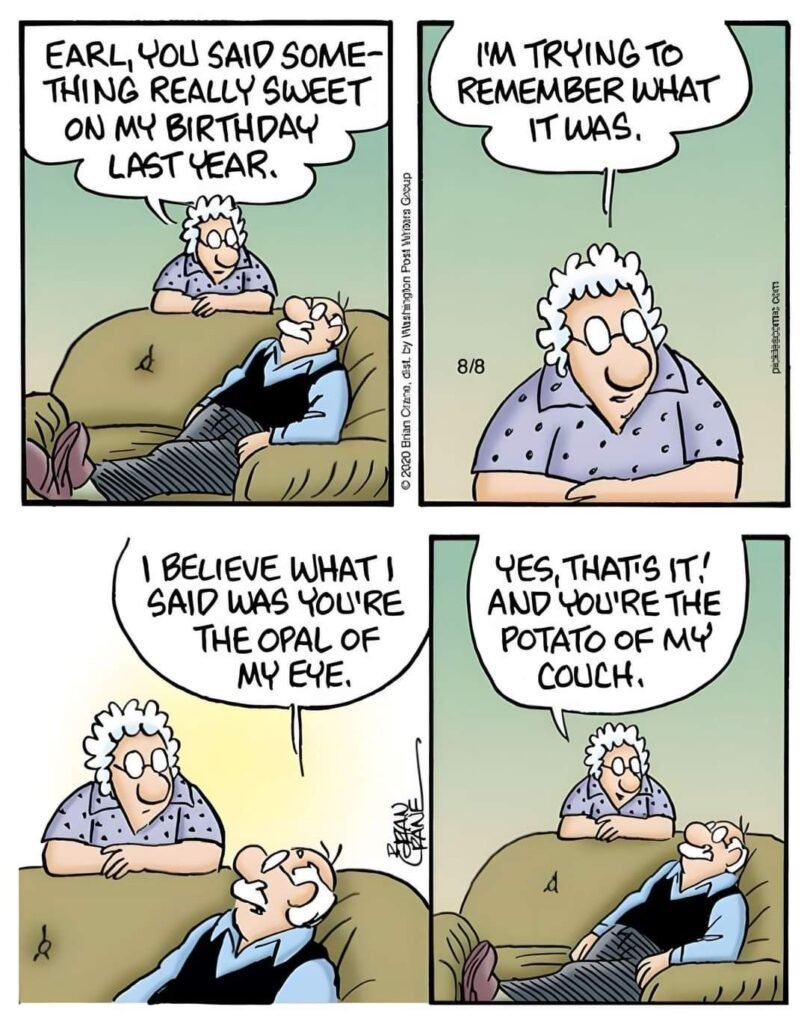
The heart of any great comic lies in its characters, and Pickles has some of the best in the business. At the center are Earl and Opal Pickles, a retired couple in their seventies who have been married for over 50 years . Earl is the classic curmudgeon—a self-proclaimed “couch potato” and “geezer-in-residence” who isn’t afraid to complain about the struggles of folding a fitted sheet or dealing with new technology . Opal, on the other hand, is the glue that holds the household together. Often seen in her signature purple polka-dotted dress, she is the quick-witted “cat servant” to Muffin, their sassy feline, who always keeps Earl in check .
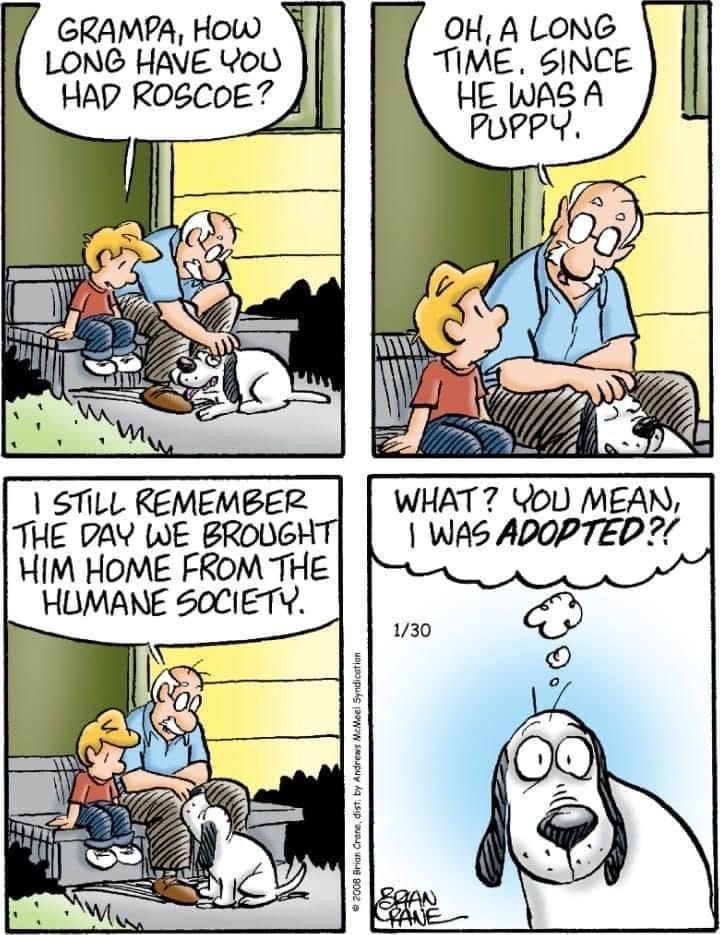
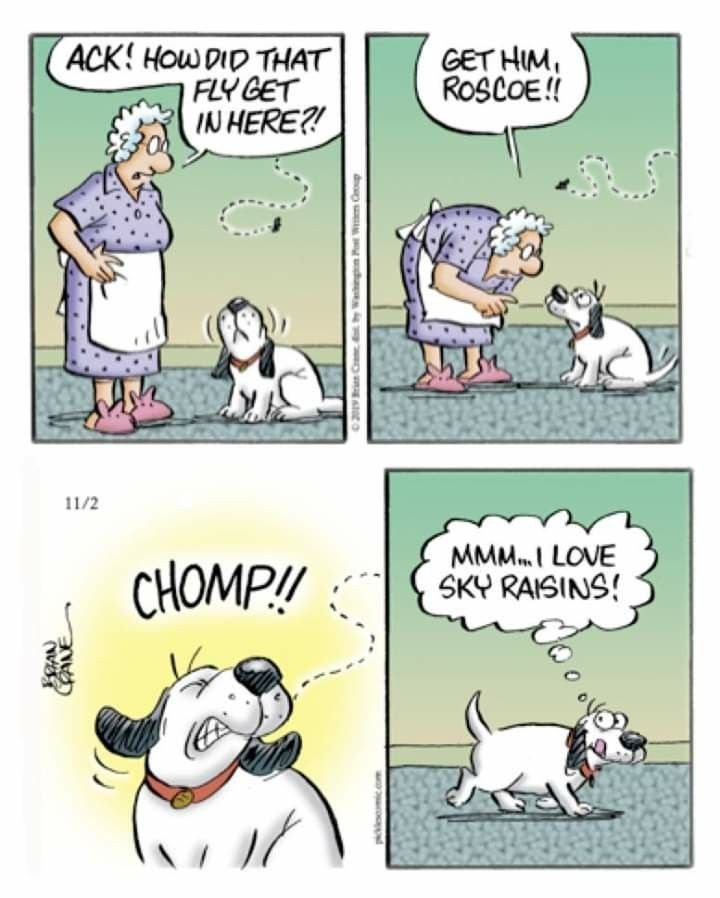
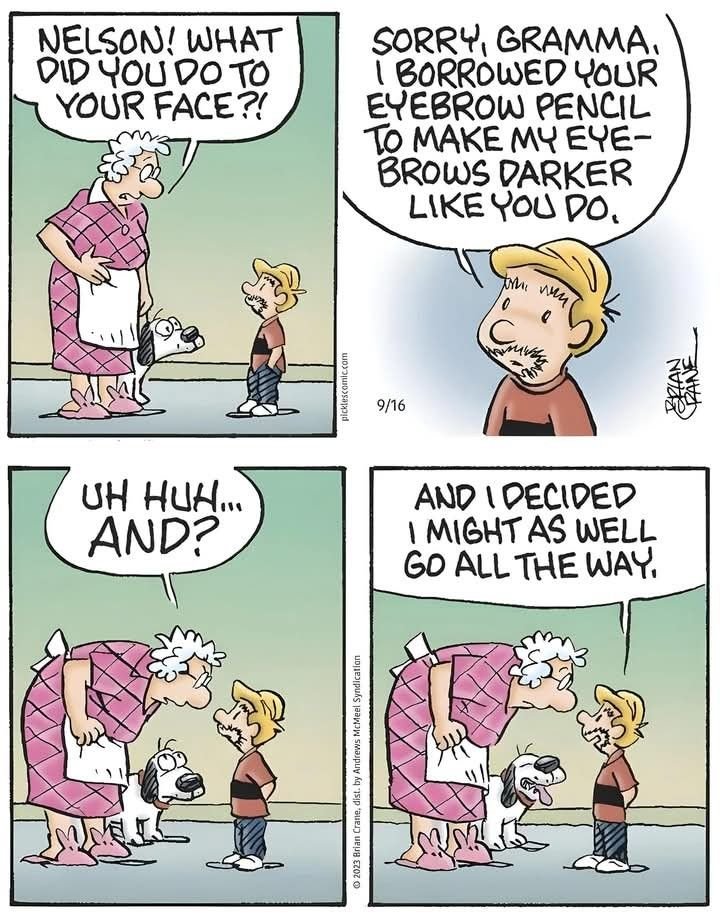
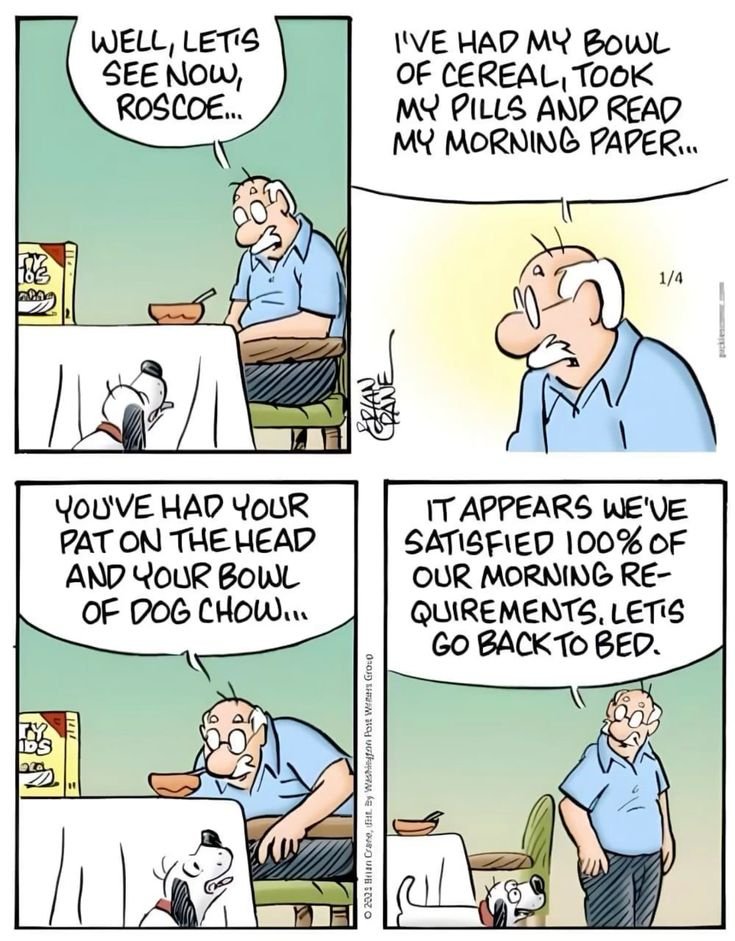
This dynamic alone would be entertaining, but the supporting cast elevates the strip to classic status. Their six-year-old grandson, Nelson, brings a youthful curiosity that often leaves his grandfather scratching his head . Then there are the pets—Roscoe the dog and Muffin the cat—who are often drawn with thought balloons, giving readers a hilarious peek into what animals really think about their humans . When you read Pickles, you aren’t just looking at drawings on a page; you are peeking into a world that feels authentic. It is easy to see your own grandparents, your own kids, or even your own pets in these characters, which is exactly why the strip has remained popular for over three decades .
Finding Humor in the Everyday Struggles of Life
One of the biggest reasons Pickles works so well is that it doesn’t rely on wild adventures or fantasy settings to get a laugh. Instead, it finds the comedy in the ordinary. Brian Crane has a unique gift for taking the mundane moments of daily life—the ones we all experience but rarely talk about—and turning them into comic gold . Take, for example, Earl’s legendary battle with a fitted sheet. In one strip, he compares the struggle of folding the impossible sheet to waking up trapped in a “body bag,” a joke that resonates with anyone who has ever lost a fight with laundry .
The strip also brilliantly captures the “tech gap” that many families face. There is a classic moment where Opal can’t figure out her phone’s volume or password, and Nelson is baffled by her confusion. Her response? “I taught you how to use a spoon.” It is a perfect mic-drop moment that reminds us that wisdom comes in many forms, and that being good with technology doesn’t make you smarter than the people who raised you . By highlighting these small, relatable frustrations, Pickles reminds us that we aren’t alone in our daily chaos. It tells us that it is okay to laugh at ourselves when we can’t find our keys, when the printer lies about a paper jam, or when we accidentally use a frisbee as a dinner plate .
The Optimism of Aging: Why Growing Old Looks Fun
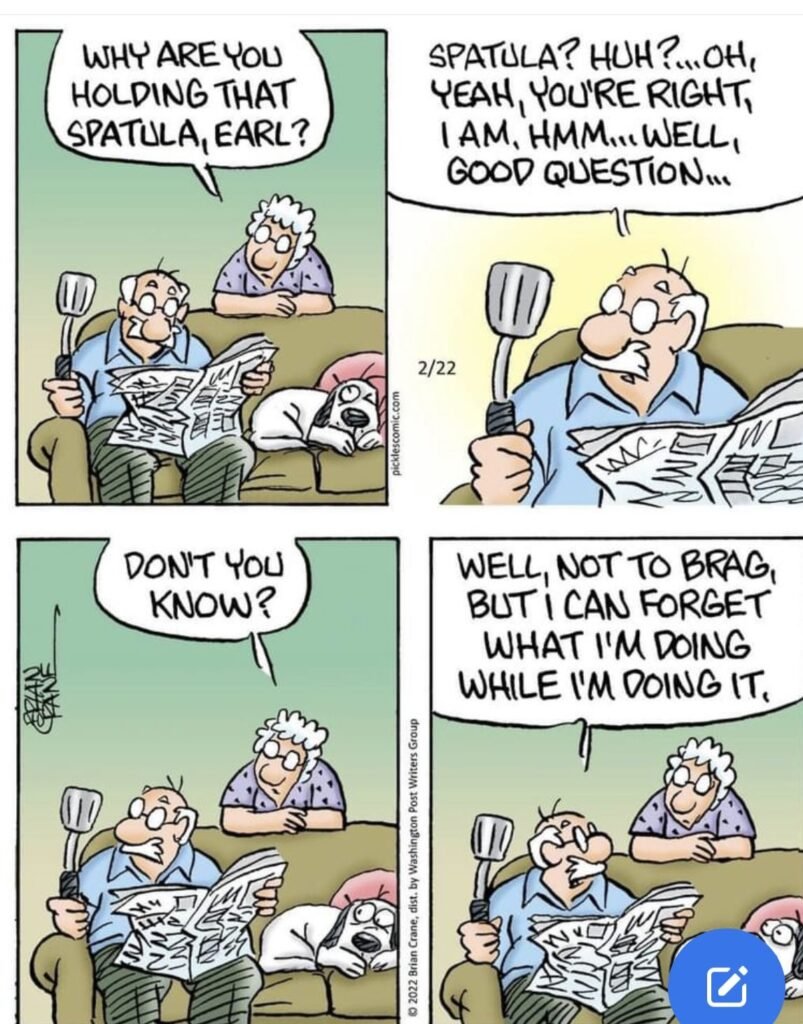
While society often obsesses over youth and beauty, Pickles offers a refreshing counter-narrative: getting older can actually be pretty great. The strip doesn’t shy away from the realities of aging—Earl deals with bad knees, confusing prescription bottles, and the sudden urge to take naps—but it always frames these moments with a wink and a smile . Instead of fearing the passage of time, Earl and Opal embrace it. They show us that while your body might slow down, your sense of humor doesn’t have to.
This optimism is perhaps best summed up in a strip where Earl explains to a friend that he doesn’t “think” of himself as old, because that mindset would actually make him feel old. But in true Pickles fashion, the very next panel shows him eagerly asking a waiter for the senior discount the moment he sees the bill . It’s a beautiful lesson in perspective. The comic encourages us to hold onto our youthful spirit while also taking advantage of the perks that come with experience. As Charles Schulz, the creator of Peanuts, once said, “I think it would be very comforting to have Earl and Opal for neighbors” . They represent the kind of aging we should all aspire to—where every wrinkle tells a story, and every day is an opportunity for a little mischief.
Bridging the Generational Gap with Laughter
In a time where the generations often feel divided—by politics, by technology, by culture—Pickles serves as a common meeting ground. The interaction between Earl, Opal, and their grandson Nelson is a masterclass in intergenerational bonding . Nelson looks at the world with wide-eyed wonder, often asking questions that make his grandpa think. Meanwhile, Earl and Opal get to relive their youth through his antics, whether they are explaining why stomping in puddles is fun or marveling at the Tooth Fairy’s gullibility .
These moments are vital because they show that despite the age gap, the core of family remains the same. Love is love, whether you are six or sixty. When Earl teaches Nelson about the ancient history of a rock, only to immediately throw it in a lake for fun, it shows a bond that is both wise and silly . This is why Pickles is one of those rare strips that can be enjoyed by everyone in the household. The kids laugh at Nelson’s schemes, the parents laugh at the parenting struggles, and the grandparents laugh at Earl’s unique view of the world. It turns the comics page into a conversation starter, bringing families closer together one panel at a time .
Conclusion: A Daily Prescription for Happiness
If you are looking for a way to start your day with a smile, look no further than Pickles. It is more than just a comic strip; it is a gentle reminder that life, with all its fitted sheets and faulty printers, is still a beautiful adventure. Brian Crane has created a world where the worries of the day can be melted away by the simple act of sharing a laugh with old friends—even if those friends are ink drawings on a newspaper page .
In a world that often feels complicated, Pickles keeps things simple. It teaches us to find joy in the routine, to laugh at our forgetfulness, and to treasure the people who sit across from us at the breakfast table. So, the next time you need a lift, let Earl and Opal show you how it’s done. After all, life is always better when you’re a little pickled.