For over three decades, newspaper readers have flipped to the comics section looking for a familiar dose of warmth and laughter. Among the giants of the industry, one strip has consistently delivered a gentle, heartfelt look at life: Pickles. Created by Brian Crane, this comic has become a staple in homes around the world. But what is it about this simple strip featuring an elderly couple and their family that continues to captivate audiences? In a world that changes faster than ever, Pickles remains a comforting constant, proving that some things—like love, frustration, and family—are truly universal.
Humor lovers keep coming back to Pickles because it doesn’t rely on shock value or trendy jokes. Instead, it finds the funny side of the everyday moments we all experience. Whether it’s battling with a fitted sheet, trying to understand a new smartphone, or just bickering lovingly with a spouse, Brian Crane captures these moments with a keen eye and a warm heart. The strip is a reminder that you don’t need superheroes or fantastical worlds to find entertainment; sometimes, the best laughs are found right in your own living room .
The enduring appeal of Pickles also lies in its optimism. In a media landscape often filled with cynicism, Earl and Opal Pickles navigate their golden years with a sense of humor that is both inspiring and infectious. They show us that getting older doesn’t mean losing your spark; it just means you have more memories to laugh about. It is this positive outlook, wrapped in clever punchlines, that makes the comic a daily dose of joy for millions and secures its place in the funny pages for years to come .
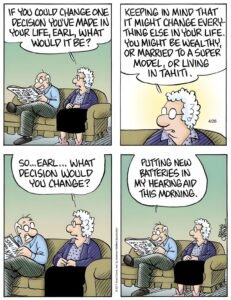
10+ Pickles Comics
Image Credit : Pintrest.Com
#1
#2
#3
#4

#5
#6

#7
#8
#9
#10
The Heartwarming Magic of Earl and Opal Pickles
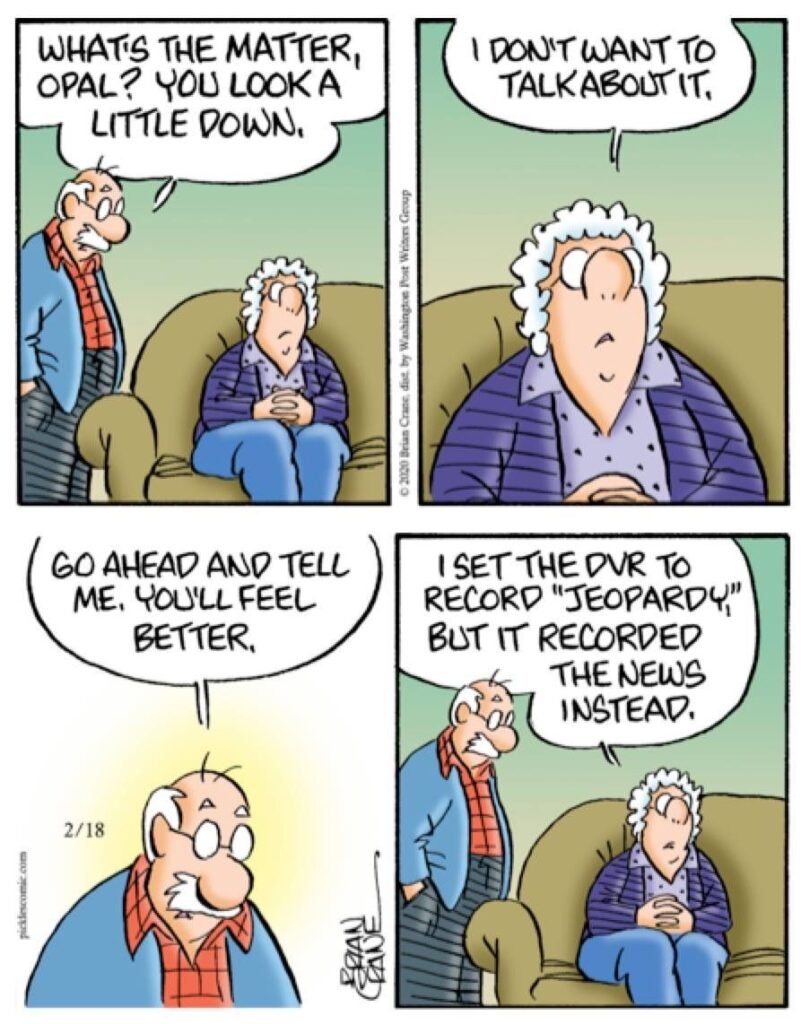
At the core of Pickles are its two main characters: Earl and Opal. They are a retired couple who have been married for over 50 years, and their dynamic is the engine that drives the strip’s humor. Earl is often portrayed as the lovable, slightly grumpy, and forgetful husband. He is the kind of guy who might try to eat soup with a frisbee or hide cookies in his fanny pack. Opal, on the other hand, is the sharp, witty, and patient (well, mostly patient) wife who is always there to bring Earl back down to earth with a perfectly timed, sarcastic remark .
Their relationship feels incredibly real. They aren’t a perfect, Hollywood-style couple; they bicker, they forget anniversaries, and they drive each other crazy. Yet, beneath every argument about the garage being messy or the cat getting too many treats, there is a deep and obvious love. This is what resonates so strongly with readers. Anyone who has been in a long-term relationship recognizes the playful “passive-aggressive love language” they share, like when Opal offers Earl ice cream only to take it back after he adds caramel, or when they play the “assumption game” about who is making dinner plans .
Because the characters are based on Crane’s own in-laws and observations of real life, they never feel like caricatures. They are authentic representations of aging with dignity and humor. Readers see their own grandparents, parents, or even themselves in Earl and Opal. This authenticity builds a connection that goes beyond a simple four-panel joke. We laugh with them, not at them, and we keep coming back because spending time with the Pickles family feels like visiting old friends who always have a funny story to share .
Relatable Humor: Finding Comedy in Everyday Life’s Little Struggles
One of the biggest reasons Pickles has such staying power is its commitment to relatable, slice-of-life humor. Brian Crane has a unique gift for taking the mundane frustrations of daily existence and turning them into comedic gold. The comics aren’t about winning the lottery or going on wild adventures; they are about the universal struggles that connect us all. Have you ever tried to fold a fitted sheet and ended up in a ball of frustration? Earl has, and he hilariously compares waking up tangled in one to being trapped in a “body bag” .
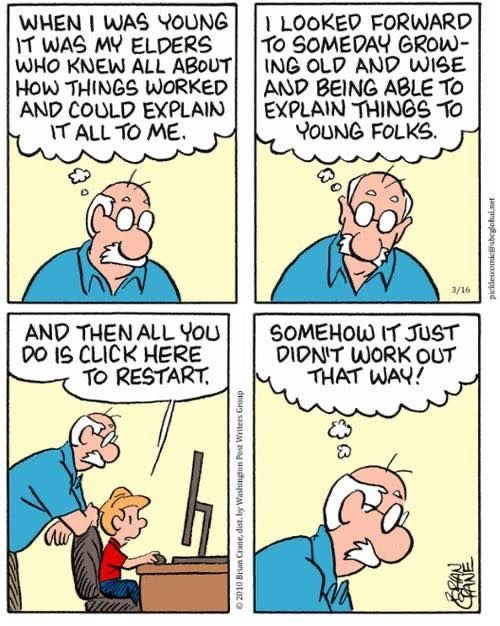
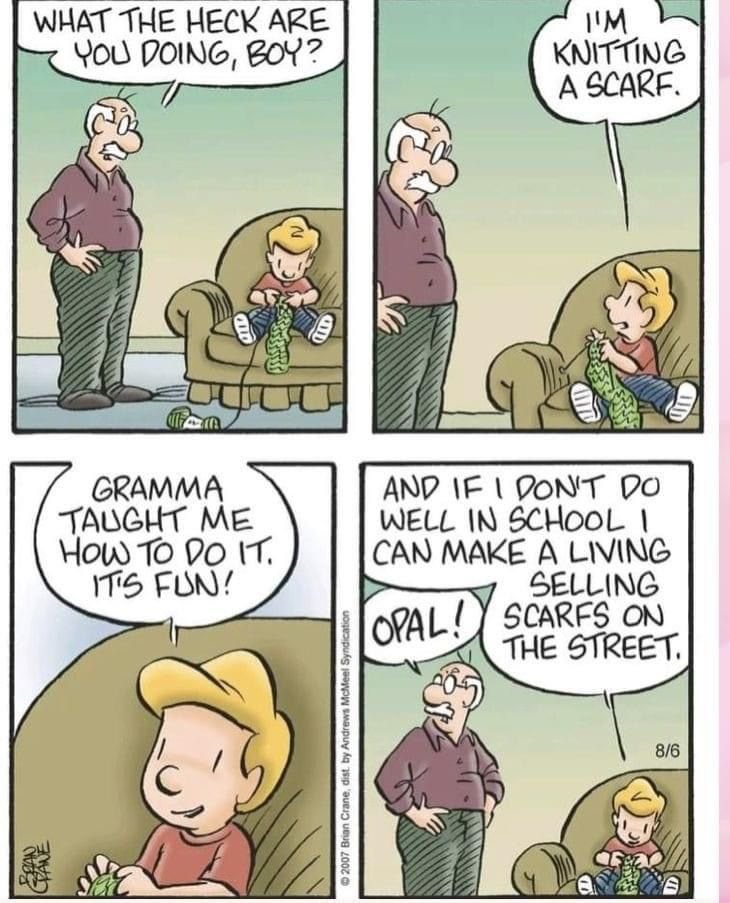
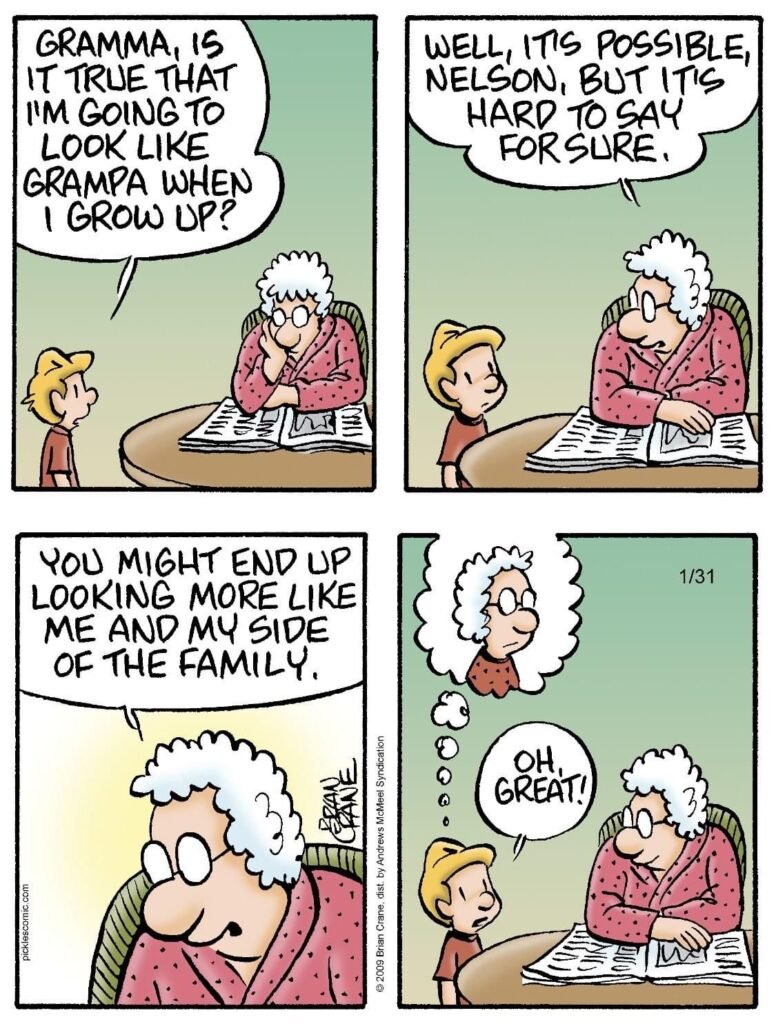
The strip also brilliantly captures the sometimes comical challenges of technology. Whether it’s Earl suggesting Opal do a “Wi-Fi ritual” by spinning around and chanting to get a signal, or Nelson trying to explain a smartphone password to his bewildered grandmother, these moments highlight the generational tech gap with affection rather than mockery. When Grandma fires back at Nelson’s tech confusion by reminding him, “I taught you how to use a spoon,” it’s a victory for common sense that readers of all ages can appreciate .
Beyond technology, Pickles finds humor in the little things: a cat that kneads a jacket to destruction, a squirrel that chases Grandpa around the yard, or the sheer confusion of prescription medicine instructions. These are not grand, earth-shattering events. They are the tiny, absurd moments that make up a life. By focusing on these “life hacks” of humor, Crane assures us that we are not alone in our struggles. We all have “fitted sheet fiascos” and “password problems,” and laughing about them together is what makes Pickles a timeless treasure .
A Multi-Generational Appeal That Bridges the Gap
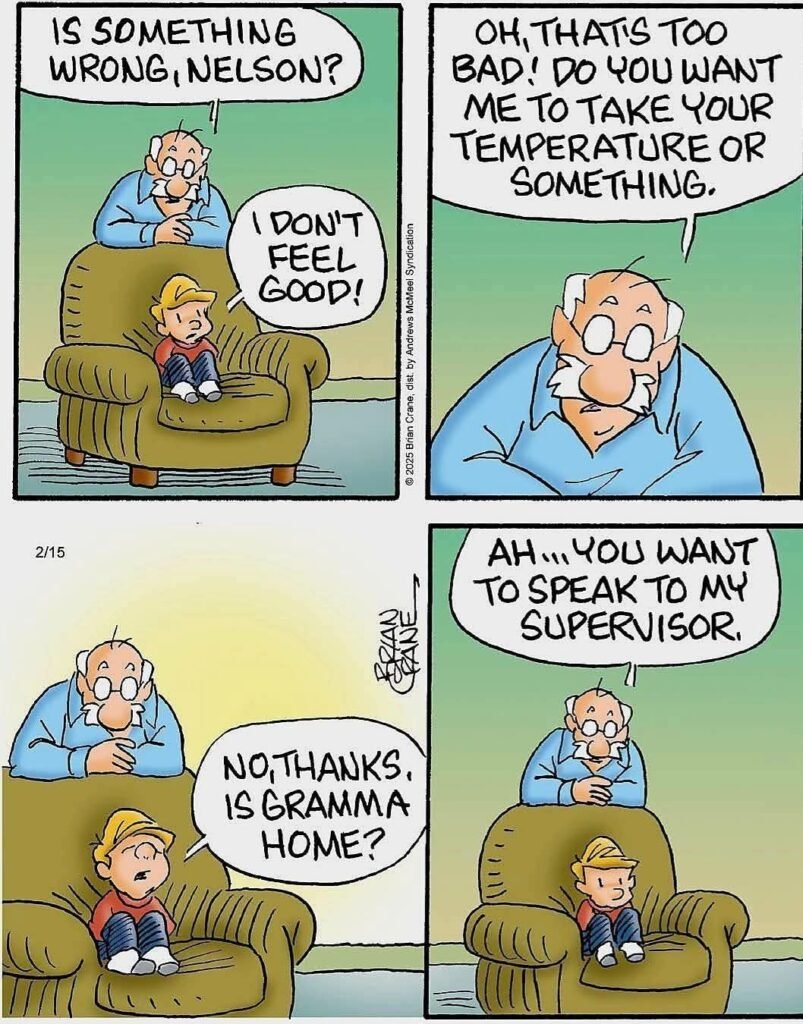
While Pickles centers on an older couple, its humor is far from limited to senior citizens. In fact, one of the strip’s greatest strengths is its ability to bridge the generational divide. The cast is rounded out by their daughter, Sylvia, and their curious and energetic grandson, Nelson. Through Nelson, younger readers get a voice in the comic, and older readers are reminded of the innocence and mischief of youth. This mix ensures that there is always someone in the strip for every reader to identify with .
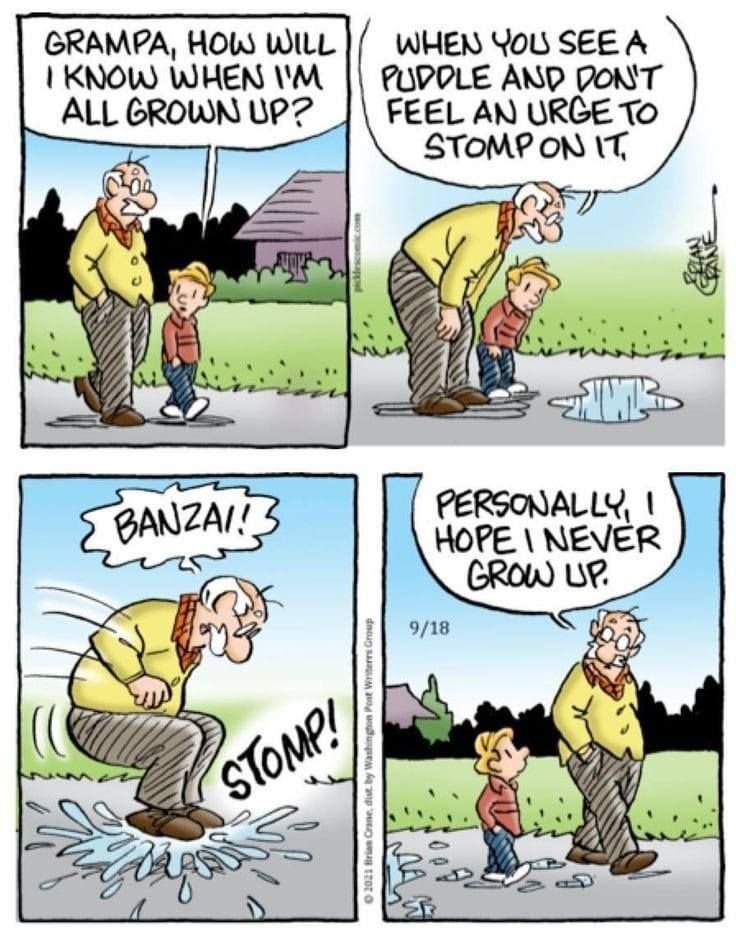
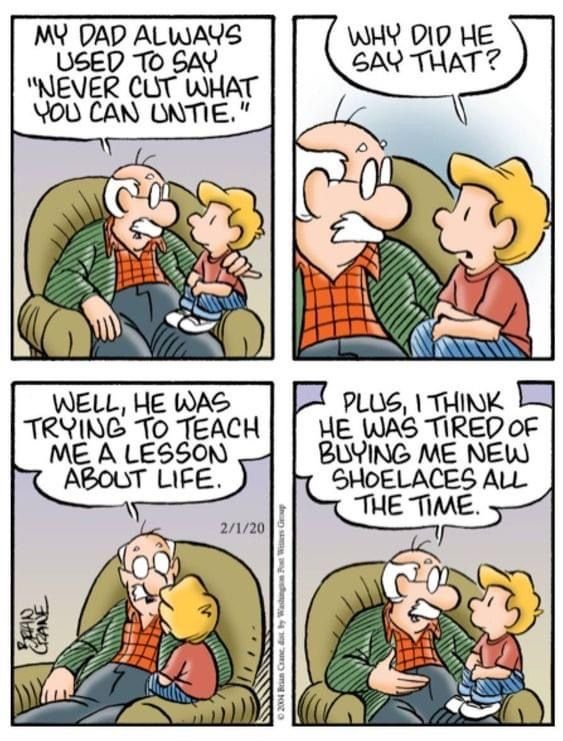
The interactions between Grandpa Earl and Nelson are particularly special. Earl gets to pass on his unique, often questionable, wisdom to the next generation. He might explain the importance of stomping in puddles or ponder the age of a rock before gleefully tossing it into a lake. These moments capture the pure joy of grandparent-grandchild relationships. Nelson looks up to Earl, even as he rolls his eyes at him, and Earl gets to relive his childhood through the eyes of his grandson. It’s a sweet, cyclical representation of life that reminds us that growing older doesn’t mean you have to grow up entirely .
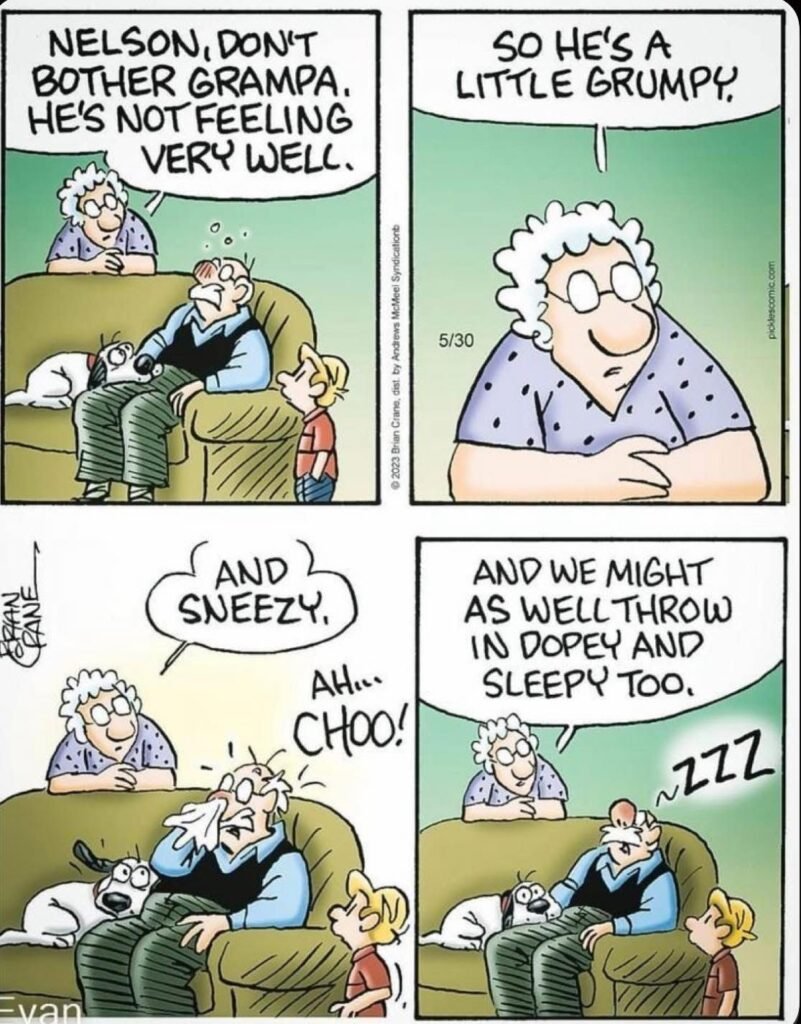
Furthermore, because the themes are so universal, Pickles can be enjoyed by the whole family together. A child might laugh at the sight of Roscoe the dog sprawled on Grandpa’s belly, while the parents laugh at Opal’s witty remark about the situation, and the grandparents nod knowingly at the depiction of retirement life. It is a clean, intelligent comic that doesn’t rely on divisive topics to get a laugh. Instead, it uses the common ground of family life—with all its chaos, love, and noise—to unite its readers in a shared moment of happiness .
The Enduring Legacy of Brian Crane’s Masterpiece
The success and timelessness of Pickles are a direct result of the talent and dedication of its creator, Brian Crane. Since launching the strip in 1990, Crane has maintained a consistent level of quality that is rare in any creative field. His simple, expressive art style is the perfect vehicle for his sharp, character-driven writing. The cartoons are easy to read, but the emotions they convey are deep. His work has not gone unnoticed by his peers; he has won some of the highest honors in the cartooning world, including the prestigious Reuben Award from the National Cartoonists Society for both Best Comic Strip (2001) and Outstanding Cartoonist of the Year (2013) .
What makes Crane’s achievement even more impressive is how he has kept the strip feeling fresh for over thirty years. He has managed to adapt with the times, incorporating modern issues like Wi-Fi and social media into the world of Earl and Opal without losing the classic charm of the strip. The characters age in real-time, but their core personalities remain wonderfully intact. This balance of tradition and evolution is incredibly difficult to achieve, but Crane makes it look effortless. His ability to find new jokes in the same characters year after year is a testament to his deep understanding of human nature .
Today, Pickles appears in hundreds of newspapers and reaches millions of readers online, proving that great humor is truly timeless. It has been collected in numerous books, including the aptly titled Still Pickled After All These Years, and has a robust presence on social media, allowing a new generation of fans to discover the strip. Brian Crane has built a legacy not just of laughter, but of kindness. In a busy and often stressful world, Pickles is a gentle reminder to slow down, appreciate the small things, and always, always keep your sense of humor .
Conclusion
In the end, the reason “Pickles Comics” remain a timeless favorite for humor lovers is simple: they are about us. They are about the joy of a long marriage, the frustration of a lost remote, the love for a mischievous pet, and the wonder of seeing the world through a child’s eyes. Brian Crane has created a world that is safe, funny, and deeply familiar. As long as there are fitted sheets to fold, cats to judge us, and grandkids to teach us new things, there will be a place for the Pickles family in the hearts of readers everywhere.