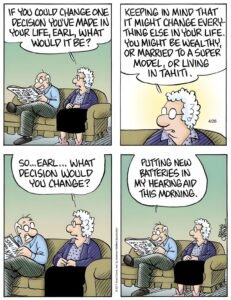
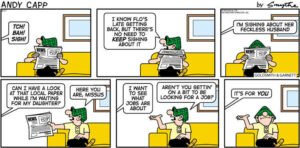
Andy Capp is one of those comic strip characters who feels like an old friend, even if you’ve only just discovered him. With his flat cap pulled down over his eyes and a cigarette dangling from his lips, he has been a fixture in newspapers for generations. For decades, his life followed a simple pattern: avoiding work, spending hours at the pub, and bickering with his wife, Flo. But if you look at the strip today, you will notice something surprising. The man who once settled arguments with his fists now sits on a couch next to his wife, talking things out with a marriage counsellor. This is the story of how Andy Capp traded his cigarettes for self-help, and how a simple comic strip grew up with the times .
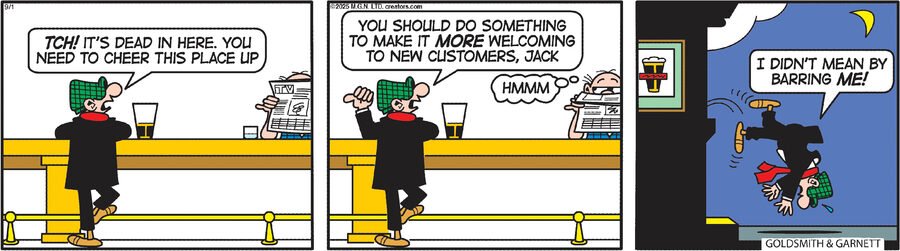
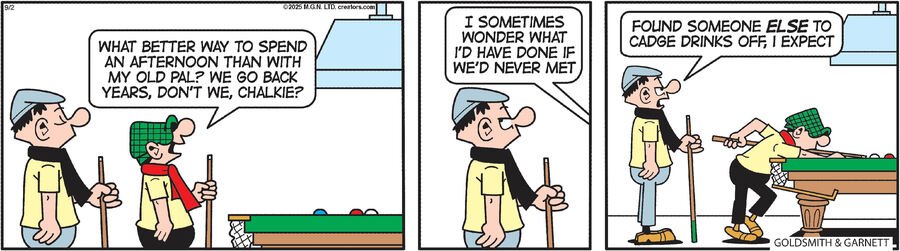
10+ Andy Capp Comics
Image Credit: Reg Smythe
#1
#2
#3
#4
#5
#6
#7
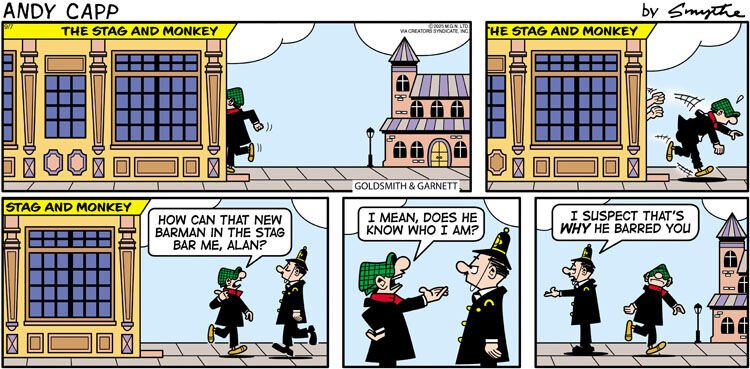
#8
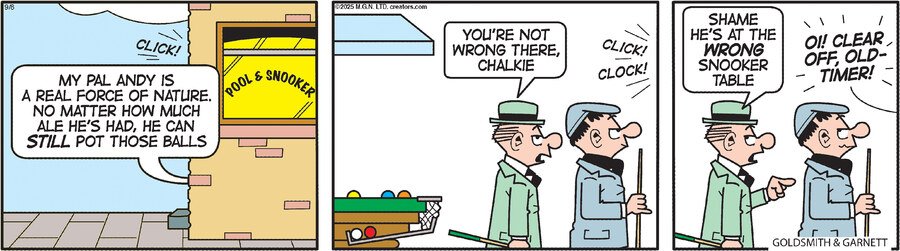
#9
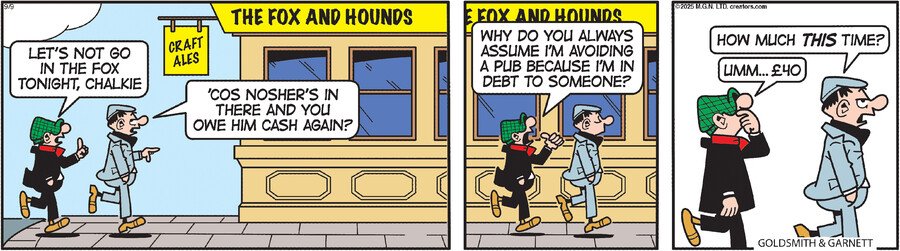
#10
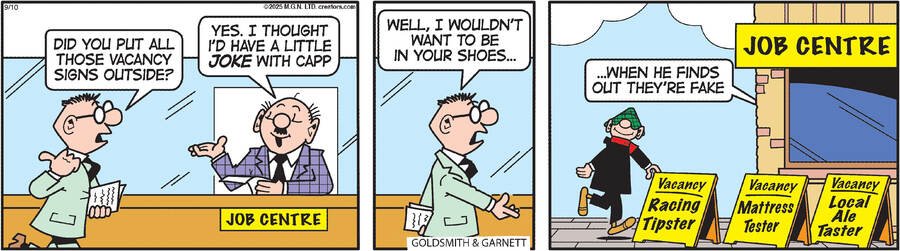
The Birth of a Legend: A Working-Class Hero Arrives
When Andy Capp first appeared in the Daily Mirror on 5 August 1957, readers were introduced to a character unlike any other. Created by the brilliant cartoonist Reg Smythe, Andy was rough, ready, and instantly recognisable. Smythe, who grew up in Hartlepool in North East England, knew this world well. He came from a poor family and understood the struggles of working-class life. He once described himself as a “canvas shoes kid,” which meant he was just one step above being barefoot as a child .
The name “Andy Capp” itself is a clever pun. It is a play on the word “handicap,” said with a northern accent. This was a perfect description of Andy, who was often a handicap to himself and everyone around him. His beloved flat cap, always pulled down over his eyes, was more than just a fashion statement. It symbolised his attitude toward life: he kept his head down, ignored the world, and refused to see where he was going .
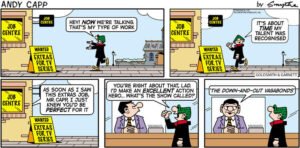
In those early days, the strip was a simple snapshot of daily life. Andy was a man who loved his three main hobbies: drinking at the pub with his mate Chalkie, betting on the horses, and playing football (which usually ended with him being sent off for fighting). He never worked, leaving his long-suffering wife Flo to go out cleaning houses to pay the bills. The humour was rough and tumble, and readers loved it. Despite his many faults, there was something loveable about Andy. He always called Flo “pet,” and woe betide anyone else who was rude to her. This was the secret to his charm: he was a rogue, but he was their rogue .
When the Smoke Cleared: The End of the Cigarette
If you look at an Andy Capp strip from the 1960s and one from the 1990s, the first thing you will notice is missing from his mouth. For the first 26 years of the strip, Andy was rarely seen without a cigarette. It was as much a part of his uniform as his cap. The smoke curling up past his eyes was a visual shorthand for his laid-back, devil-may-care attitude .
However, times change, and so did public opinion about smoking. By the early 1980s, the health risks were undeniable, and it was becoming less acceptable to show heroes (or anti-heroes) puffing away without a care. In 1983, something remarkable happened: Andy Capp quit smoking. But the reason was not what most people thought. Many assumed the newspaper forced the change due to “political correctness.” However, the truth was much more personal. Reg Smythe, the man who drew Andy, had to give up smoking for his own health. He famously said that there was no way Andy was going to carry on enjoying cigarettes when he, his creator, could not .
This was the first major sign that the character could evolve. It was a small change, but it was significant. It showed that the strip was not stuck in the past. It could move with the times while still keeping the core of the character intact. Andy without a cigarette felt strange at first, but readers adjusted. They realised that Andy was still the same lazy, beer-loving scoundrel underneath. He had just lost his favourite prop .
From Rolling Pins to Relationship Talks: A Marriage Transformed
The biggest and most talked-about change in the Capp household, however, had nothing to do with smoking and everything to do with the couple’s relationship. In the classic strips, Andy and Flo had a very physical relationship. If Andy came home drunk and had lost his wages on gambling, Flo would often greet him with a frying pan or a rolling pin. And in the early years, Andy was just as likely to give as good as he got. These fights were drawn in a silly, over-the-top way, but they were a staple of the humour .
As society became more aware of issues like domestic violence, these gags started to feel uncomfortable. What was once seen as slapstick began to look like something else entirely. The strip’s creators realised that for Andy Capp to survive and stay relevant, this had to change. They did not just stop the fighting; they replaced it with something much more modern: marriage counselling .
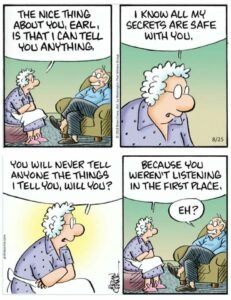
Now, instead of throwing punches, Andy and Flo throw words. They attend sessions with a counsellor, where they bicker and blame each other just as they always did, but in a safer environment. The humour now comes from their inability to communicate properly, even with professional help. In one famous cartoon, a panoramic shot of the counselling office shows several entire filing cabinets dedicated just to the Capps. It is a brilliant joke that keeps the spirit of the strip alive while updating the content. They still have the same problems—Andy still drinks too much, and Flo still nags—but they are dealing with them in a 21st-century way .
Keeping the Cap On: The Men Behind the Magic
None of this evolution would have been possible without the talented people who have kept Andy going. Reg Smythe drew the strip right up until his death in 1998. He passed away from lung cancer, a cruel irony given the habit he had drawn for so many years. But he was so dedicated to his work that he left a whole year’s worth of strips ready to publish, ensuring his readers would not miss a single day .
After his passing, the baton was passed to new hands. For many years, the team of writer Roger Kettle and artist Roger Mahoney kept the tradition alive. They respected Smythe’s original vision while gently guiding the characters into the modern era. Later, the writing team expanded to include Lawrence Goldsmith and Sean Garnett. The art style remains faithful to the original, ensuring that even though the characters talk about modern problems, they still look like the Andy and Flo everyone knows and loves .
The fact that Andy Capp is still running today, nearly 70 years after his debut, is a testament to the strength of the concept. It is syndicated in countries all over the world, proving that humour about the battle of the sexes and the struggles of daily life is universal. A bronze statue of Andy even stands in his hometown of Hartlepool, proving that the town embraces its fictional son, despite his many flaws .
Conclusion
The journey of Andy Capp from a smoking, fighting pub crawler to a marriage counselling attendee is a fascinating reflection of how much the world has changed. He started as a simple joke about a lazy man and his fed-up wife, a product of 1950s Britain. Over the decades, he has had to adapt to a world that no longer finds smoking glamorous or domestic violence funny. The genius of the strip is that it adapted without losing its soul. Andy is still the same stubborn, work-shy, beer-loving scallywag he always was. Flo is still the long-suffering wife who loves him despite it all. They just express their frustrations in the waiting room now, rather than in the street. As long as there are husbands who forget to take out the bins and wives who remind them, Andy Capp will have a place in our newspapers and our hearts.