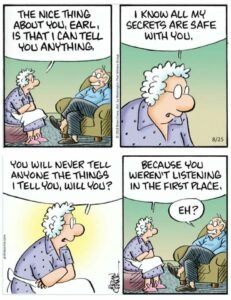
For over three decades, Brian Crane’s “Pickles Comics” has been a gentle giant in the world of newspaper funnies. Since its debut in 1990, the strip has invited us into the home of Earl and Opal Pickles, a retired couple navigating the joys and absurdities of growing older together . What makes “Pickles” so special isn’t wild adventures or high-stakes drama; it is the simple, honest, and hilarious portrayal of everyday life. Whether it’s a battle of wits with technology or a quiet moment of marital bliss (or bickering), the series has a way of holding a mirror up to our own lives and making us laugh at what we see.
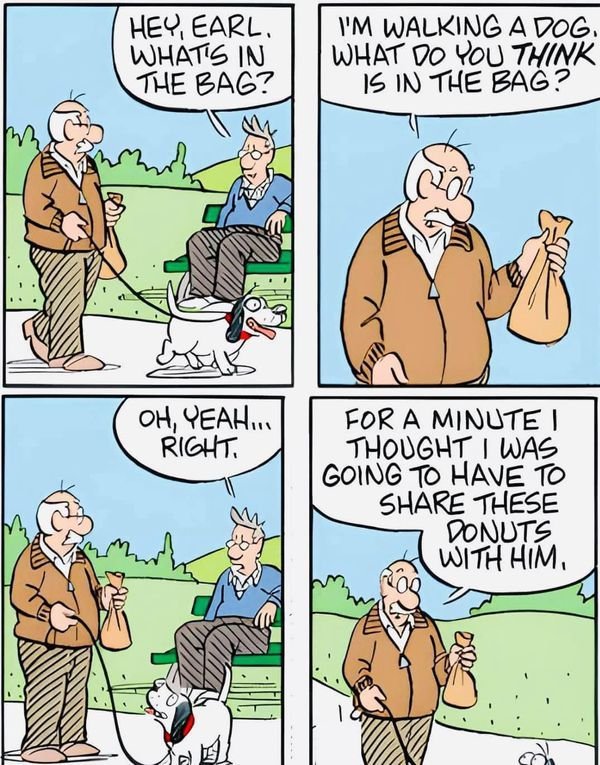
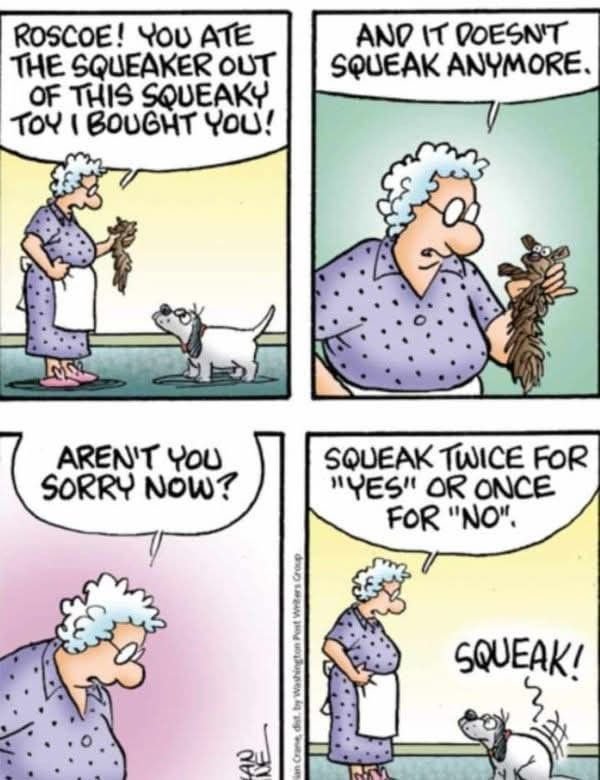
The cast feels like family because, in many ways, they are our family. There’s Earl, the bald, mustachioed curmudgeon with a heart of gold; Opal, his witty and practical wife who keeps him in line; their clever grandson Nelson; and the scene-stealing pets, Roscoe the dog and Muffin the cat . Together, they’ve created a legacy of laughs that appeals to everyone from young readers to those well into their golden years. In fact, the legendary Peanuts creator Charles Schulz once said, “I think it would be very comforting to have Earl and Opal for neighbors” . Today, we’re celebrating that comfort and comedy by counting down the funniest moments that truly defined this beloved series.
10+ Pickles Comics
Image credit : Pintrest.com
#1
#2
#3
#4

#5
#6
#7

#8
#9
#10
The Great Generational Divide: Tech Troubles and Timeless Wisdom
One of the richest sources of humor in “Pickles Comics” is the clash between the old and the new. Earl and Opal didn’t grow up with smartphones or social media, and watching them navigate the digital age provides endless laughs because it is so incredibly relatable—many of us have either experienced this or helped our own parents through it.
In one unforgettable strip, Grandma Opal is completely baffled by her phone. She can’t figure out the volume, let alone her password. Her grandson Nelson looks at her with the typical bewildered expression of a kid who was born with a tablet in his hands, silently wondering how she survives in the modern world. But Opal, quick as a whip, delivers the ultimate mic-drop moment: “I taught you how to use a spoon.” Boom. Checkmate . It’s a perfect reminder that wisdom and common sense will always trump technical know-how, and it defines the series’ ability to balance jokes about aging with a deep respect for the experience that comes with it.
Then there was the time the Wi-Fi went out. Instead of checking the router, Earl suggested Opal try a much more “logical” solution. With a straight face, he advised her to raise her phone in the air and spin around while chanting to get the signal back. When his “ritual” inevitably failed, he simply shrugged and said, “It doesn’t always work” . This moment captures Earl’s personality perfectly: he doesn’t understand the technology, but he’s more than willing to invent an absurd workaround rather than admit it. It’s this blend of stubbornness and creativity that makes him one of the most endearing characters in comics.
Marriage Moments: Love, Logic, and Leaf Blowers
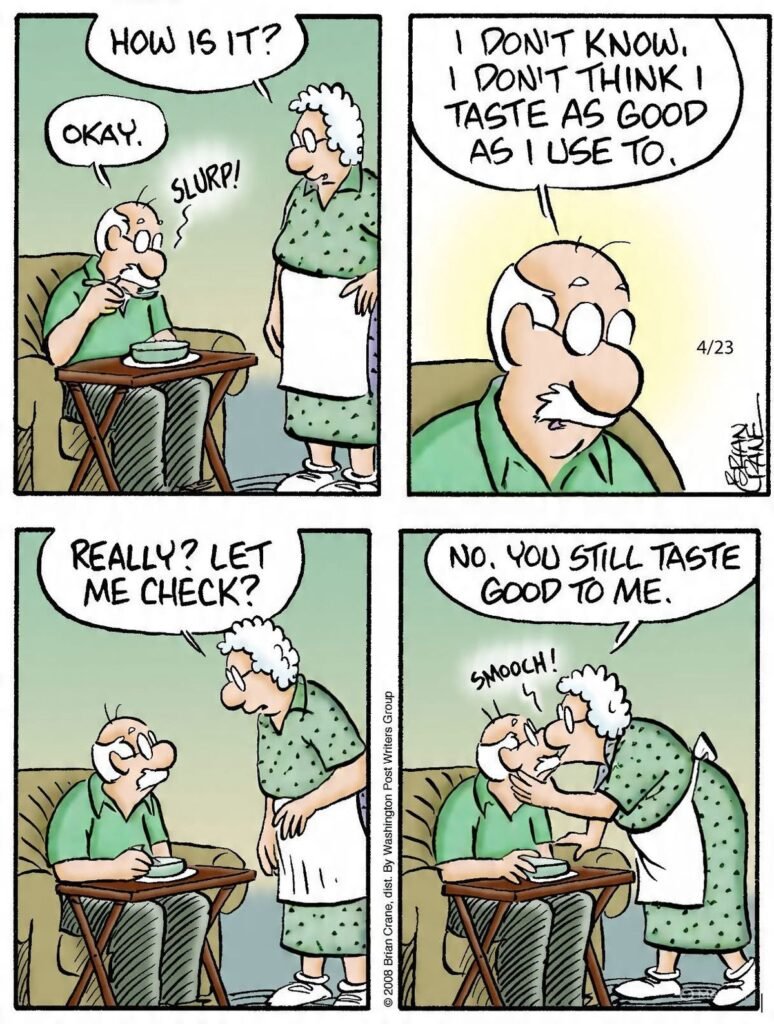
At its heart, “Pickles” is a love story between two very different people who have chosen to spend their lives together. Their marriage isn’t depicted as a fairy tale, but as a comfortable, sometimes messy, and often hilarious partnership. The comedy comes from their miscommunications, their loving jabs, and their unwavering support for one another, even when they don’t understand each other at all.
Take the time Earl decided to “turn over a new leaf” and help more with the housework. Opal looked skeptical but hopeful as he announced his plan to start contributing. Imagine her surprise (and ours) when he fired up a gas-powered leaf blower… in the living room . It’s absurd, it’s illogical, and it’s pure Earl. He heard “clean the house” and applied the most aggressive outdoor tool he could find to the problem. This moment is hilarious because it shows that his heart is in the right place, even if his methods are absolutely chaotic. It’s a classic example of how the strip finds humor in domestic life without ever being mean-spirited.
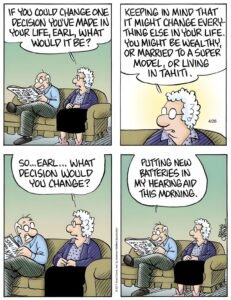
Of course, not every moment involves power tools. Sometimes the funniest insights into their marriage are the quietest. In one particularly touching strip, Earl asks Opal if she regrets marrying him. It’s a vulnerable question that could lead to a sappy moment, but “Pickles” handles it perfectly. Opal thinks for a moment and replies, “You drive me bonkers… but I like being driven bonkers” . This line perfectly summarizes a long and happy marriage. It acknowledges the frustration and the quirks that can drive a person crazy, while affirming that the love they share makes it all worthwhile. It’s funny because it’s true, and it’s heartwarming without being cheesy.
Nelson’s Innocent Observations and Grandparent Glow
Nelson, the young grandson, serves as the perfect foil to his grandparents. His youthful innocence and unfiltered observations often highlight the realities of aging in a way that is brutally honest but never cruel. Through his eyes, we see Earl and Opal not just as grandparents, but as fascinating creatures whose bodies and habits are a source of endless curiosity.
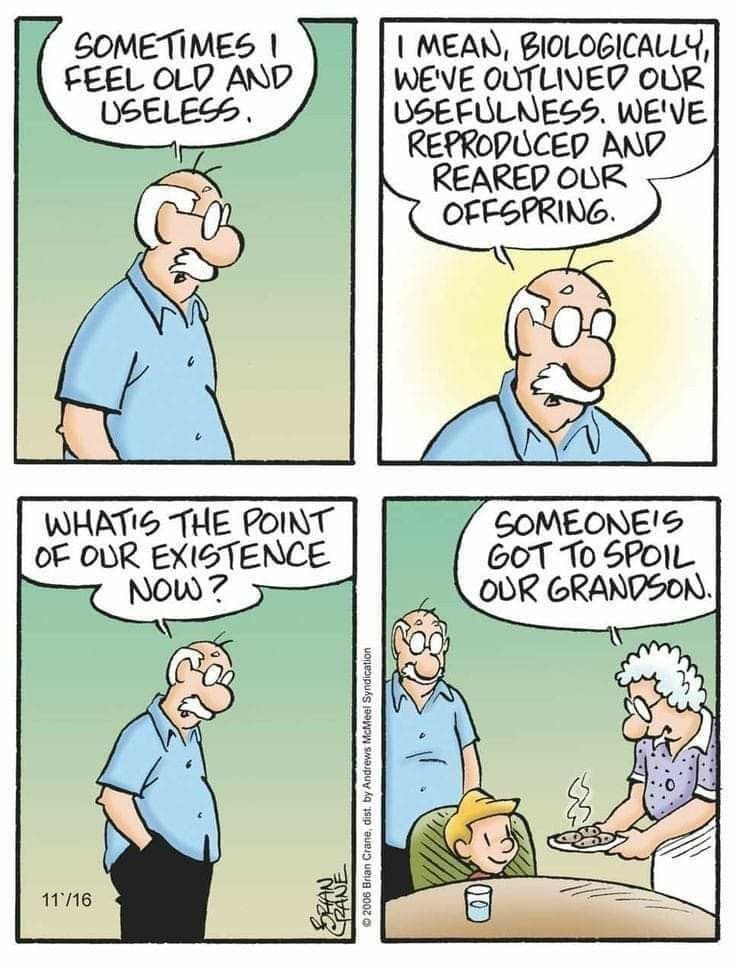
In a memorable strip, Nelson decides to draw a portrait of his grandfather. He proudly presents the artwork to Earl, but with a few “improvements.” He added hair to Earl’s bald head, made his nose smaller, and even trimmed down his tummy . It’s a sweet and funny moment where the kid tries to make his grandpa look better, inadvertently pointing out the very features that age him. Earl’s reaction is a mix of amusement and mild horror, perfectly capturing the grandparent experience of seeing yourself through the honest eyes of a child. It’s moments like these that show the deep bond between the generations.
Another classic example of Nelson’s curiosity came when he asked Grandpa if his ears were getting bigger. Before Earl can defend himself, Opal chimes in with a deadpan diagnosis: “They just look bigger because your head is shrinking” . The logic is flawless and hilarious. These interactions define the series’ warmth. Nelson isn’t making fun of his grandparents; he’s just noticing the world around him, and the world around him happens to include ears that seem to be growing. The gentle, loving way Earl and Opal handle these comments shows the patience and humor that comes with being a grandparent, turning potentially sensitive topics into shared family jokes.
Pets Gone Wild: Roscoe, Muffin, and the Secret Lives of Animals
No look at “Pickles Comics” would be complete without giving a standing ovation to the non-human members of the family. Roscoe the dog and Muffin the cat are more than just pets; they are silent observers (and sometimes commentators, thanks to thought bubbles) who often have the funniest perspectives on the household chaos. They remind us that our furry friends are usually one step ahead of us, quietly judging or plotting their next move.
When Earl starts looking a bit scruffy, Opal doesn’t hold back. She barks at him, “You look like an old dog!” The insult lands perfectly. But the comic genius comes in the next panel, where we see Roscoe lounging nearby. His thought bubble reads: “She says that like it’s a bad thing” . It’s a brilliant, subtle joke that not only defends dogs everywhere but also highlights Roscoe’s loyalty to his human counterpart. This moment is a fan favorite because it uses the silent pet trope to deliver a punchline that is both witty and affectionate, reminding us that in the eyes of Roscoe, being an old dog is the highest compliment.
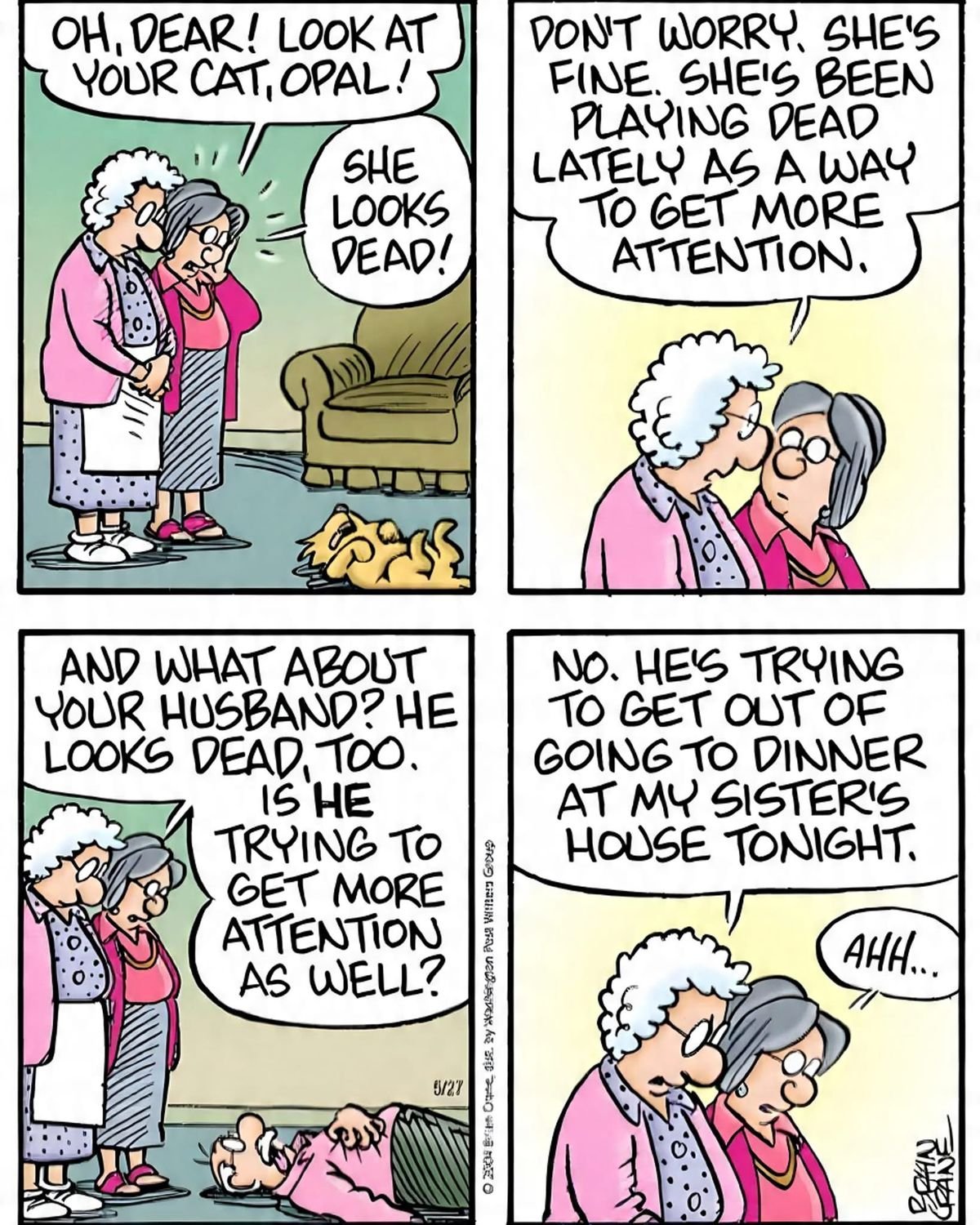
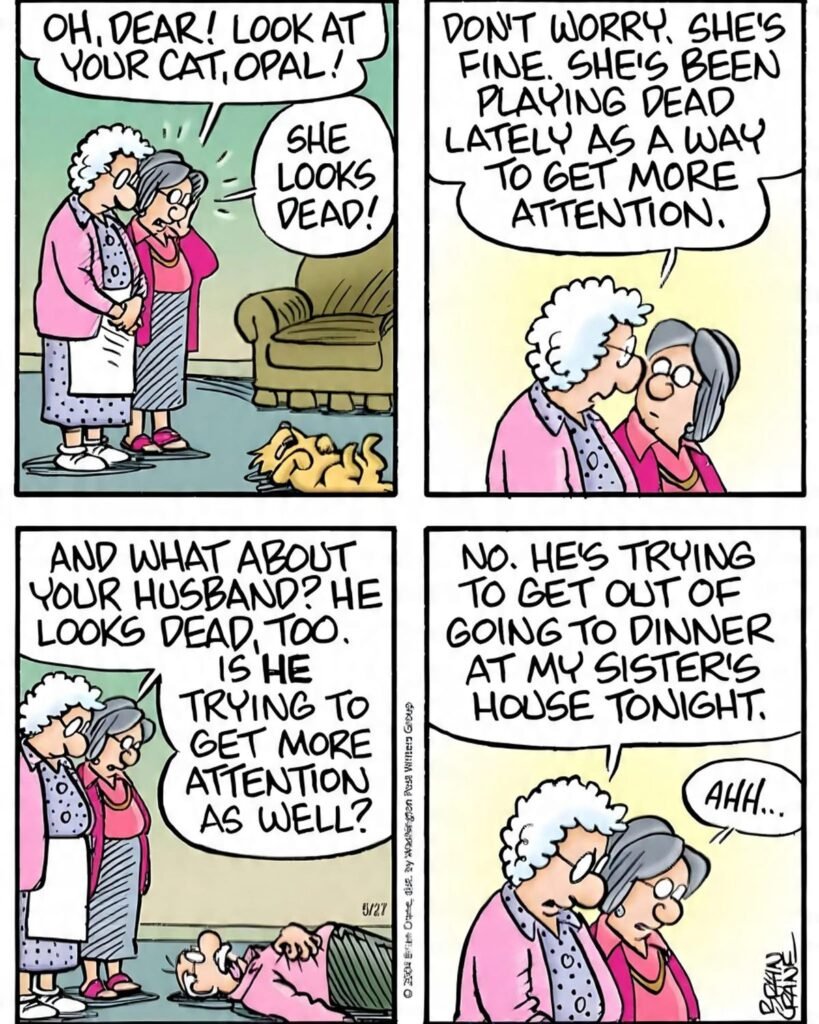
On the feline side of the aisle, Muffin is a master of manipulation. In one hilarious strip, Muffin flops onto the floor and rolls around, performing what can only be described as the “cutest act” of the day. Earl and Opal stop what they’re doing to admire her, completely falling for the display. The humor lies in the fact that Muffin knows exactly what she’s doing. She’s not being cute by accident; she’s performing because she knows it yields results . This comic perfectly captures the “pet-owner” dynamic, where the humans think they are in charge, but the cat knows she is the one running the show. It’s these little insights into animal behavior that make the strip so universally loved by pet owners.
Classic One-Liners and Everyday Absurdity
Finally, “Pickles” has a knack for taking mundane situations and twisting them into absurd philosophical debates. The characters often approach everyday problems with such unique logic that the solutions become funnier than the problems themselves. These strips are often the ones readers cut out and stick on the fridge because they are just so perfectly silly.
One of the best examples of this is Earl’s system for finding his lost glasses. In a moment of panic, he frantically searches the house, patting down tables and checking counters. Opal, watching this unfold, calmly points out that his glasses are already on his face. Crisis averted, right? Wrong. Earl looks at her and delivers the killer punchline: “Not those glasses. These are the ones I wear to find my other glasses” . The logic is so ridiculous and convoluted that it circles back to being brilliant. It implies that somewhere in the house, there is a second pair of glasses waiting to be found, and he needs a first pair to locate them. It’s a wonderful parody of the forgetfulness that can come with age, exaggerated to the point of pure comedy.
And who could forget the “Bugapoot” incident? When Earl hears that new words are being added to the dictionary, he is appalled by some of the choices. His solution? He decides to create his own language. He proudly announces his first entry to a bewildered Opal: “Bugapoot” . When she questions the validity of a made-up word, Earl insists it’s just as valid as any other, because all words are made up eventually. This stubborn, circular logic is classic Earl. It shows his independent spirit and his refusal to let the world tell him what is or isn’t real. It’s a small moment of rebellion against the norm, and it’s hilarious precisely because it’s so utterly pointless and yet so passionately defended.
Conclusion
For more than 30 years, Brian Crane’s “Pickles“ has been a shining example of what comic strips do best: they make us smile at the ordinary. By focusing on the “little things”—a lost pair of glasses, a misbehaving cat, a misunderstanding with a grandchild—Crane has built a world that feels like home. These top 10 funniest moments are just a small sample of the humor and heart that Earl, Opal, Nelson, and the pets have brought to millions of readers since 1990 .
Whether it’s Earl’s bizarre logic, Opal’s sharp wit, or Roscoe’s silent judgments, “Pickles” reminds us that aging is just another adventure, filled with laughter, love, and the occasional leaf blower in the living room. If you ever need a break from the chaos of the news or just want a gentle reminder of what’s good in the world, a visit with the Pickles family is the perfect cure. Their humor is timeless, and their love for each other is the punchline that never gets old.