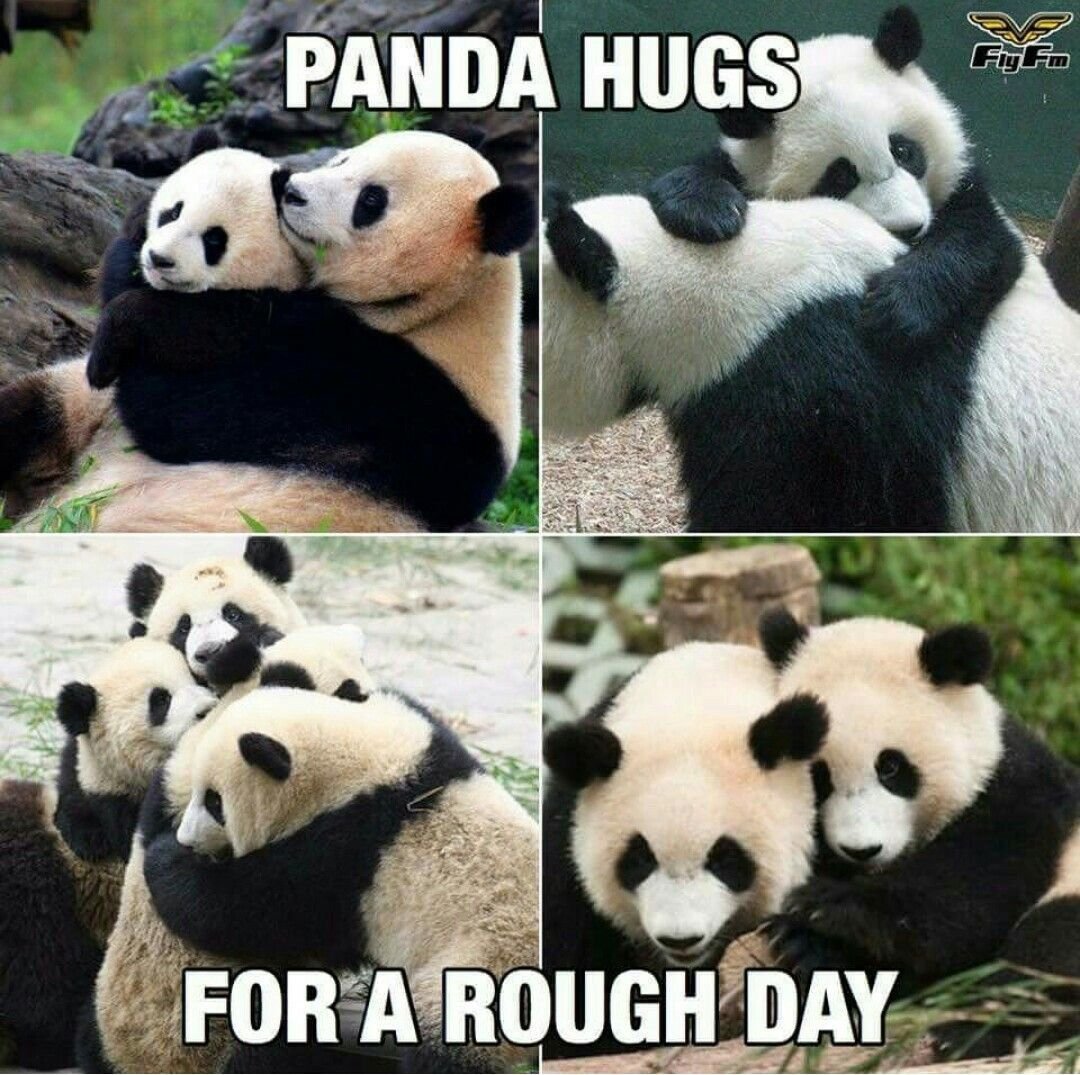
Have you noticed how your social media feed is suddenly full of fluffy, black-and-white bears? It seems like every other day, there is a new video of a panda cub throwing a tantrum or a meme about a “sad panda” going viral. From clumsy falls to playful fights, these creatures have taken over the internet, and it feels like there is no escape—not that we want one! The world is completely obsessed with panda funnies, and for good reason.
But what is it about these specific animals that captures our hearts so easily? Why do we stop scrolling to watch a panda sneeze or share a joke about a panda acting like a human? The magic isn’t just in the animal itself, but in how it makes us feel. In a world that can often be stressful and serious, pandas offer a simple, pure form of joy. They remind us not to take life too seriously and to find humor in the little things .
This obsession isn’t just a passing trend; it’s a cultural phenomenon. Whether it’s a video of a panda falling off a scale or a cartoon about their laid-back lifestyle, these funnies bring people together. They give us a common language of laughter and cuteness that crosses borders. So, let’s dive into the magical world of panda humor and figure out why we just can’t get enough of these adorable goofballs.
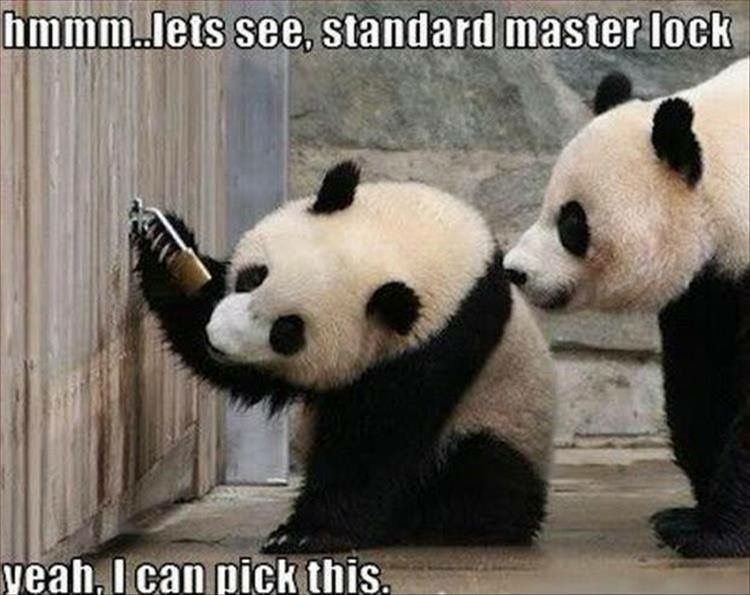
10+ Panda funnies
Image credit: Pintrest.com
#1

#2
#3

#4
#5
#6

#7

#8
#9
#10
The Irresistible Appeal of Clumsiness and Chaos
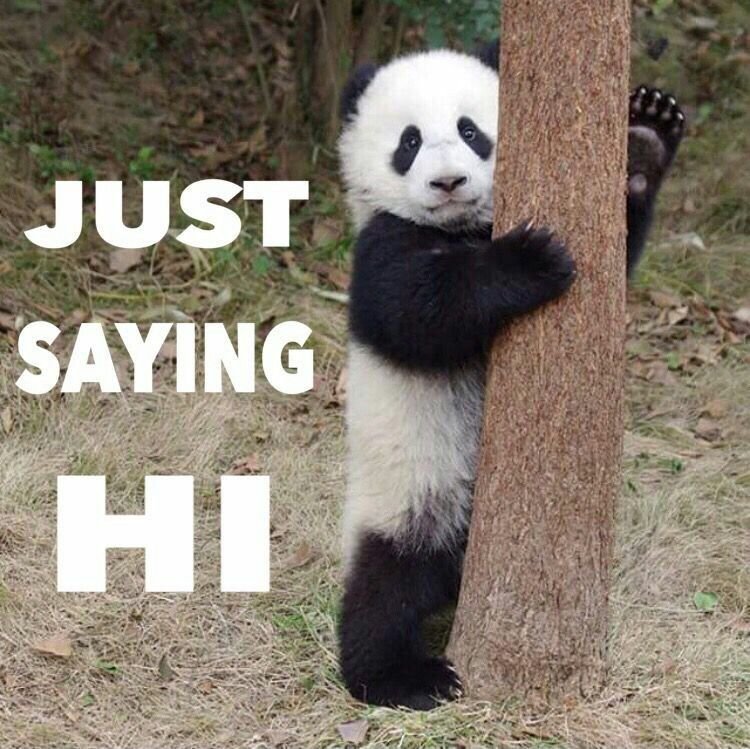
One of the biggest reasons pandas dominate our online world is their incredible talent for being clumsy. Unlike other wild animals that seem graceful or intimidating, pandas are wonderfully awkward. Watching a panda try to climb a slippery slope or tumble off a platform is pure comedy gold. This isn’t a trained act; it’s just their nature. Their bodies are round and fluffy, which means when they move, it often results in a wobbly, uncoordinated shuffle that is hilarious to watch .
Just think about the viral videos we’ve all seen. There is the classic clip of a panda cub being weighed by a zookeeper, only to have the scale tip over, sending the cub rolling away in surprise. These moments of unexpected chaos are pure entertainment. They remind us of watching toddlers learn to walk—full of determination but lacking the balance to pull it off smoothly. This relatability is key. We see a part of ourselves (or our children) in their struggles, which makes us laugh and root for them at the same time .
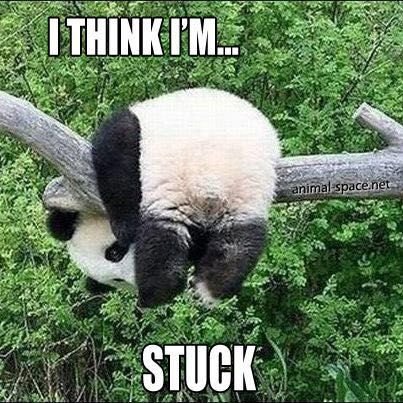
Furthermore, this clumsiness often leads to hilarious interactions with their environment. They get sticks stuck in their fur, they fall out of trees while sleeping, and they wrestle with each other in ways that look more like a fluffy pillow fight than a serious animal encounter. This content is “meme-ready” because it captures genuine, unscripted moments of silliness . It’s not just funny; it’s authentic. In a digital world full of staged content, seeing a panda genuinely lose its balance and look confused about it is refreshingly real and endlessly shareable.
When Pandas Become Our Spirit Animals: Relatable Content
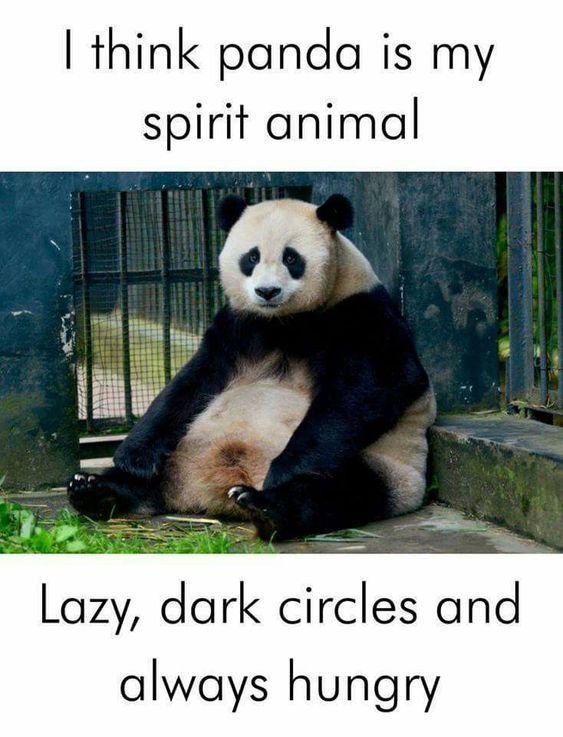
Beyond the physical comedy, pandas have become icons for a very specific reason: they are deeply relatable. In the fast-paced, high-pressure world we live in, the lifestyle of a panda looks pretty appealing. They spend most of their day eating bamboo and sleeping. Who hasn’t dreamed of ditching their responsibilities to just lounge around and snack? This has led to a surge in memes where pandas represent our mood—lazy, hungry, or just over it .
The internet has fully embraced the panda as the ultimate “spirit animal.” When a video went viral of a panda cub throwing a massive tantrum to avoid bath time, the comments section exploded with people saying, “That’s me on a Monday morning” . Another user joked, “Imagine being this cute and still refusing hygiene – iconic behaviour!” . We project our own feelings onto these animals. Their resistance to bath time mirrors our own reluctance to do chores, and their endless eating reflects our love for comfort food.
This connection is strengthened by the way we talk about pandas. Did you know that a group of pandas is officially called an “embarrassment”? . This bizarre and funny collective noun fits them perfectly. It adds another layer of humor to their identity. When we share a meme about being part of an “embarrassment of pandas,” we are laughing at ourselves and our own social awkwardness. It’s a form of self-deprecating humor that feels safe and cozy because it’s wrapped in the image of a cute, non-judgmental bear. They validate our feelings of laziness or awkwardness, making us feel seen and understood.
The “Sad Panda” and the Evolution of Panda Memes
Panda humor isn’t just about their physical comedy; it has evolved into a powerful tool for storytelling. A perfect example of this is the recent viral marketing phenomenon of the “Sad Panda.” Flipkart, an e-commerce platform, launched a campaign featuring a man who turns into a panda because he feels ignored by his partner, who is glued to her phone . This “Sad Panda” character was spotted in public places, looking dejected, and the internet immediately fell in love with him.
This campaign worked because it tapped into a very real, modern emotion: the feeling of being left out because of technology. The panda became a symbol for anyone who has ever felt invisible or disconnected. Before the actual advertisement even launched, the Sad Panda was already a star, appearing in memes and sparking conversations online . This shows how the image of the panda is flexible enough to carry complex emotional weight. It’s not just for laughs; it can also represent sadness, loneliness, and the desire for connection.
Then there are the more abstract memes, like the “Nobody vs. Drunk Pandas.” In these memes, the format pits an ordinary scenario against the unpredictable, wobbly movements of pandas, with captions expressing confusion like, “Why is it moving???” . This type of humor relies on the randomness of panda behavior. It highlights how their actions often defy logic, which is a perfect metaphor for dealing with confusing situations in life. This evolution from simple funny videos to complex meme formats proves that pandas are a versatile and lasting source of inspiration for internet culture.
More Than Just Jokes: The Gentle Giant Effect
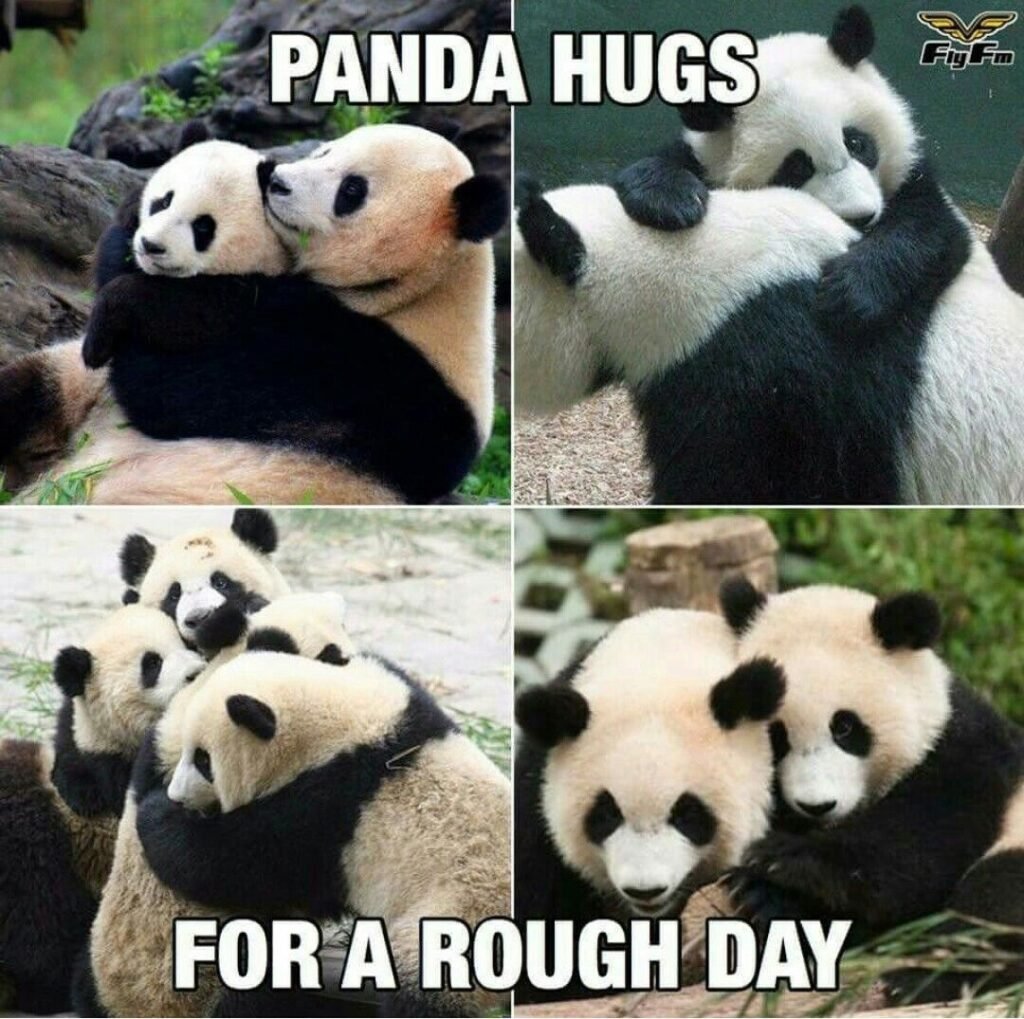
While we love laughing at them, there is a deeper layer to our obsession. Pandas embody a sense of gentle innocence that is rare in the animal kingdom. Their faces, with their black eye patches and snub noses, are naturally built to trigger a nurturing response in humans. When a panda cub grabs onto a zookeeper’s leg to avoid a bath, it’s not just funny; it’s heart-meltingly cute . This combination of humor and tenderness is powerful. We want to protect them, even as we laugh at their antics .
This protective instinct is tied to their real-world status. Pandas are a symbol of conservation efforts worldwide. They are considered a national treasure in China and have been the face of the World Wildlife Fund for decades. So, when we watch a funny panda video, there is often a subtle reminder that these are precious, endangered creatures . The joy they bring us translates into a greater public interest in their survival. Viral videos help raise awareness and build a community of enthusiasts who support conservation .
The internet’s reaction to these videos often highlights this blend of humor and care. Comments range from “My heart just exploded!” to “They might be endangered, but their drama queen energy is thriving” . We are able to hold two thoughts at once: they are hilarious goofballs, and they are magnificent animals worth protecting. This duality is what makes panda content so enduring. It feeds our need for a quick laugh while also touching our hearts, making us feel good about sharing and engaging with it.
Conclusion
The magic behind our obsession with panda funnies is a simple yet powerful mix of humor, relatability, and innocence. These fluffy bears have mastered the art of making us smile without even trying. Whether they are falling over, refusing to take a bath, or starring in a clever marketing campaign as a “Sad Panda,” they connect with us on a human level . They remind us to embrace our clumsy moments and to find joy in the simple things, like eating and sleeping.
In a way, our love for panda memes says more about us than it does about the pandas. We crave content that is wholesome, authentic, and uplifting. We want to laugh without being mean, and we want to feel connected to something pure. Pandas deliver all of that in a fluffy, black-and-white package. So, the next time you find yourself watching a panda video for the tenth time, don’t fight it. Embrace the obsession. After all, in a world that can sometimes feel a little too serious, we could all use a daily dose of panda-powered happiness.