If you flip through the comics section of a newspaper or scroll through funny posts online, you have likely come across a simple yet charming strip about an older couple, their rambunctious dog, and their clever little grandson. That strip is called Pickles, and it has been warming hearts and tickling funny bones since 1990 . Created by cartoonist Brian Crane, Pickles offers a window into the lives of Earl and Opal Pickles, a retired couple navigating the ups and downs of everyday life .
For a beginner, jumping into a comic strip that has been running for over three decades might seem a little daunting. But do not worry—Pickles is one of the most welcoming and easy-to-understand comics out there. The humor is gentle, the characters feel like people you know, and the situations are universal. Whether you are a young adult or someone enjoying retirement yourself, this guide will help you understand why this comic is so beloved and how you can start reading it today.
Unlike superhero comics with complex universes or political cartoons that require knowledge of current events, Pickles is about the simple stuff. It is about losing your glasses when they are on your head, trying to fold a fitted sheet, or the funny things a family pet might be thinking . By the end of this guide, you will not only know who is who in the Pickles household, but you will also know how to find the strip and truly appreciate the genius behind Brian Crane’s work.
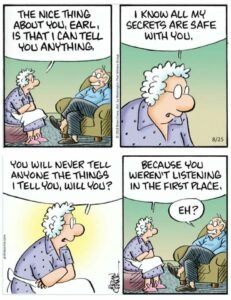
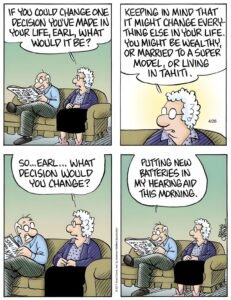
10+ Pickles comics
Image credit : Pintrest.com
#1

#2

#3

#4

#5

#6

#7

#8

#9

#10

Getting to Know the Pickles Family
The heart and soul of any good comic strip are its characters, and Pickles has a cast that feels like a warm hug. The strip focuses on Earl and Opal Pickles, a married couple enjoying (and sometimes enduring) their golden years . Understanding these two is the first step to falling in love with the strip. Earl is a retired philosophy professor. In everyday language, that means he is a bit of a grump, a couch potato, and a professional complainer—but in a way that makes you laugh . He is bald, sports a bushy white mustache, and usually has a pair of glasses perched on his nose. He loves to nap, hates when things change, and has a very funny way of looking at the world.
On the other side of the living room, you will usually find Opal. She is the glue that holds the family together. Described as a devoted wife and grandmother, Opal is often seen wearing her signature purple polka-dotted dresses and white sneakers . She is patient with Earl but not afraid to give him a hard time when he deserves it. Opal is active, involved with her friends (including the “Red Hat Ladies”), and is a devoted servant to her cat, Muffin. The dynamic between Earl and Opal is what makes the strip so special. They bicker, they love, they misunderstand each other, and they ultimately support one another, offering a realistic and funny look at a long-term marriage.
But the family doesn’t stop there. The cast expands to include their six-year-old grandson, Nelson, who often stays with them . Nelson is the eyes of the younger generation, often confused by his grandparents’ old-fashioned ways, just as they are amazed by his tech-savvy mindset . Then there are the pets, who often have their own opinions about what is going on. Roscoe the dog and Muffin the cat are drawn with “thought balloons,” meaning we can see exactly what they think about the humans they live with—and it is usually hilarious . These characters, inspired by Crane’s own in-laws and family, create a world that feels authentic and lived-in .
Understanding the Simple Language of Comics
Before you dive deep into the world of Pickles, it helps to understand the basic “rules” of how a comic strip works. You might read comics every day without even thinking about the artwork, but there is a visual language that cartoonists like Brian Crane use to tell their stories. Luckily, Pickles follows a very traditional and easy-to-follow format. Generally, you read the panels from left to right, just like you are reading a sentence . Each panel is a moment in time, and the story moves forward as your eyes move across the page.
Pay attention to the word balloons. A standard balloon with a tail pointing toward a character’s mouth means they are speaking out loud . However, if you see a balloon with a dotted or dashed line, that means the character is whispering . This is used often when the pets are “talking” to each other without the humans hearing, or when a character is trying to be sneaky. You will also notice that sometimes there are words above the characters’ heads in little cloud-like bubbles. Those are “thought balloons,” and they let us in on the private jokes running through the minds of Roscoe or Muffin .
Another tool you will see in Pickles is the narrative box, usually placed in the top left corner of a panel . Sometimes it will say things like “Later that day…” or “The next morning.” This helps the story jump in time without needing a bunch of extra pictures to explain what happened in between. Brian Crane keeps the backgrounds clean and the characters front and center. This simplicity is a gift; it means you can focus entirely on the character’s facial expressions and the dialogue. You don’t need to be an art expert to get the joke—the pictures and words work together perfectly to deliver a smile.
Where to Find and Read Pickles Every Day
Now that you know the characters and the lingo, you are probably wondering where you can actually read Pickles. Traditionally, this strip appears in the comic section of newspapers. In fact, at its peak, it was syndicated in nearly 1,000 newspapers worldwide . If you still get a physical paper delivered, or if you enjoy flipping through the print edition at a coffee shop, head straight to the comics page. Pickles is a staple, and reading it in ink on newsprint is a classic experience. As one devoted reader put it, the best way to start the day is to read the comics first because “the news kinda sucks these days” .
However, if you are like most people in the digital age, you probably want to read it online. The best place to start is the official Pickles website or the GoComics page. GoComics is a popular platform that hosts hundreds of comic strips, and Pickles is updated there daily. You can browse the latest strips for free, and you can even pay a small fee to access the extensive archives if you want to read old favorites. Many fans also follow Brian Crane on social media, where new strips are often posted, giving you a quick laugh as you scroll through your feed .
If you really fall in love with Earl and Opal, you might want to check out the collection books. There are several “best of” books available, with funny titles like How Come I Always Get Blamed for the Things I Do? and Oh Sure! Blame it on the Dog! . These books are perfect for the coffee table or as a gift for the grandparents in your life. They collect the best strips from specific years, allowing you to enjoy the humor without needing an internet connection. Whether you choose print or digital, making Pickles a part of your daily routine is a small act of self-care that brings a little bit of joy into your day.
Why Pickles Is More Than Just a Funny Comic
At first glance, Pickles is just a funny comic about old people. But if you stick with it, you will realize it is so much more. The strip has a remarkable ability to capture deep truths about life, aging, and family, all while making you chuckle. Brian Crane has a gift for finding the humor in the struggles of getting older, like dealing with new technology or forgetting why you walked into a room. For example, a recent strip showed Opal struggling with her phone volume and password, only to remind Nelson that she taught him how to use a spoon—a perfect comeback that highlights how different generations have different kinds of intelligence .
The comic also tackles the special relationship between grandparents and grandchildren. Nelson often sees the world in a way that reminds Earl of his own youth. There is a beautiful give-and-take there. In one strip, Earl tries to teach Nelson about the joys of being mature and avoiding puddles, only to gleefully stomp in one himself, proving that growing older doesn’t mean you have to grow up completely . These moments are sweet without being overly sentimental. They feel real.
Even the pets in Pickles offer a unique perspective on humanity. Through Roscoe and Muffin, Crane comments on our strange human habits. When Earl looks shaggy, Opal tells him he looks like an old dog. The dog’s thought bubble pops up with, “She says that like it’s a bad thing,” reminding us that we often take ourselves way too seriously . This warmth and wisdom are why the comic has lasted so long. Even the legendary Peanuts creator Charles Schulz once said, “I think it would be very comforting to have Earl and Opal for neighbors” . That is the highest praise a comic about ordinary people can get.
Conclusion
Starting your journey with Pickles is like making new friends who just happen to live in your newspaper or on your phone screen. It is a comic strip that rewards loyal readers with consistent quality and gentle humor. You do not need to know the history of every character to enjoy today’s strip. You can just jump in, look at the pictures, read the words, and smile. The world can be a complicated and stressful place, but Pickles offers a daily moment of peace and laughter.
So, the next time you have a few minutes to spare, look up Earl and Opal. Watch as Earl tries to blame the dog for something he did, or smile as Opal tries to explain the modern world to her husband. Pay attention to the wisecracking pets and the innocent observations of little Nelson. Before you know it, you will be hooked on the charming chaos of the Pickles household. It is a delightful habit to start, and with decades of strips to explore, you have a lot of smiles ahead of you. Happy reading