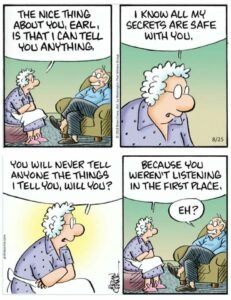
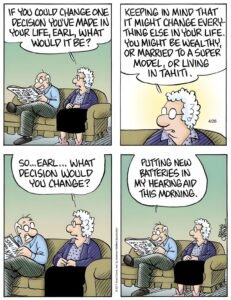
If you’ve ever flipped through the comics section of a newspaper, chances are you’ve stumbled upon the charming world of Pickles. Created by the brilliant Brian Crane, this comic strip has been a favorite for families since it first appeared in 1990. Unlike comics that rely on wild adventures or talking animals, Pickles finds its humor in the simple, everyday life of an elderly couple named Earl and Opal Pickles. They are retired, they are quirky, and they are navigating the ups and downs of growing old together with a mix of sarcasm, love, and plenty of misunderstandings .
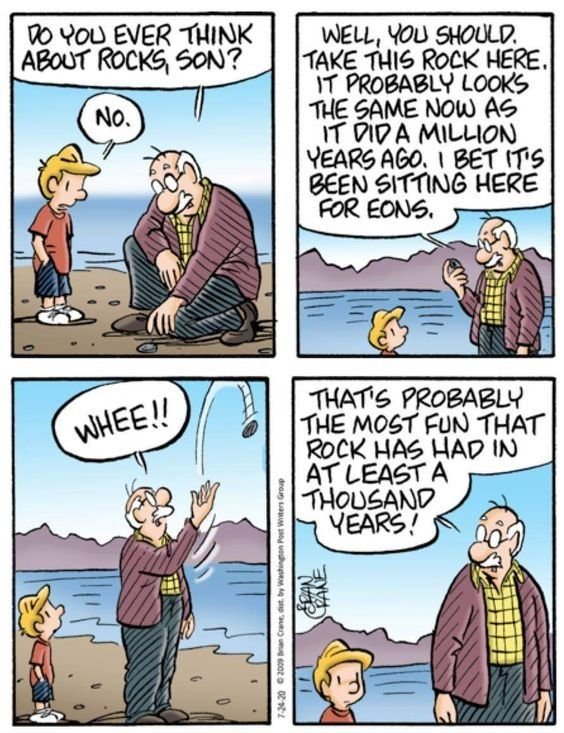
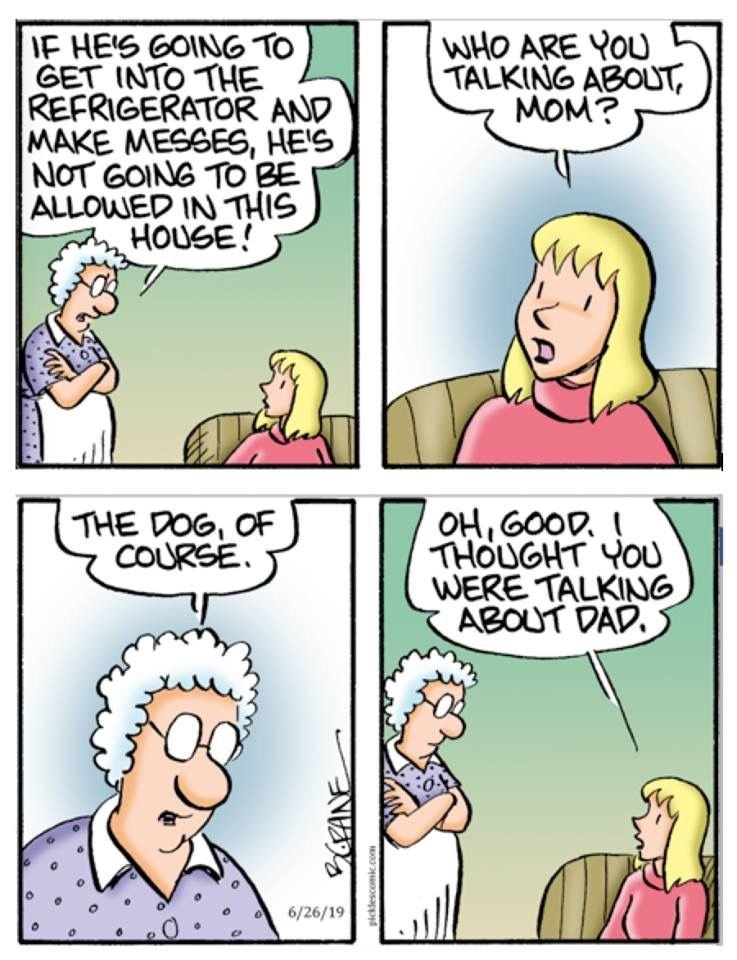
What makes Pickles so special is that it speaks to everyone. Whether you’re a teenager rolling your eyes at your grandparents or a senior who has definitely had a “senior moment,” you’ll find something to laugh about. Brian Crane’s work has earned him top honors, including the prestigious Reuben Award from the National Cartoonists Society, proving that his gentle humor resonates with a huge audience . The cast, which includes their smart grandson Nelson, the family dog Roscoe, and a cast of other relatives, makes the strip feel like a visit to a friendly, slightly chaotic home. In this guide, we’ll walk through some of the most hilarious Pickles comics ever published that perfectly capture family life, the struggles of technology, and the sweet chaos of marriage.
10+ Pickles Comics
Image Credit: Pintrest.com
#1
#2
#3
#4
#5
#6
#7
#8
#9
#10
The Golden Years: Why Earl and Opal Are Comedy Gold
At the heart of Pickles is the relationship between Earl and Opal. After decades of marriage, they know each other inside and out—which means they also know exactly how to drive each other crazy. This dynamic is a goldmine for comedy. One of the funniest examples of their relationship is when Earl tries to be helpful. In one classic strip, Opal doesn’t feel good, and Earl tries to comfort her. Instead of a soft word, he offers a rapid-fire critique of her appearance, mentioning her wrinkles and weight. When he realizes he has put his foot in his mouth, he sighs and volunteers to “show himself to the dog house” . It’s a perfect mix of cluelessness and self-awareness that defines long-term marriage.
Then there are the moments of passive-aggressive love that only couples of 50 years can pull off. In one strip, Opal sarcastically complains about doing all the work around the house. Earl, completely missing the sarcasm, just nods along, which frustrates her even more . Another great example is the great sheet debate: when Earl doesn’t notice that Opal washed the sheets, she jokes that next time she’ll only wash her half . These small, everyday arguments are hilarious because they are so true to life. Crane has a gift for taking a mundane moment—like folding laundry or forgetting something—and turning it into a laugh-out-loud situation that makes readers nod and say, “Yep, that’s us.”
Of course, we can’t forget the sweet moments that balance out the bickering. In one tender strip, a grandchild finds Earl’s old fanny pack and makes fun of it. Opal joins in, calling it “full of junk,” until she looks inside and finds a photo of herself that Earl has been carrying around. Her tone softens immediately, and so does the reader’s . It’s a reminder that underneath all the teasing, there is a deep, enduring love. That balance is what makes these characters so lovable and the humor so effective.
Generational Gags: When Grandpa Meets Modern Tech
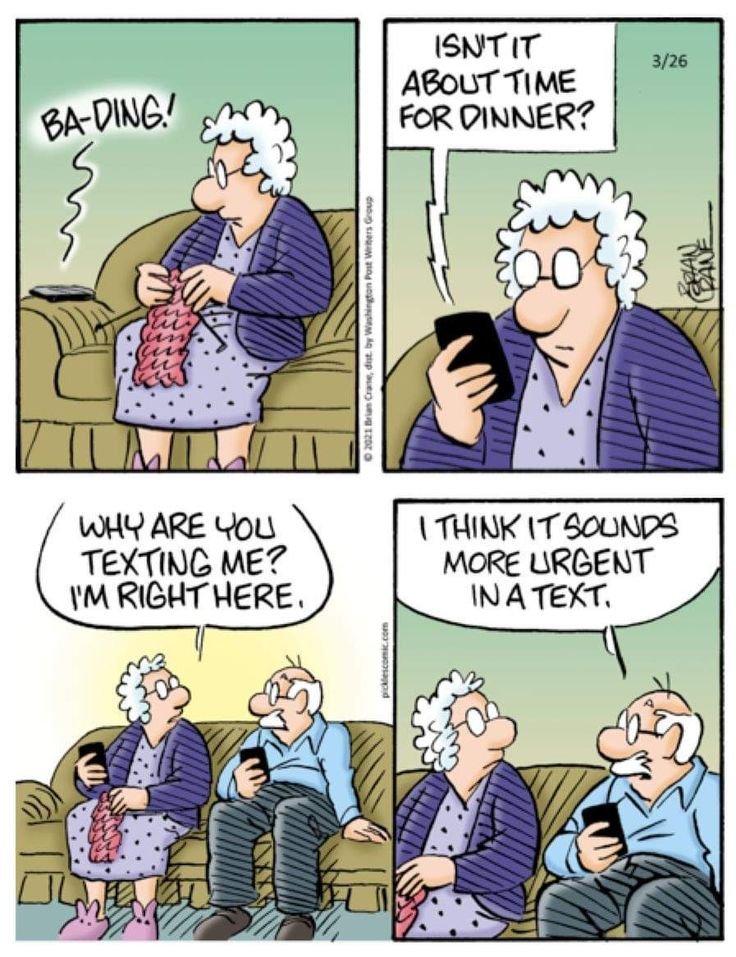
One of the most relatable themes in Pickles is the struggle with modern technology. Brian Crane perfectly captures the confusion and frustration that many seniors feel when faced with smartphones, remotes, and Wi-Fi. These strips are not mean-spirited; instead, they highlight the hilarious gap between generations. Take, for example, the comic where Opal can’t figure out her phone’s volume or her password. Her grandson Nelson is baffled, wondering how she survives in the modern world. Without missing a beat, Opal fires back, “I taught you how to use a spoon.” It’s a mic-drop moment that reminds the younger generation that “smart” comes in many forms .
Then there’s the chaos of the TV remote. In one strip, Earl and Opal find themselves juggling multiple remotes for the DVD player, the cable box, and the streaming service. They get so confused trying to turn the TV on that they finally give up and decide to read a book instead . It’s a simple gag, but anyone who has ever tried to explain to a parent how to switch inputs will find it hysterical. Another great tech moment comes when Earl tries to help Opal with a Wi-Fi issue. He suggests she raise her phone in the air, spin around, and chant to get a signal. When it doesn’t work, he shrugs and says, “It doesn’t always work” . His made-up solution to a modern problem is absurdly funny and shows how mysterious technology can seem.
Even everyday appliances aren’t safe from the Pickles treatment. In one memorable strip, Earl mistakes the microwave for the television. He sits down, stares at the microwave door, and confidently guesses that the show on is Wheel of Fortune. The reality? He’s just watching a frozen burrito spin around . This kind of overconfidence mixed with failing eyesight is classic Earl. It’s silly, it’s relatable, and it proves that you don’t need high-tech jokes to get a big laugh—you just need to look at life through the eyes of the Pickles family.
Life’s Little Struggles and Pet Antics
Beyond marriage and technology, Pickles excels at mocking the everyday struggles we all face. You know that feeling when you lose your glasses, only to find them on your face? Earl takes that to a whole new level. In a fan-favorite strip, he frantically searches for his glasses while Opal points out they are already on his nose. Earl’s response? “Not those glasses.” It turns out he wears one pair just to help him find the other pair . It’s a ridiculous logic loop that anyone with memory issues—or anyone who is just a little disorganized—can appreciate.
Household chores are another frequent source of laughs. Earl once vowed to help more around the house. Opal looked skeptical, but Earl assured her he was going to “turn over a new leaf.” The next panel shows him firing up a leaf blower—in the living room . The literal interpretation of the phrase is pure comedic genius. And who could forget the struggle with fitted sheets? Earl once compared trying to fold a fitted sheet to waking up trapped in a “body bag.” It’s an exaggeration, but if you’ve ever fought with a wad of elastic fabric, you know he’s not entirely wrong .
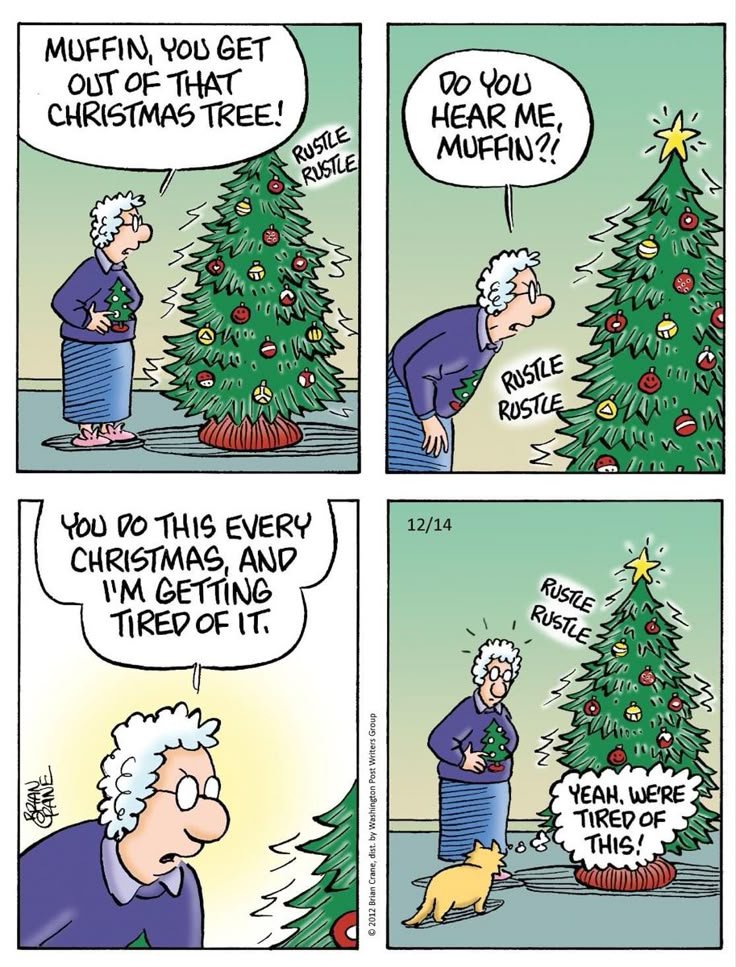
Of course, the family pets add their own layer of humor. Roscoe the dog and Muffin the cat often have thoughts that perfectly comment on the human drama. In one strip, Opal tells Earl he looks “like an old dog.” The next panel shows Roscoe thinking, “She says that like it’s a bad thing” . The cat, Muffin, is also a master of manipulation. In one comic, Muffin does an adorable flop-and-roll. Earl and Opal gush over how cute she is, while Muffin internally acknowledges that she knows exactly what she’s doing to get treats and attention . These pets are the silent observers who make the family chaos even funnier.
Nelson’s Wisdom: Kids Say the Darndest Things
Grandson Nelson is the perfect foil to Earl and Opal. He brings the curiosity and blunt honesty of a child, which often leads to hilarious revelations. In one strip, Nelson draws a picture of his grandpa. Wanting to be kind, he adds hair to Earl’s bald head and shrinks his nose. It’s a sweet gesture, but the honesty of it—acknowledging what Grandpa should look like—is what makes it funny . Kids haven’t learned to filter yet, and that pure honesty is comedy gold.
Nelson also asks the big questions. In one memorable comic, he asks Grandpa about tattoos. Instead of a serious answer, Earl claims he has “secret tattoos” on his eyelids that look like open eyes. He says it helps him fake being awake during long sermons in church . The absurdity of the lie, delivered with a straight face, is what makes it work. It’s a perfect example of a grandparent teasing a grandkid with a tall tale. Nelson also gets Earl to admit some truths. When Nelson asks what else Grandpa drives besides a car, Earl replies, “Your grandma crazy” . The deadpan delivery of that line captures the playful dynamic of the whole family.
Even when Nelson isn’t telling jokes, his presence highlights the circle of life and the passing of wisdom—sometimes funny, sometimes profound. When Nelson despairs over his curly hair, wishing it were normal, Opal comforts him by explaining that there’s no such thing as normal. She tells him he is unique, just like everyone else . It’s a heartwarming moment wrapped in a gentle punchline. Whether he’s pranking the Tooth Fairy by swapping a tooth for a bean or laughing as a squirrel chases his grandpa , Nelson reminds us to find the joy and humor in every stage of life.
Conclusion
Pickles is more than just a comic strip; it’s a gentle reminder to laugh at ourselves and cherish the people we share our lives with. Brian Crane has spent decades crafting characters who feel like family, with all the love, frustration, and humor that comes with it. From Earl’s creative laziness (like using a frisbee as a plate) to Opal’s quick wit and Nelson’s innocent mischief, there is a comic for every mood and every generation . These strips show that while our bodies may age and technology may confuse us, our need for connection and laughter never fades. Whether you’ve been reading Pickles for years or are just discovering it, diving into these comics is sure to brighten your day and maybe even make you appreciate the “golden years” a little more.