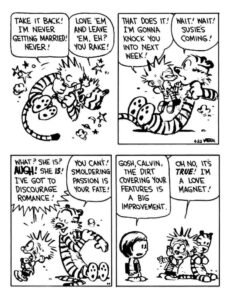
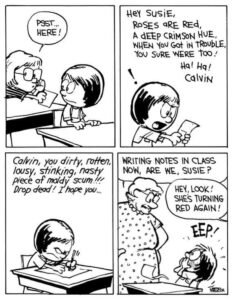
It’s hard to believe that it has been decades since we first met a rambunctious six-year-old and his wise, stuffed tiger. On November 18, 1985, the very first “Calvin and Hobbes” comic strip appeared in newspapers, and the world of funny pages was forever changed . For ten incredible years, creator Bill Watterson invited us into a world of snowy hills, cardboard time machines, and philosophical discussions about life’s biggest questions. Even today, long after the final strip ran on December 31, 1995, the adventures of this dynamic duo remain as beloved as ever . It feels like the perfect time to take a thoughtful look back at the genius of Bill Watterson and the timeless world he built.
What makes “Calvin and Hobbes” so special isn’t just the sharp jokes or the adorable drawings. It’s the way Watterson captured the pure essence of childhood imagination while balancing it with surprisingly deep thoughts about life, all without ever talking down to his readers. He created a space where a simple sled ride could become a journey to another dimension, and where a stuffed tiger could be a boy’s best friend, conscience, and wrestling partner all rolled into one. The strip ended at the height of its popularity because Watterson felt he had said everything he wanted to say, a decision that remains a powerful testament to his artistic integrity . So, let’s grab a warm mug of cocoa, settle in, and explore the genius that continues to make “Calvin and Hobbes” the greatest newspaper comic of all time.
10+ Calvin and Hobbes
Image credit: Pintrest.com
#1
#2
#3
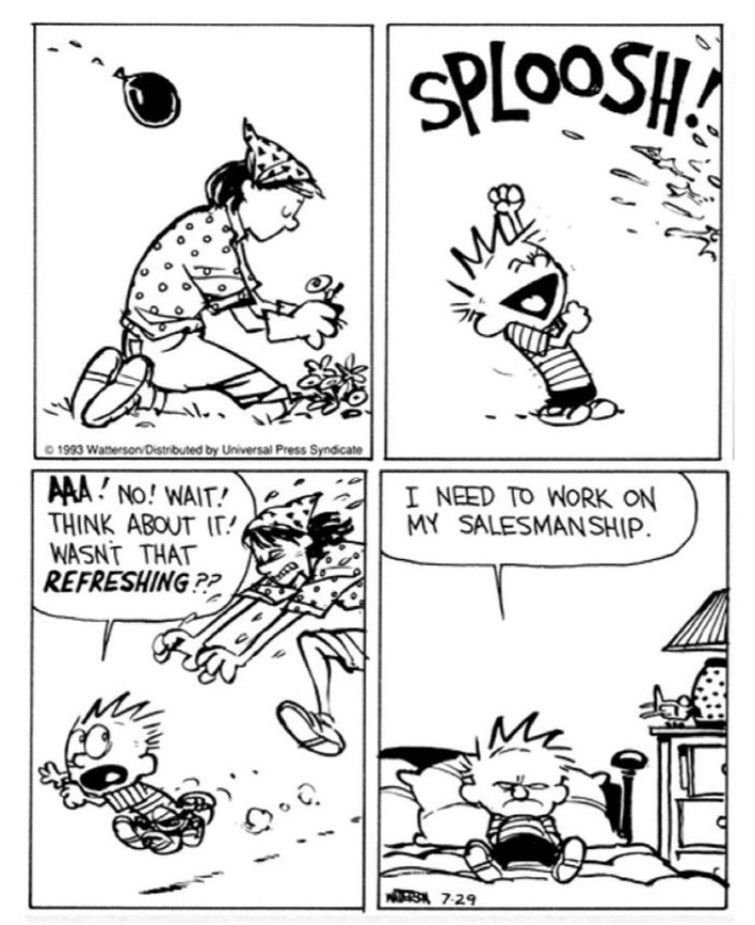
#4
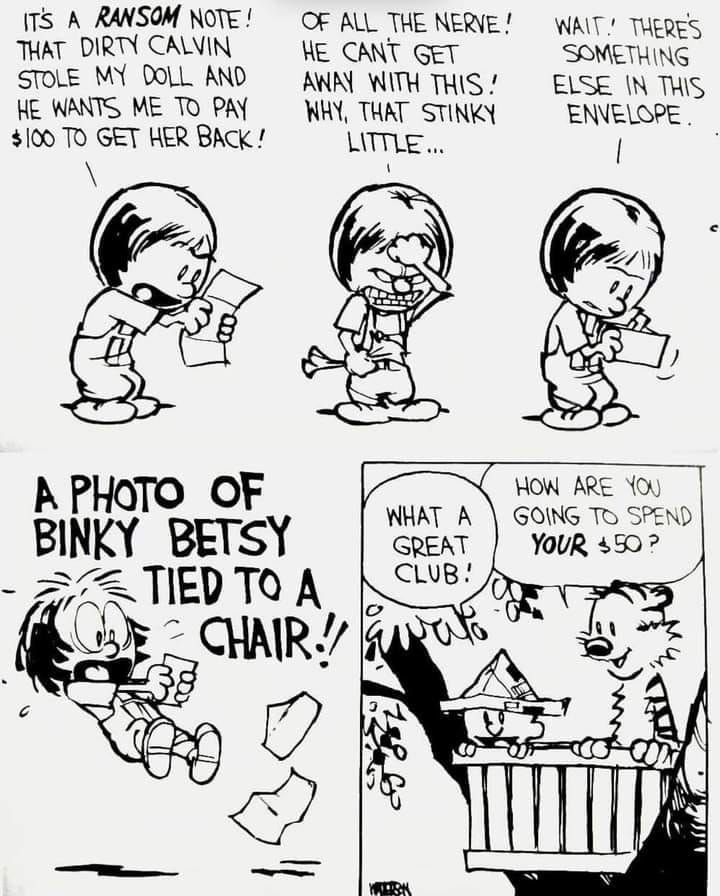
#5
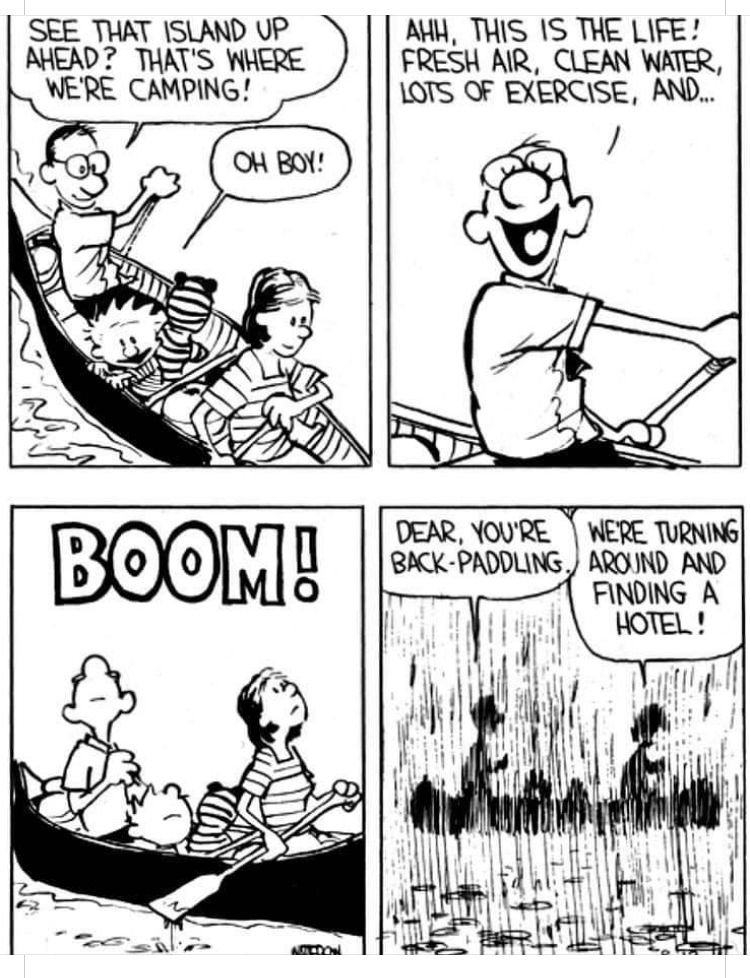
#6
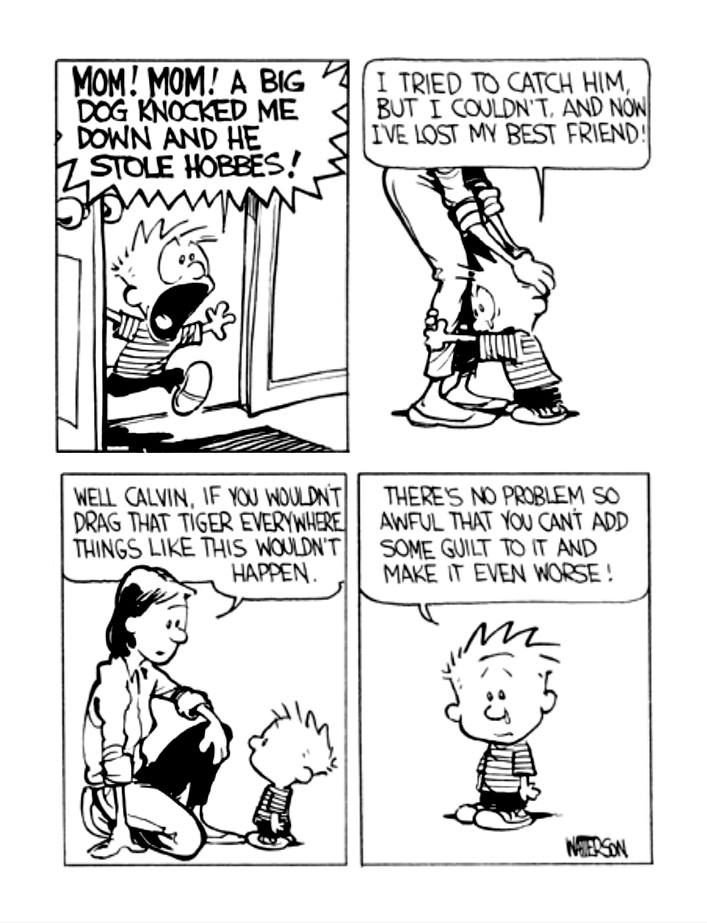
#7
#8
#9
#10
The Dynamic Duo: A Boy, His Tiger, and a World of Imagination
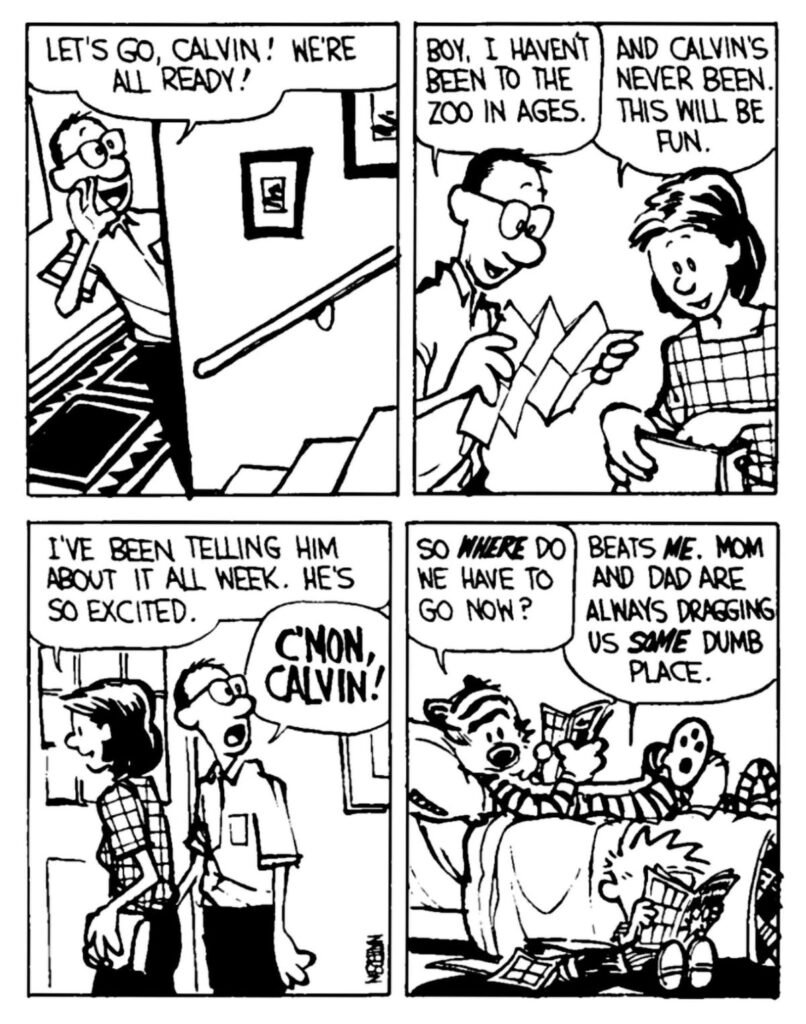
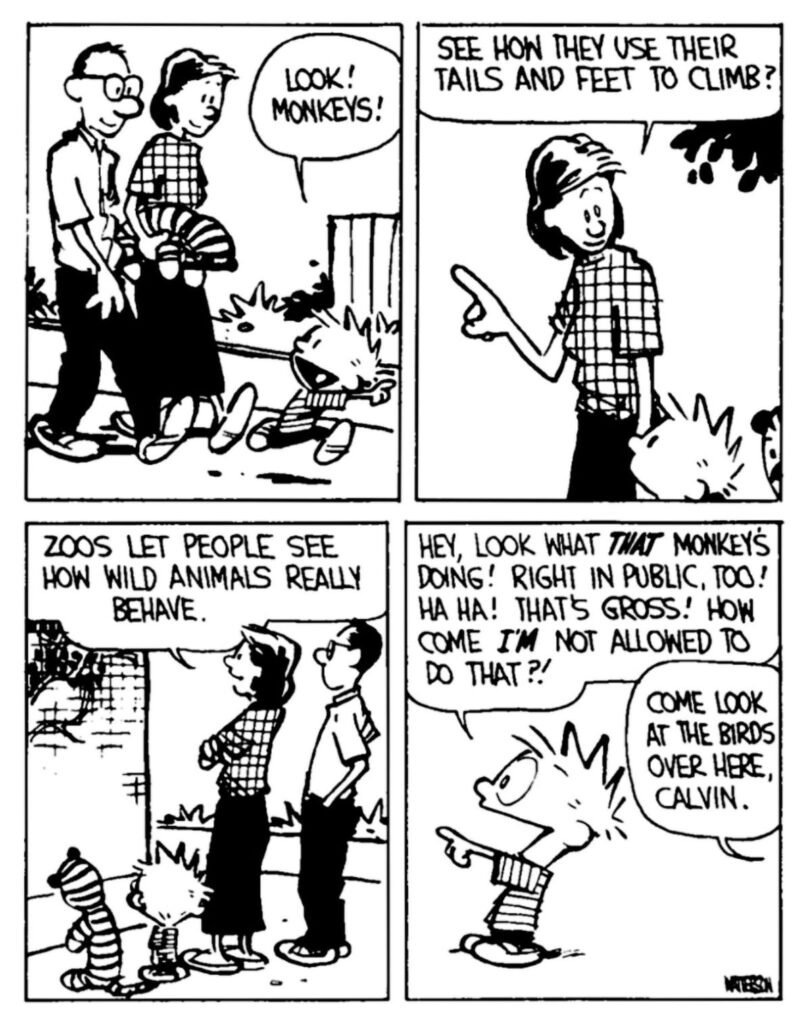
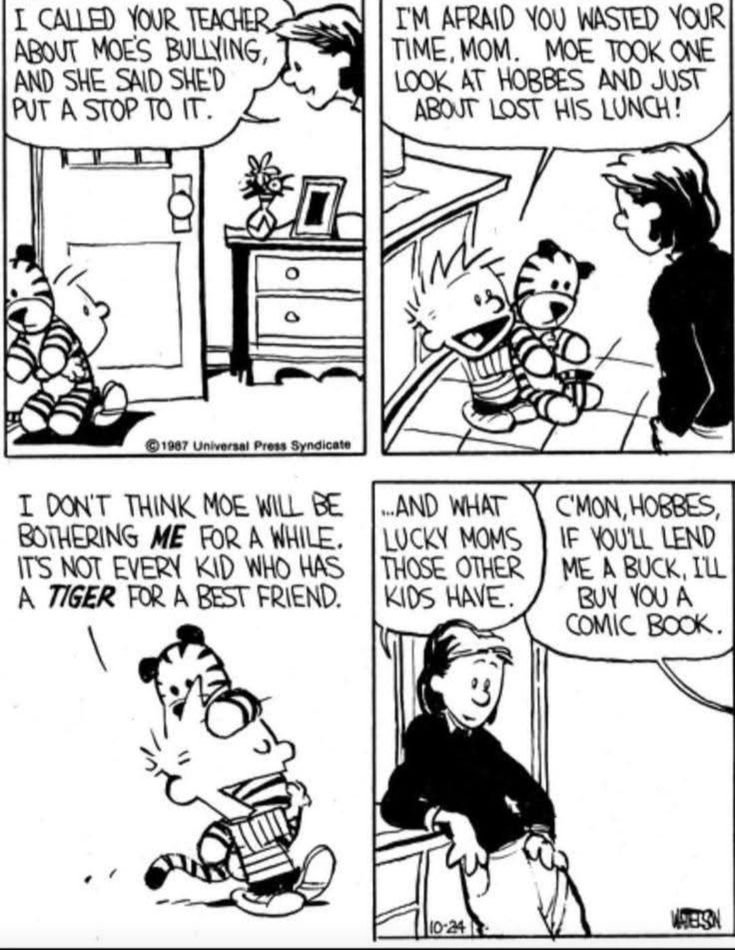
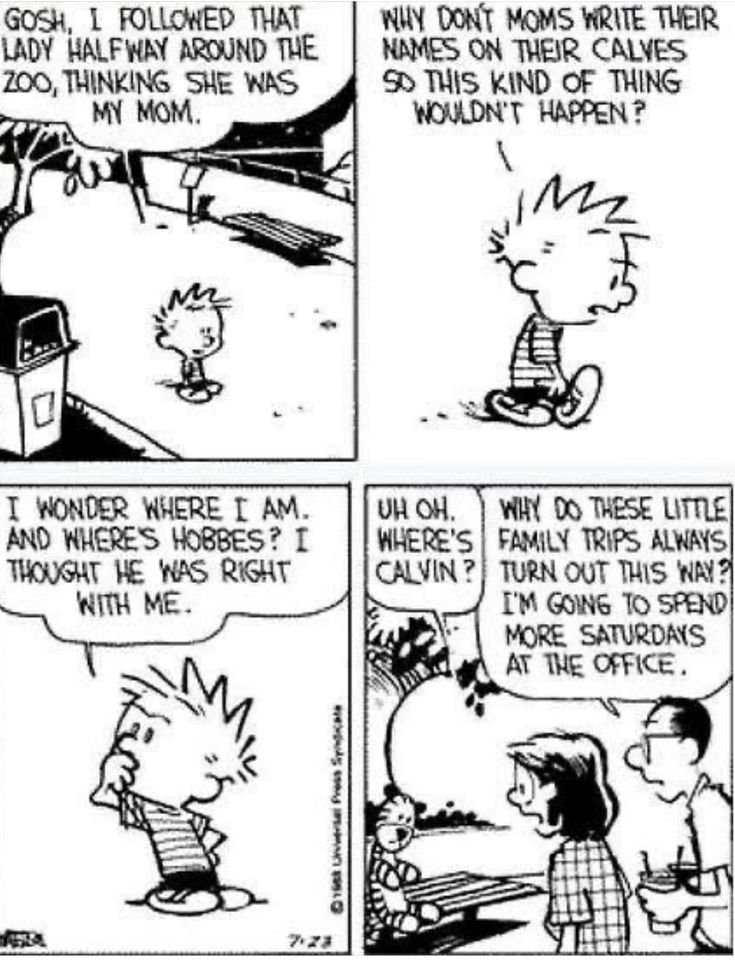
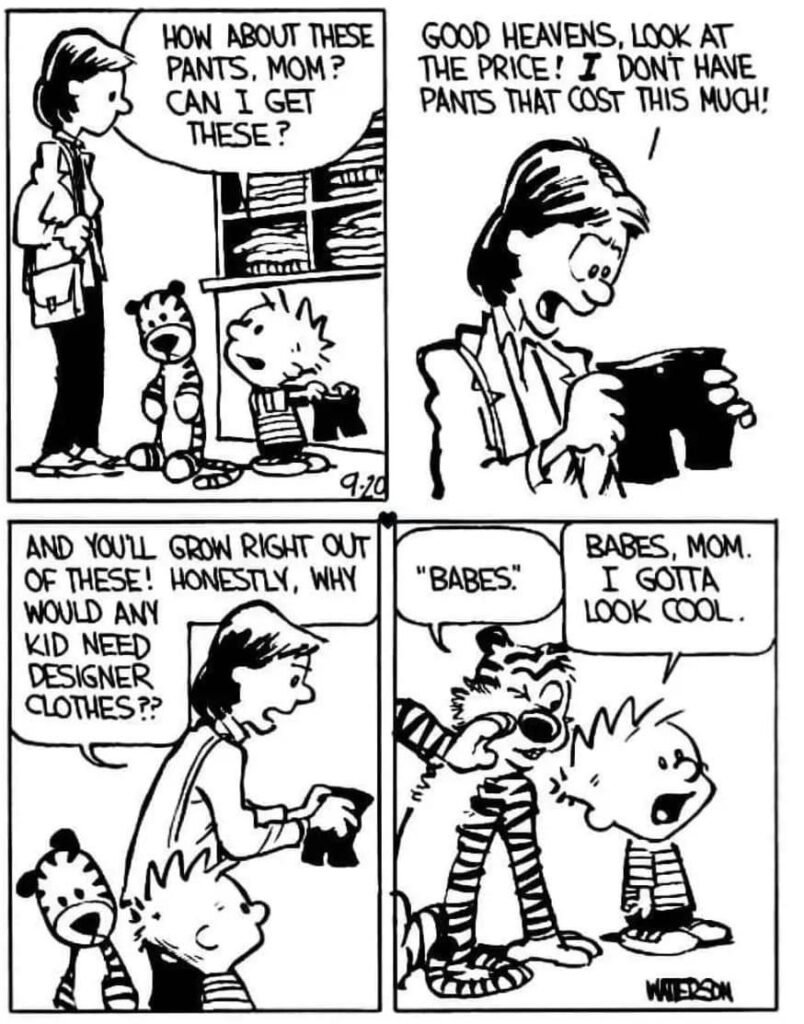
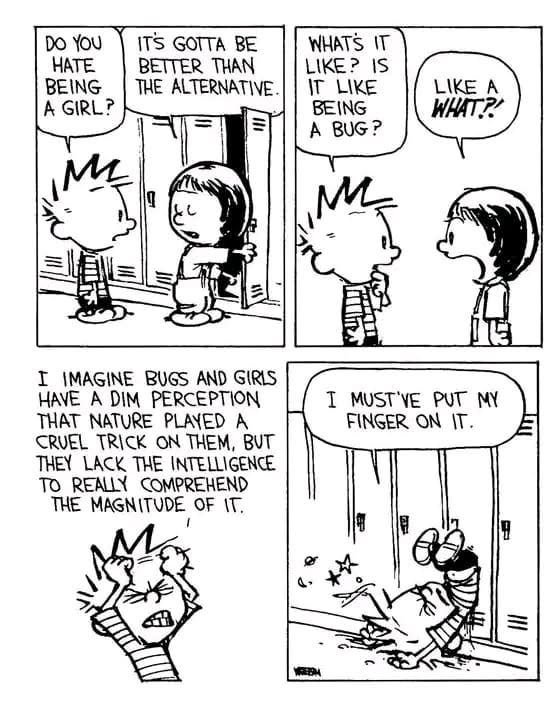
At its heart, “Calvin and Hobbes” is about a relationship. Calvin is your typical six-year-old boy—he’s impulsive, selfish, incredibly creative, and has a vocabulary that often surprises the adults around him. He despises school, loves being a dinosaur, and has a deep, personal war with the family babysitter. Hobbes, on the other hand, is the perfect foil. When it’s just the two of them, Hobbes is a witty, loyal, and surprisingly philosophical tiger who often acts as the voice of reason. But when another person enters the room, he transforms back into an ordinary, floppy stuffed animal .
This central ambiguity is a stroke of genius. Is Hobbes real or just a figment of Calvin’s lonely imagination? Watterson cleverly left this question open, letting the reader decide . Sometimes Hobbes catches fish or steals a cookie when no one is looking, and other times he’s just sitting on the bed. This magic trick allows the strip to work on two levels at once. It’s a realistic look at a kid playing by himself, but it’s also a beautiful fantasy about a friendship so strong that it brings a toy to life. Their bond is the emotional core of the strip, reminding us all of the imaginary friends we once had and the comfort those relationships brought.
More Than Just Funny Pages: Art, Philosophy, and Real Life
Look a little closer at those beautifully drawn panels, and you’ll find that “Calvin and Hobbes” was never just a “funny” comic. Bill Watterson used his platform to explore big ideas. He named his characters after a theologian (John Calvin) and a philosopher (Thomas Hobbes), a hint at the deeper themes he planned to explore . Through Calvin’s wild adventures as “Spaceman Spiff” or his intense snowman-building sessions, Watterson touched on topics like the meaning of life, the importance of environmentalism, and the struggle to find your own way in a world that often values conformity .
Watterson was also a fierce advocate for the comic strip as a true art form. He fought against the shrinking size of comics in newspapers and pushed for more space, especially for his beautiful Sunday color pages . These Sunday strips were often breathtaking works of art, with imaginative layouts and stunning watercolor landscapes that had never been seen in a daily comic before. He treated each strip with the care of a painter, ensuring that even the simple act of Calvin and Hobbes riding a wagon down a hill was drawn with dynamic movement and energy that made you feel the wind in your face .
Standing on Principle: The Fight to Keep Calvin Pure
Perhaps the most legendary part of Bill Watterson’s genius is what he chose not to do. At a time when characters like Snoopy and Garfield were plastered on every lunchbox, T-shirt, and greeting card imaginable, Watterson famously said no. He refused to license his characters for merchandise, turning down millions and millions of dollars in the process . Even a movie proposal from Steven Spielberg was rejected because Watterson feared it would compromise his vision and force him to finally answer the question: Is Hobbes real or not? .
This decision was unheard of, and it remains one of the most respected stands in the history of art. Watterson understood that once you turn a character into a commodity, they stop being characters and start being mascots. He famously said that his purpose in writing was to “say things,” not to “sell things” . By keeping Calvin and Hobbes off of keychains and mugs, he protected their integrity. The characters exist only in the world he created for them—the world of the comics page. This purity is a huge reason why the strip hasn’t become dated or lost its charm. It was never about the money; it was always about the story .
Why We Still Need Calvin and Hobbes Today
It’s been over thirty years since the last strip ran, and yet, “Calvin and Hobbes” is more popular than ever. New generations of readers discover the books on their parents’ shelves, and they fall in love just as hard as we did. University professors teach courses on it, and art museums host exhibitions celebrating Watterson’s work . Why does this simple comic about a boy and his tiger continue to resonate so deeply? Because it speaks to the child in all of us. In a world that is increasingly busy, digital, and stressful, Calvin’s insistence on living in his imagination is a refreshing escape.
The strip also offers a sense of comfort and stability. Calvin’s world is small: his house, his treehouse, the woods, and his wagon. It reminds us to slow down and appreciate the simple things. As one expert noted, the strip perfectly balances a critique of the outside world with an ending full of love and warmth . Even after Calvin has a terrible day at school or gets in trouble with his parents, he and Hobbes always have each other. The final strip, where they sled off into a fresh, snowy landscape to go exploring, isn’t really an ending. It’s an invitation for us to keep using our own imaginations . And that, perhaps, is the greatest genius of all.