For over three decades, newspaper readers have started their day with a gentle laugh and a warm feeling, thanks to a kind-hearted comic strip about a retired couple and their family. “Pickles,” created by Brian Crane, has found a special place in the hearts of millions. But what is it about this simple comic that has allowed it to run in nearly a thousand newspapers and gain fans from young children to great-grandparents? Its journey from a simple idea to a beloved favorite is a heartwarming story in itself .
The magic of “Pickles” lies in its ability to find humor in the ordinary. It doesn’t rely on slapstick or trendy jokes. Instead, it shines a light on the everyday moments that make up family life. Whether it’s Earl trying to figure out a new TV remote or Opal gently teasing him about his forgetfulness, the situations feel real. This honest look at life, with all its little frustrations and joys, is what makes the strip so easy to connect with. It reminds us that you don’t need big events to find laughter; it’s often hiding in your own living room .
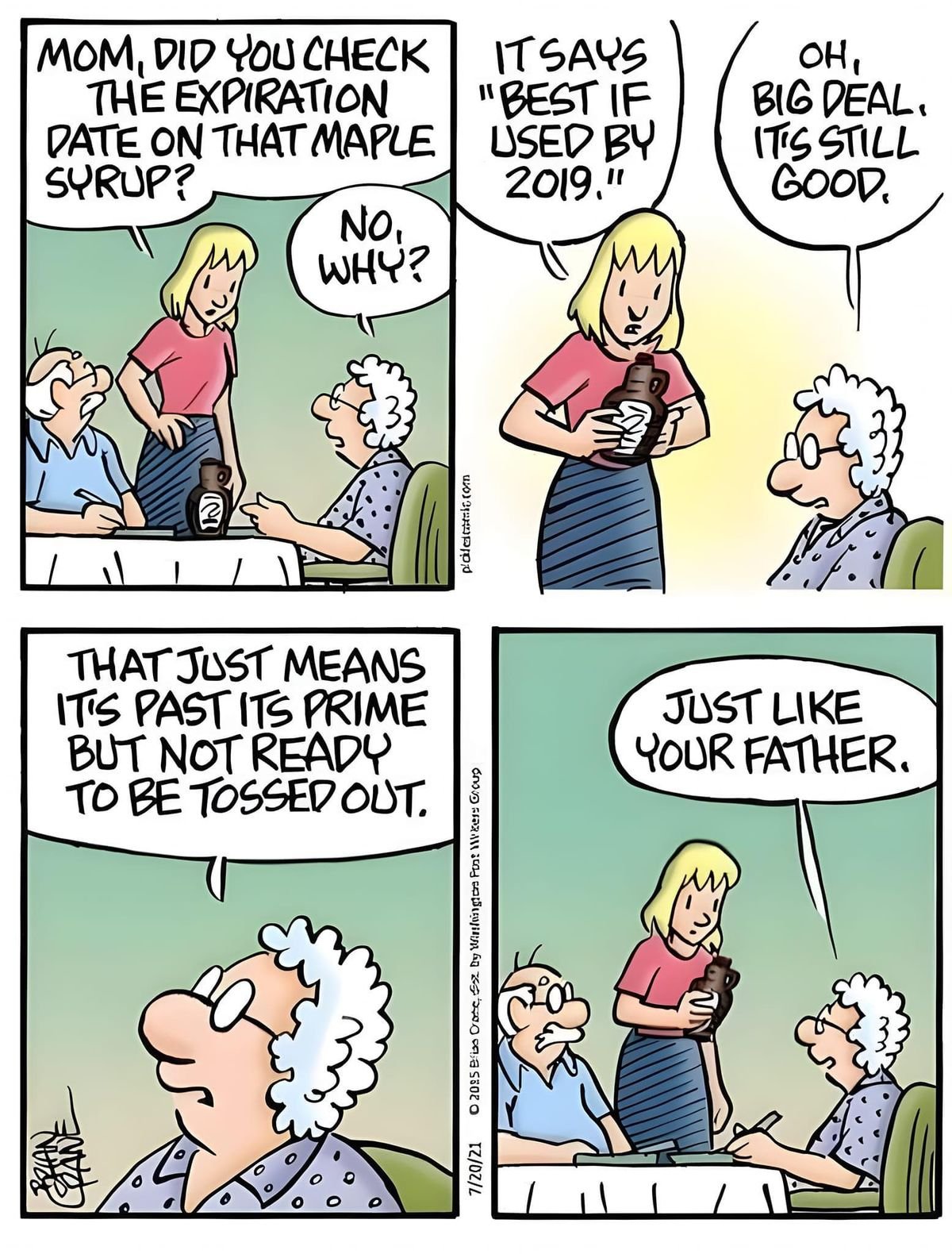
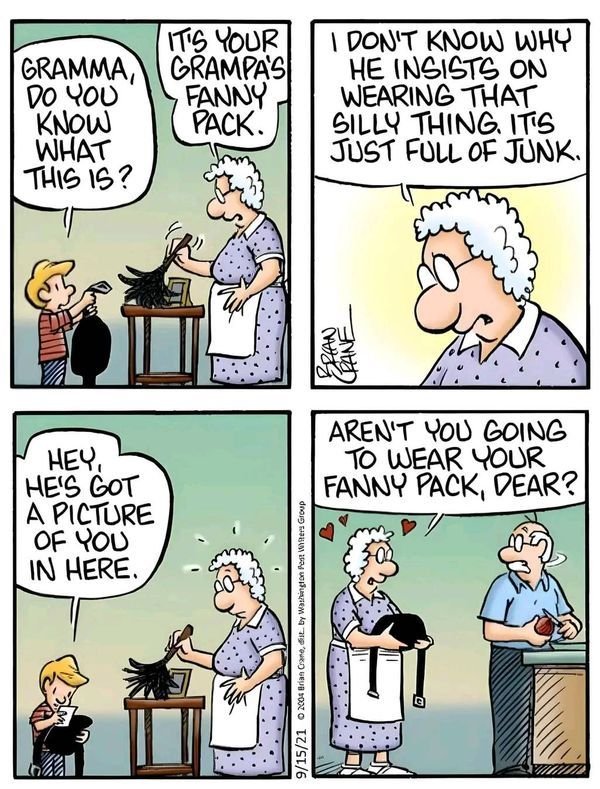
10+ Pickles Comics
Image Credit : Pintrest.com
#1
#2
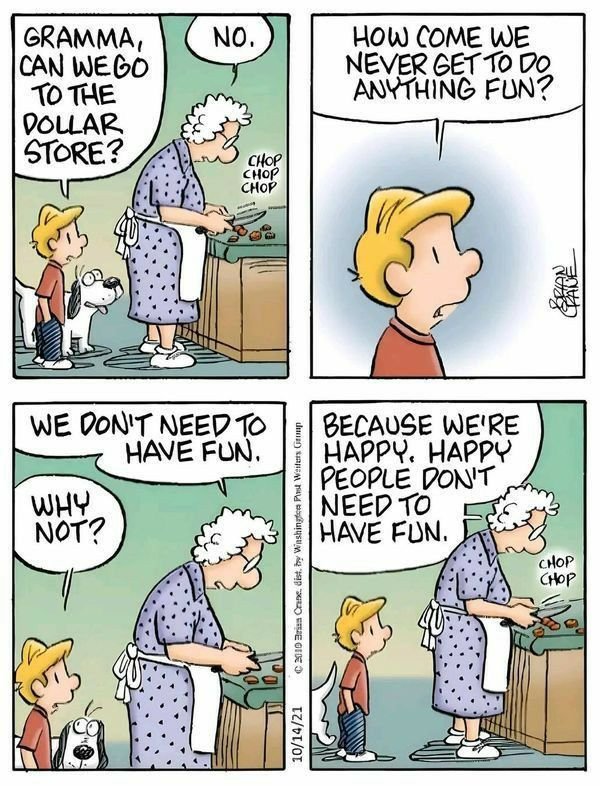
#3
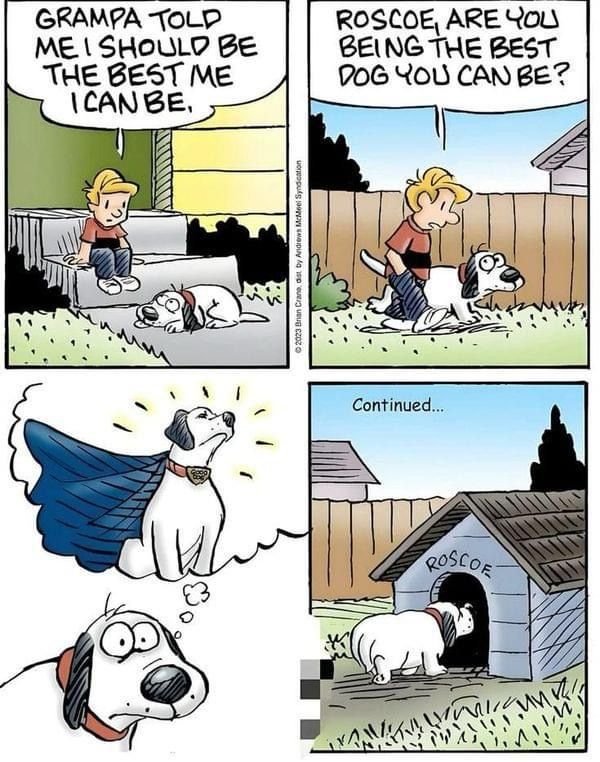
#4
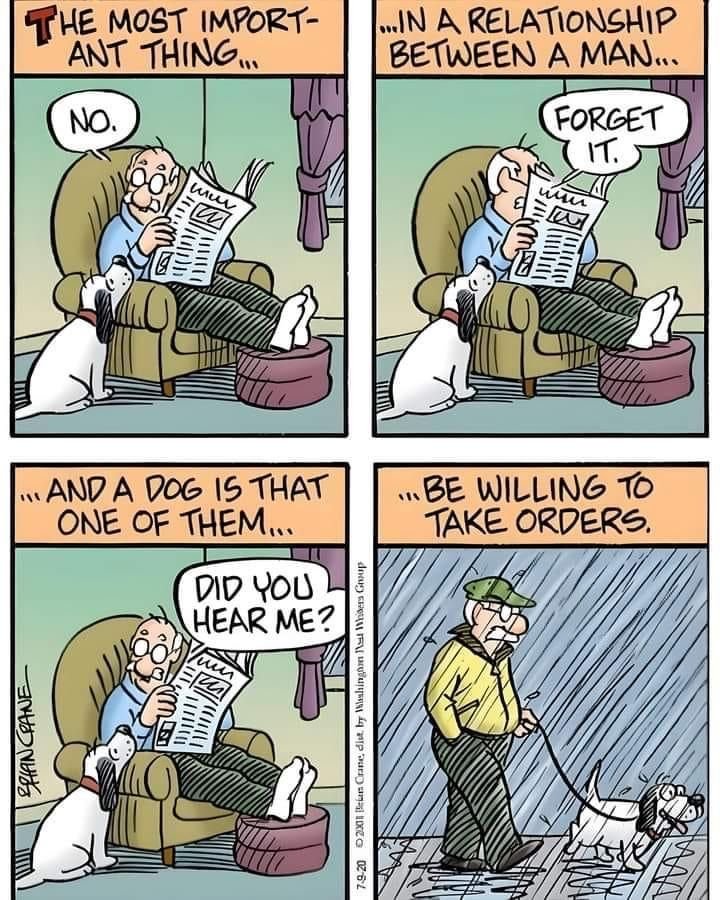
#5
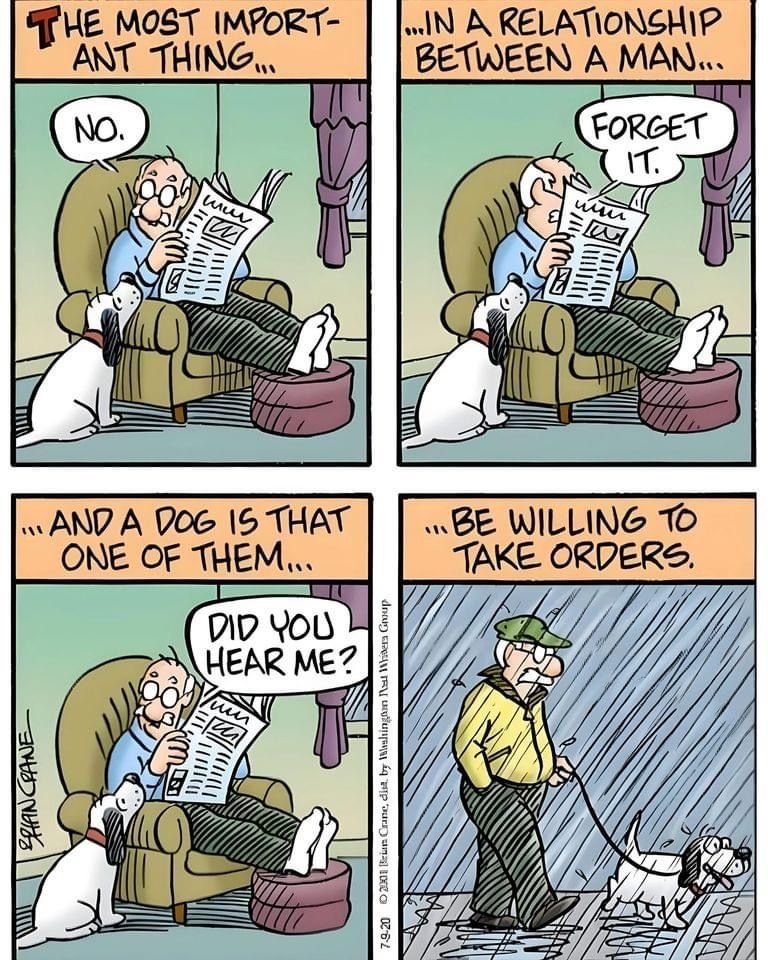
#6
#7
#8

#9

#10
Meet the Pickles Family: Characters That Feel Like Your Own Neighbors
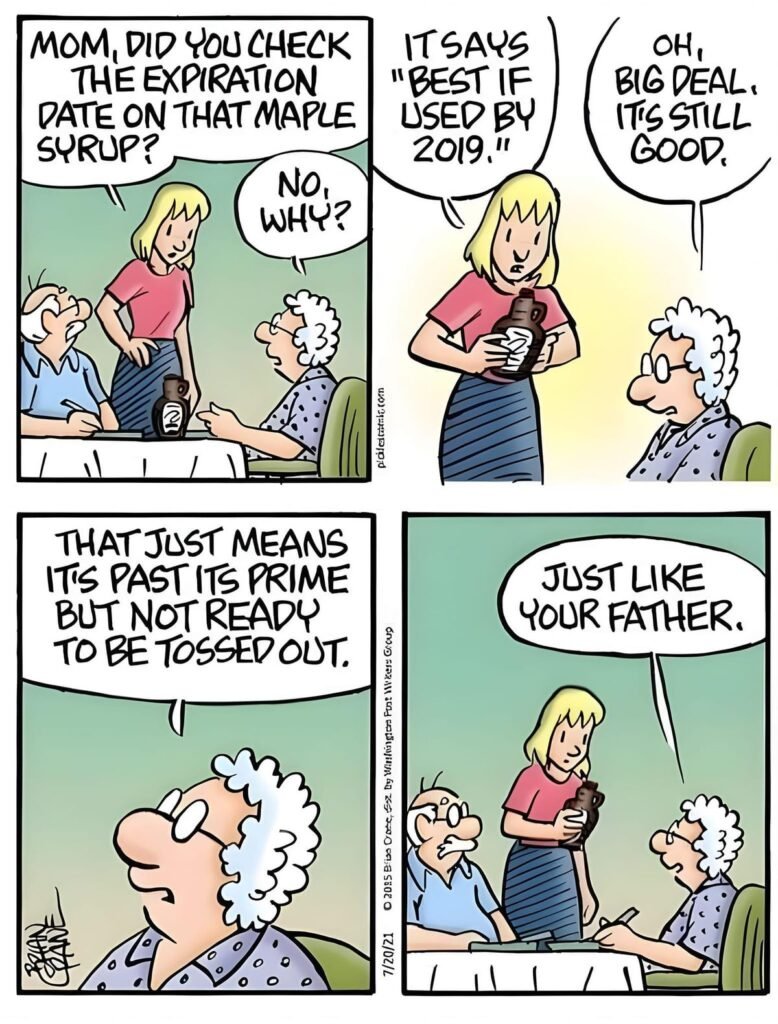
At the heart of the comic’s success are its wonderfully written characters. The strip focuses on Earl and Opal Pickles, a retired couple in their seventies. Earl is a bald, mustachioed former philosophy professor who is perfectly happy being a couch potato. He is a friendly grump with a heart of gold, often finding himself bewildered by the modern world. Opal is his perfect match—practical, loving, and quick-witted. She keeps Earl grounded with her smart remarks and endless patience, showing the strong bond of a couple who have been together for decades .
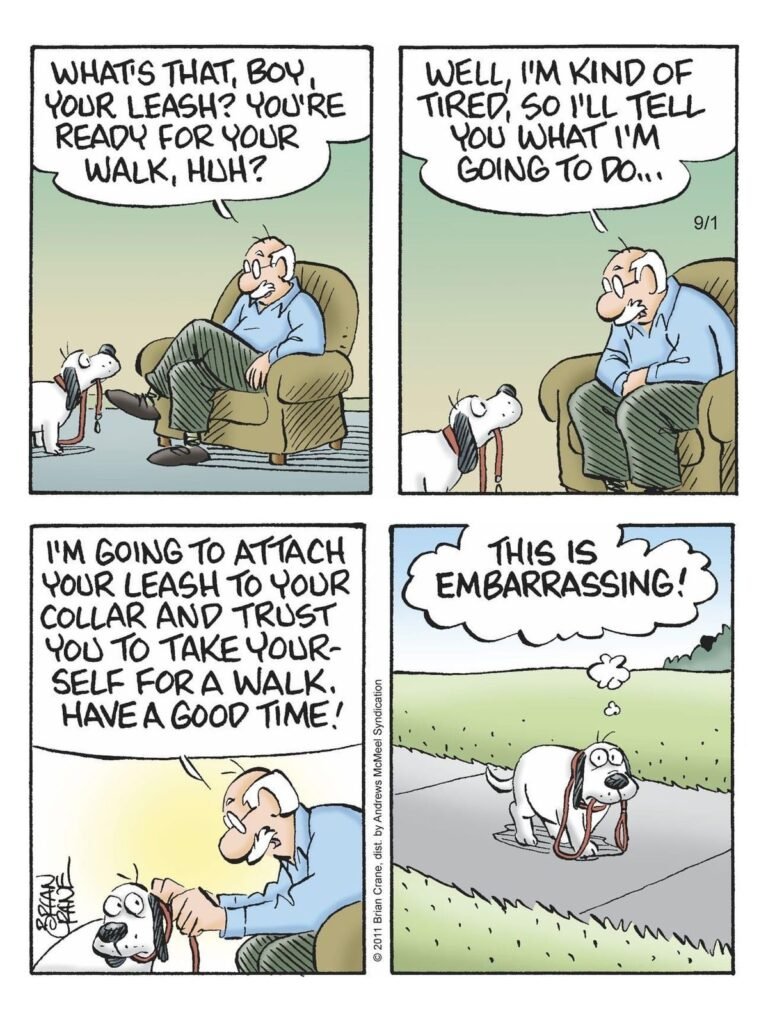
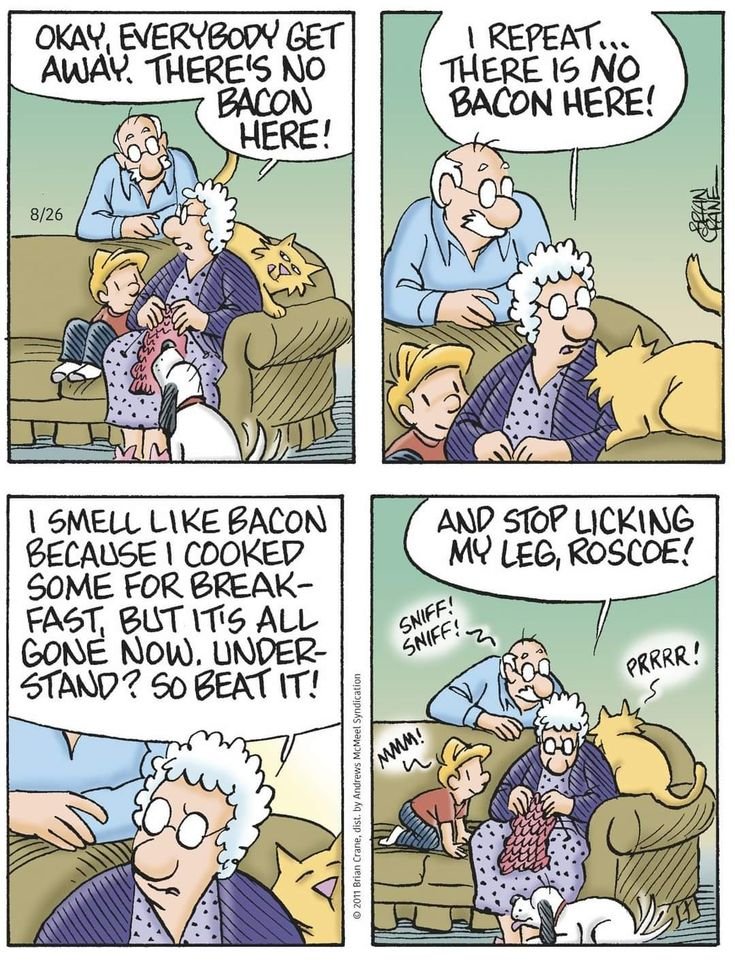
But the family doesn’t stop there. The cast includes their daughter Sylvia, her husband Dan, and their lively young grandson, Nelson. Nelson’s youthful energy provides a perfect contrast to his grandparents’ slower pace, leading to funny and sweet moments that highlight the special bond between generations. Rounding out the household are the family pets, Roscoe the dog and Muffin the cat. Like Snoopy or Garfield, these animals are given thoughts of their own, offering a funny and often smarter point of view on the humans they own .
These characters are not just drawings on a page; they are fully realized personalities with quirks and habits that readers recognize. You might know an Earl who grumbles about the neighbors or an Opal who keeps the family together. This familiarity builds a strong connection. Readers don’t just follow the strip; they feel like they are checking in on old friends. It’s comforting to see that Earl and Opal face the same small struggles and joys that we all do, which is a huge reason why the comic has such lasting appeal .
The Heart Behind the Humor: Brian Crane’s Real-Life Inspirations
Great art often imitates life, and “Pickles” is a perfect example of this. Cartoonist Brian Crane didn’t have to look far for inspiration. He has openly shared that the characters of Earl and Opal were heavily inspired by his own parents-in-law. He found them naturally funny without trying to be, and their loving, bickering relationship was the perfect blueprint for the Pickles. In fact, a real-life moment where his father-in-law’s magnetic bracelet accidentally picked up silverware at dinner became a classic comic strip .
Crane’s own life also deeply influences the work. He started the strip around the age of 40, chasing a childhood dream he had put aside for a career in graphic design. He, his wife Diana, and their seven children (and now many grandchildren) provide a never-ending source of material. His daughter, Emily, even plays a professional role in the comic’s creation by coloring the daily and Sunday strips from their home studio in Nevada. This family affair adds another layer of authenticity to the strip’s portrayal of family life .
This personal touch is what gives “Pickles” its genuine, warm-hearted feel. The strip never feels like it’s making fun of old age or family life. Instead, it celebrates it with a gentle, knowing humor. Even during difficult personal times, such as when his daughter was in a serious accident, Crane found that continuing to write the strip kept him sane. This ability to find light in the darkness is a gift he passes on to his readers, making the comic a source of comfort as well as laughter .
Why Pickles Appeals to Both Young and Old Readers Alike
Creating a comic that truly appeals to all ages is a rare feat, but “Pickles” manages it with ease. For older readers, the strip is a mirror. They see their own lives reflected in Earl and Opal’s daily routines—the doctor’s visits, the joys of a quiet afternoon, the hilarious struggles with new technology, and the deep satisfaction of a long marriage. It validates their experiences and shows that life after retirement is still full of humor and purpose. As the legendary Peanuts creator Charles Schulz once said, “I think it would be very comforting to have Earl and Opal for neighbors” .
For younger readers, the strip works on a different level. Kids love the antics of Roscoe the dog and Muffin the cat. They also relate to Nelson, the young grandson who navigates his relationship with his slightly-out-of-touch but loving grandparents. The humor is clean, simple, and often visual, making it accessible for children. At the same time, there are layers of witty dialogue and marital jokes that go over a child’s head but land perfectly with adults, allowing the whole family to enjoy the same strip together for different reasons .
This intergenerational appeal makes “Pickles” a unique bonding tool. A grandparent can share a strip with their grandchild and both can laugh—perhaps at different parts—but they are sharing a moment. The comic gently bridges the gap between generations, showing that while technology and times change, human emotions like love, frustration, and the need for connection remain the same. It reminds us that family is the one constant that can keep us laughing together, no matter our age .
A Lasting Legacy in the Funny Pages
Since its debut on April 2, 1990, “Pickles” has racked up an impressive list of achievements. It has been honored by the National Cartoonists Society, winning the award for Best Newspaper Comic Strip in 2001. Brian Crane also reached the peak of his profession in 2013 when he was awarded the prestigious Reuben Award, sharing the honor with fellow cartoonist Rick Kirkman. This award is considered the “Oscar” of the cartooning world and cemented Crane’s place among the greats .
The strip’s longevity is a testament to its quality. While many comics have come and gone, “Pickles” remains a staple in newspapers and online. It has been collected in numerous books, including treasuries like 25 Years of Pickles, proving that fans love to hold these characters in their hands. The move from The Washington Post Writers Group to Andrews McMeel Syndication in 2022 ensured that the strip would continue to reach its audience for years to come, adapting to the changing landscape of the publishing world .
In the end, the legacy of “Pickles” is about more than just awards. It’s about the daily smiles it brings to people. In a world that often feels rushed and complicated, “Pickles” offers a simple moment of peace and laughter. Brian Crane once said he plans to keep drawing “until I’m no longer physically or mentally able to do it anymore,” inspired by Charles Schulz who worked until the end. For its millions of fans, that dedication is something to be truly thankful for. It ensures that their morning visit with Earl and Opal will continue to be a beloved daily ritual .