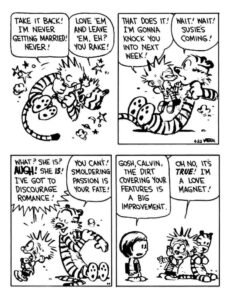
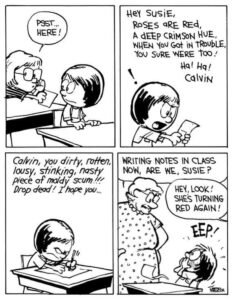
Sharing a beloved piece of your childhood with your own kids is a special kind of joy. If you grew up laughing at the antics of a mischievous six-year-old and his philosophical tiger, you probably can’t wait to introduce that world to your children. “Calvin and Hobbes” isn’t just a comic strip; it’s a beautifully drawn universe that captures the essence of being a kid. It’s a world where a cardboard box is a time machine, a snowball is a weapon of mass destruction, and a stuffed tiger is the smartest friend you’ll ever have. If you’re wondering how to share this magic with the next generation, you’ve come to the right place. Let’s explore how you can open the door to this wonderful world for your kids.
10+ Calvin and Hobbes
Image Credit : Pintrest.com
#1
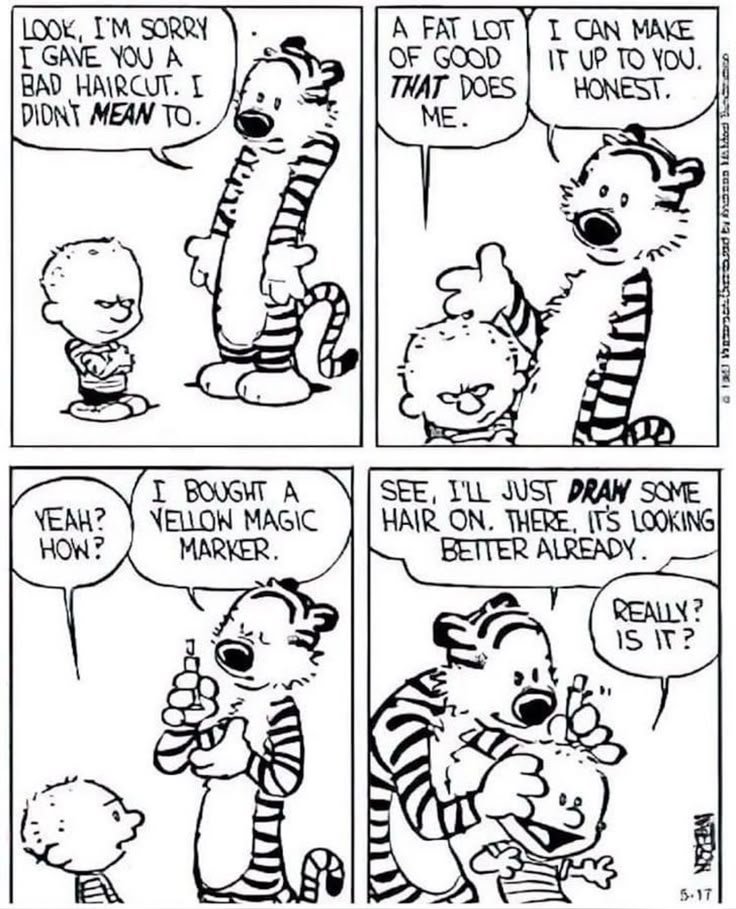
#2
#3
#4
#5
#6
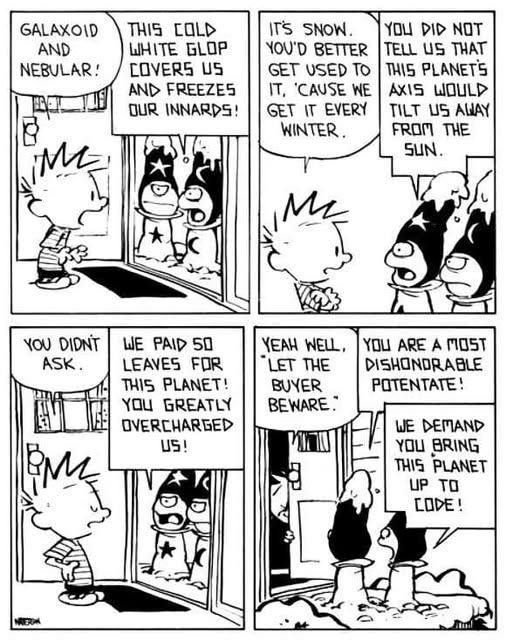
#7
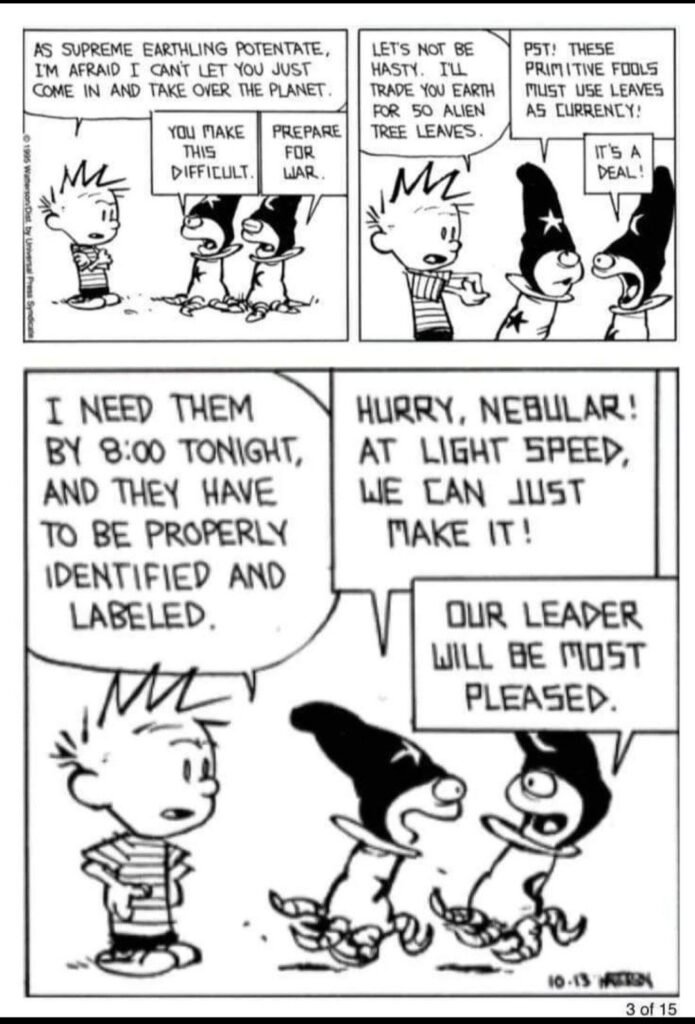
#8
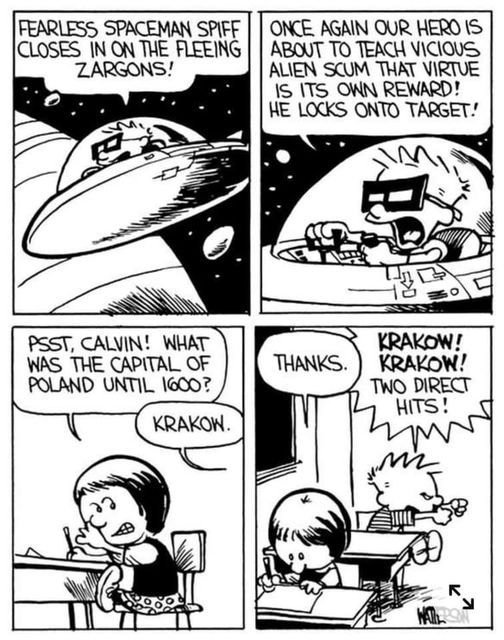
#9
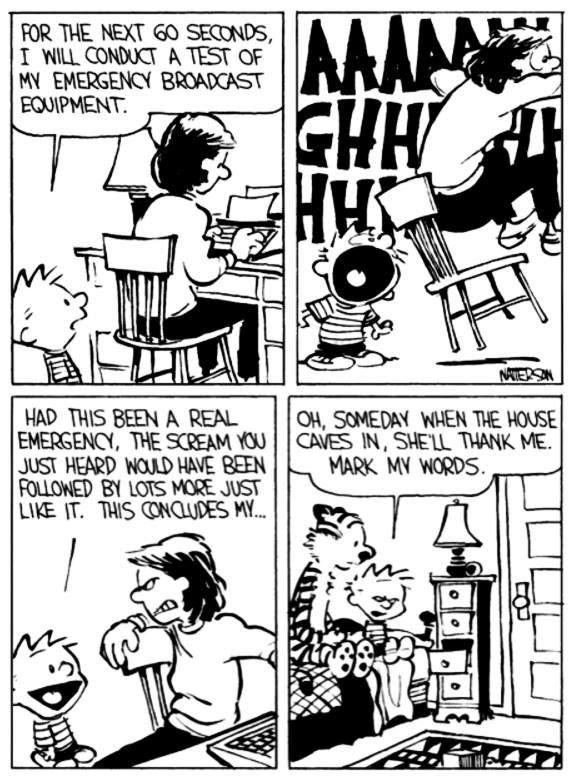
#10
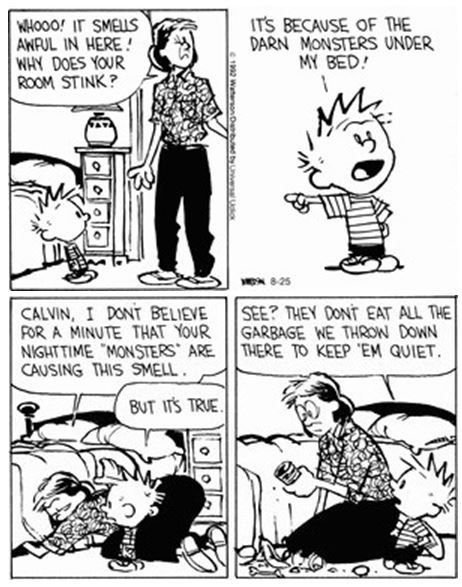
Why “Calvin and Hobbes” is Perfect for Young Readers
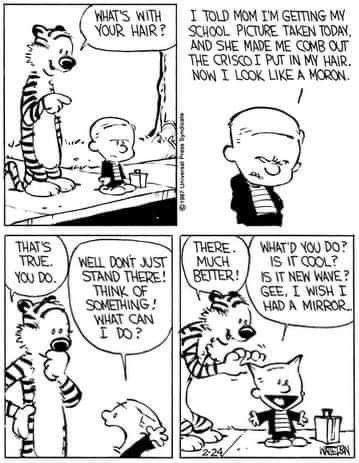
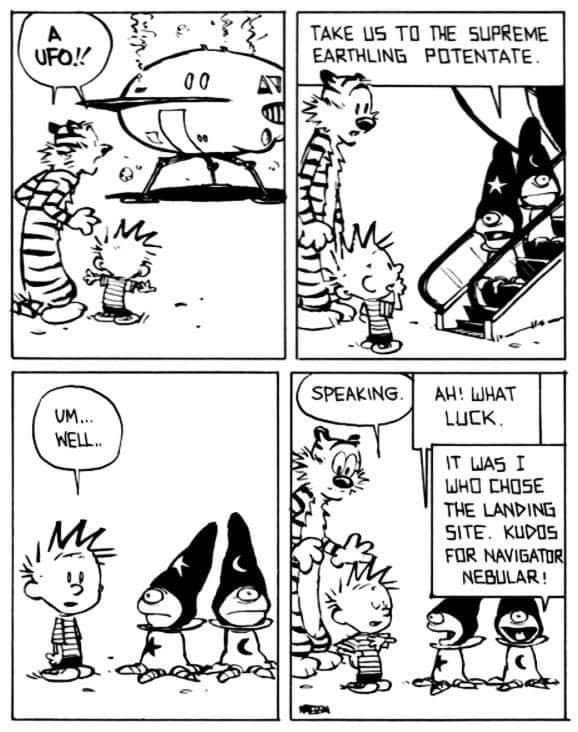
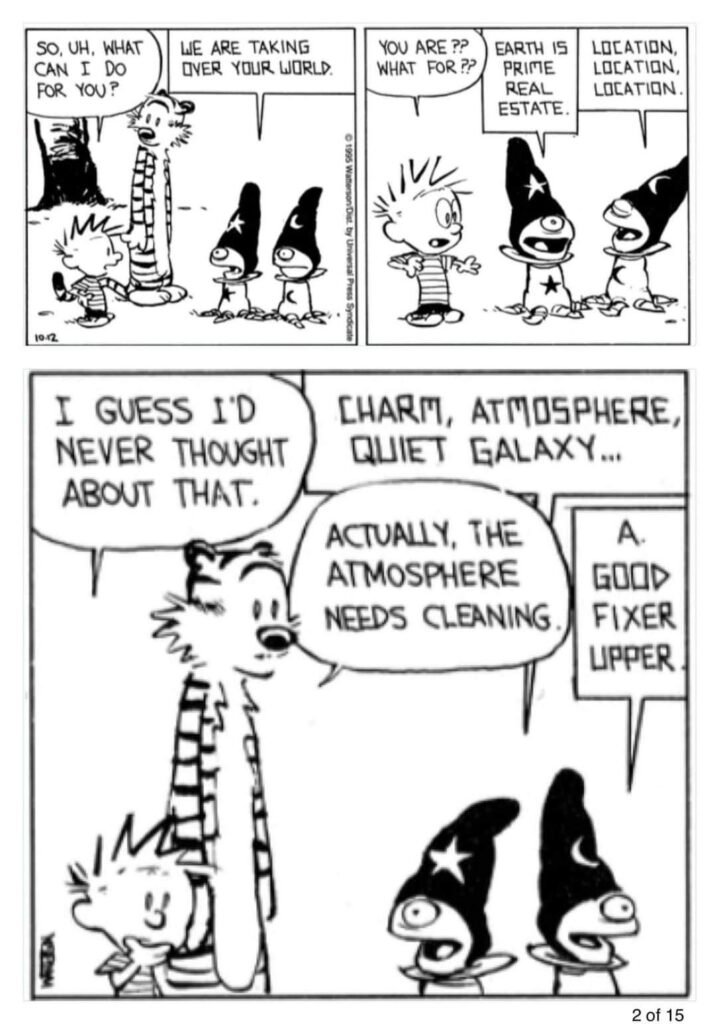
Before you even hand a book to your child, it helps to understand why this particular comic resonates so deeply with people of all ages. At its heart, “Calvin and Hobbes” is about the power of imagination . Calvin doesn’t just go to the backyard; he voyages to alien planets or travels back to the Jurassic period. For a child, this is incredibly validating. It tells them that their own imaginary games—the ones where they are a superhero or a deep-sea explorer—are important and wonderful .
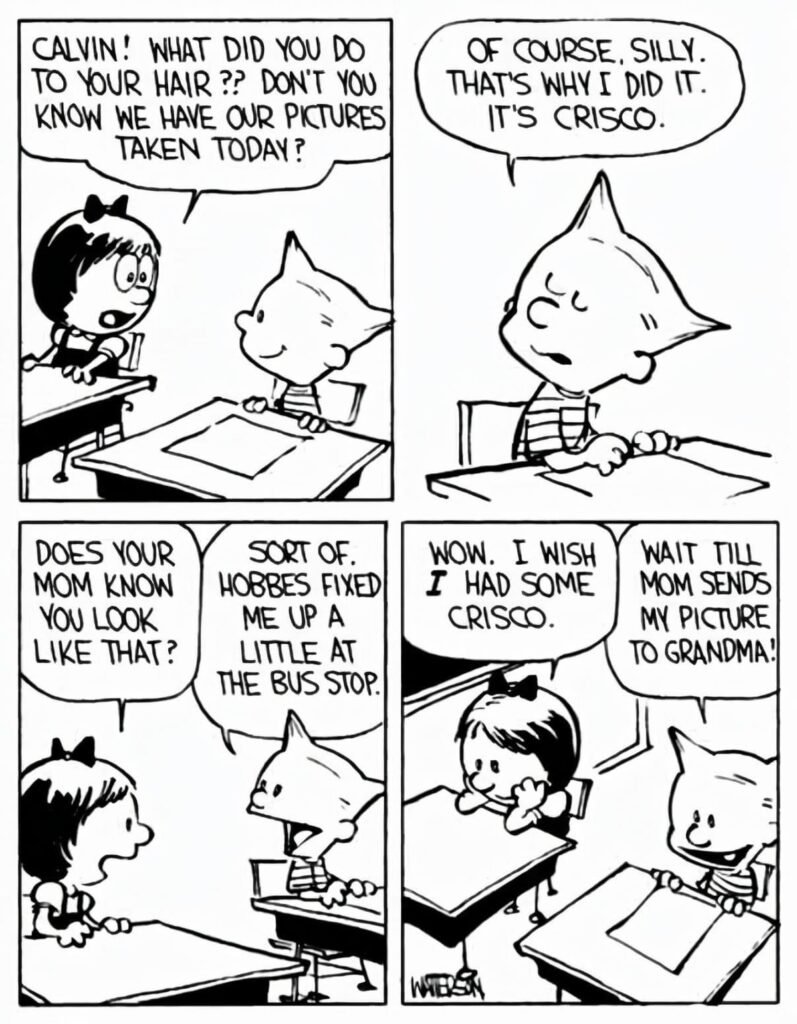
The strip also tackles the everyday struggles that kids face. Calvin deals with boring homework, bossy parents, annoying girls like Susie Derkins, and the school bully, Moe. These are real problems in a child’s world, and seeing Calvin navigate them—and often fail hilariously—shows kids they aren’t alone . It makes their own frustrations feel normal and even a little bit funny. Plus, the friendship between Calvin and Hobbes is the gold standard of loyalty and fun . Hobbes is always there to bring Calvin back down to earth (or to tackle him when he comes through the door), showing kids what it means to be a true friend.
Start with the Right Book: Choosing the First Collection
Walking into a bookstore or looking online at the collection of “Calvin and Hobbes” books can be a little overwhelming. There are huge hardcover collections and many smaller paperbacks. For a young child, you don’t want to hand them a massive, heavy book that feels like a textbook. You want something they can hold easily and flip through on their own.
A great place to start is with one of the smaller, portable collections like The Essential Calvin and Hobbes or *Calvin and Hobbes: Sunday Pages 1985-1995* . These books are often a manageable size and contain some of the best and most beloved strips from the entire run. They are perfect for reading together on the couch or for a child to take to their room to look at the pictures. The key is to let the child become familiar with the characters gradually. Seeing the same boy and tiger on the cover and flipping through the pages will spark their curiosity long before you read a single word.
Read Together and Let Them Lead the Way
Once you have a book, the real fun begins. The best way to introduce kids to Calvin and Hobbes is to make it a shared activity. Find a quiet time, maybe before bed or on a lazy weekend afternoon, and open the book together . Start by just looking at the pictures. Watterson’s art is expressive and dynamic. Ask your child, “What do you think is happening here?” or “How do you think Calvin is feeling right now?”
When you start reading, don’t be afraid to use different voices for Calvin, Hobbes, and the parents. Kids love this, and it brings the characters to life. You might be surprised by which strips they find the funniest. Sometimes it’s the big, imaginative scenes, and other times it’s a simple joke about how much Calvin hates his lunch. Let your child set the pace. If they want to read the same strip ten times, go for it. If they want to jump around the book, that’s fine too. The goal is to build positive memories around reading and to let them discover the humor at their own speed. As you read, you might even find yourself discussing the simple wisdom in Hobbes’ words, opening the door to little conversations about life .
Talk About the Big Ideas: Imagination, Feelings, and Friendship
One of the most beautiful things about “Calvin and Hobbes” is that it opens the door for parents and kids to talk about big topics in a very natural way . After reading a few strips, you can start little conversations. For example, after a story where Calvin imagines his bath is a dangerous sea, you can ask, “What do you like to imagine when you’re playing?” This validates your child’s own creativity and encourages them to share their inner world with you .
The strip is also great for talking about feelings. Calvin gets angry, jealous, bored, and lonely. He throws tantrums and gets in trouble. Seeing a character act out like this can help your child understand their own emotions. You can ask, “Why do you think Calvin got so mad?” or “What could he have done differently?” Hobbes often acts as the voice of reason, helping Calvin see things in a new light . This models how friends can help each other. You can talk about how Hobbes is a good friend to Calvin, even when Calvin is being difficult, reinforcing the values of patience, loyalty, and kindness in friendship .
Take It Beyond the Page: Bringing Calvin’s World to Life
The magic of Calvin and Hobbes doesn’t have to stay inside the book. You can use the strip as a springboard for real-world activities that will create lasting memories with your kids . After reading about Calvin’s epic snowball fights or his unique snowmen, the first snowy day is a perfect opportunity. Go outside and challenge your kids to build a snowman that tells a story or has a funny expression, just like Calvin does. You could even build an army of snowmen, each one crazier than the last .
On a rainy day, why not play a game of Calvinball? The only rule is that you can’t play it the same way twice . Make up the rules as you go along. You might have to hop on one foot, then sing a song, then run backwards. It’s silly, chaotic, and pure fun. It teaches kids that you don’t need a board game or a screen to have a good time—you just need imagination. You can also encourage your child to draw their own comic strips. Give them a piece of paper and show them how to divide it into four panels . They can draw their own adventures featuring Calvin and Hobbes, or they can create brand-new characters. This is a fantastic way to build storytelling skills and let their creativity shine.
Conclusion
Introducing your kids to “Calvin and Hobbes” is like giving them a gift that keeps on giving. It’s a gift of laughter, imagination, and gentle wisdom. It’s a way to bond with them over shared jokes and to see the world through their eyes, just as Calvin teaches us to do. By starting with the right book, reading together, talking about the stories, and bringing the fun into your own home, you’re not just sharing a comic strip. You’re building a bridge between your childhood and theirs. You’re creating new memories that, years from now, they might share with their own kids. So go ahead, find that book, curl up on the couch, and get ready to explore a magical world. As Calvin himself said, “It’s a magical world, Hobbes, ol’ buddy… Let’s go exploring!” .