When you think of classic cartoon characters, you probably imagine good-natured folks like Charlie Brown, adventurous types like Tintin, or maybe even a mischievous but lovable troublemaker like Dennis the Menace. But then, there is Andy Capp. Since he first appeared in British newspapers in 1957, this lazy, chain-smoking, beer-loving layabout has been a staple of the funnies. Unlike the heroes we root for, Andy doesn’t save the day or learn a valuable lesson. He naps on the couch, dodges his rent, and drives his wife up the wall. This retrospective looks at why this “unlikable” character became a global icon and whether he deserves the title of the original cartoon anti-hero.
To understand Andy, you have to forget everything you know about traditional protagonists. He doesn’t have a heroic bone in his body. He is unemployed by choice, spends his days at the pub or the racetrack, and his main hobby is avoiding his long-suffering wife, Flo. In a world of comics that often preached morality, Andy was a breath of fresh—if somewhat stale—air. He represented a reality for many, reflecting the struggles and coping mechanisms of the working class in Northern England . He wasn’t something to aspire to; he was something to laugh at and perhaps, recognize.
The term “anti-hero” gets thrown around a lot today, usually applied to brooding television characters with a dark past. But Andy Capp might be the purest, earliest form of the concept in popular print. He lacks the conventional heroic qualities of courage, idealism, and morality. Instead, he is driven by sloth and self-gratification. Yet, despite all his flaws—or perhaps because of them—readers couldn’t get enough. He carved a path for characters who are fascinating not for their goodness, but for their unapologetically flawed humanity.
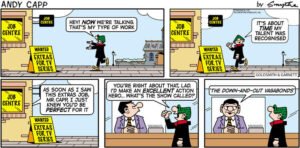
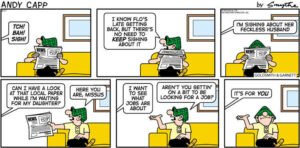
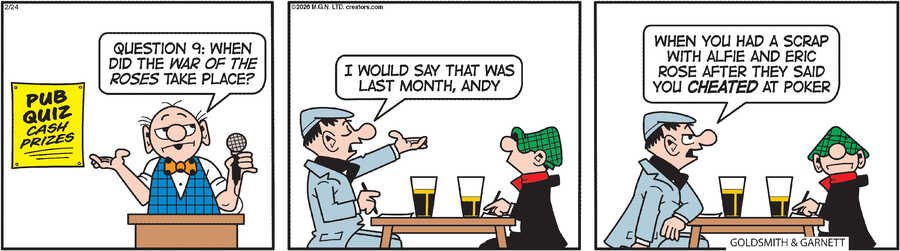
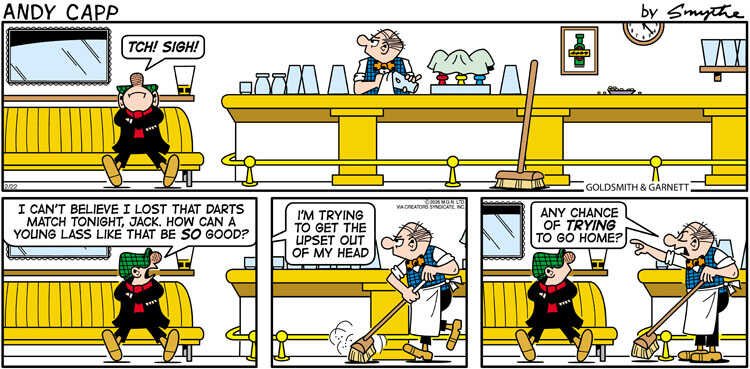
10+ Andy Capp comics
Image Credit : Reg Smythe
#1
#2
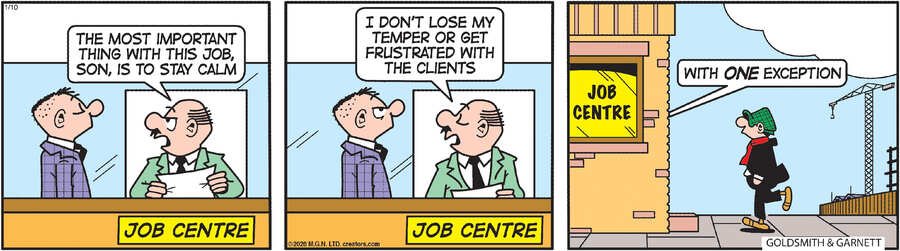
#3
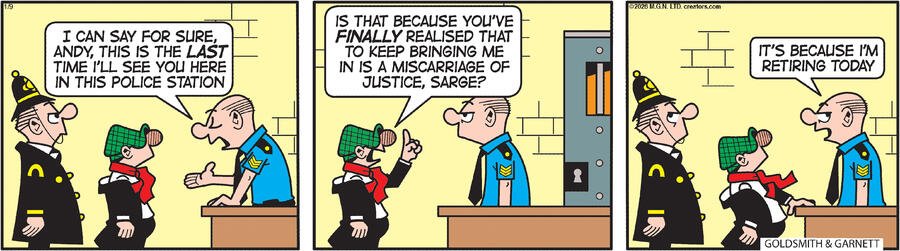
#4
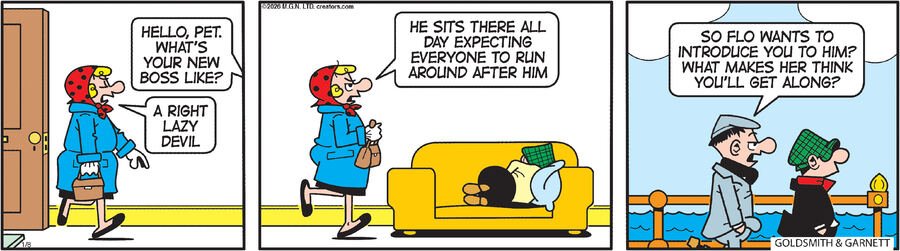
#5
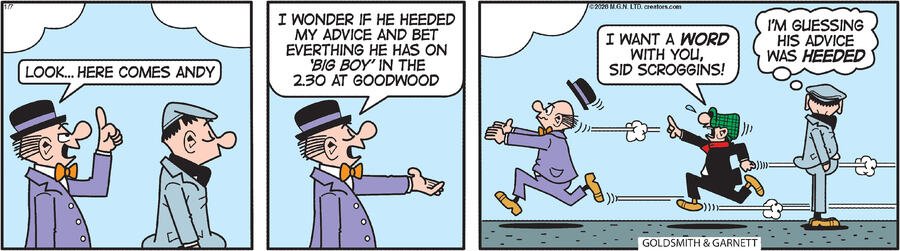
#6
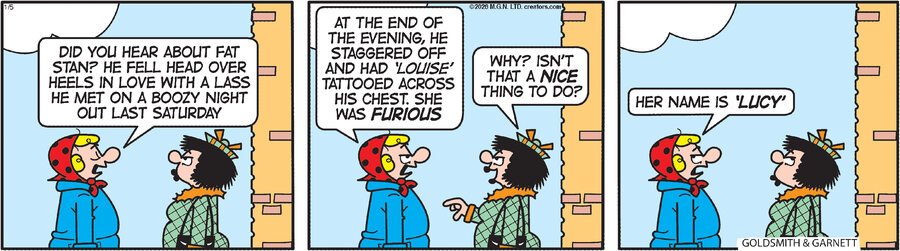
#7
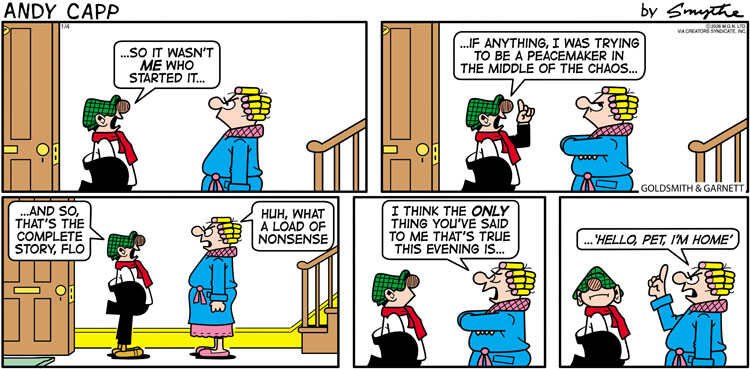
#8
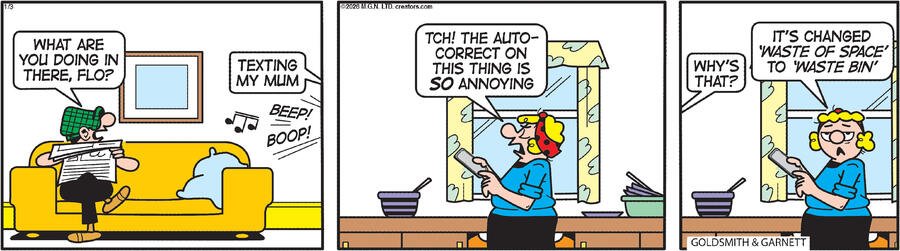
#9
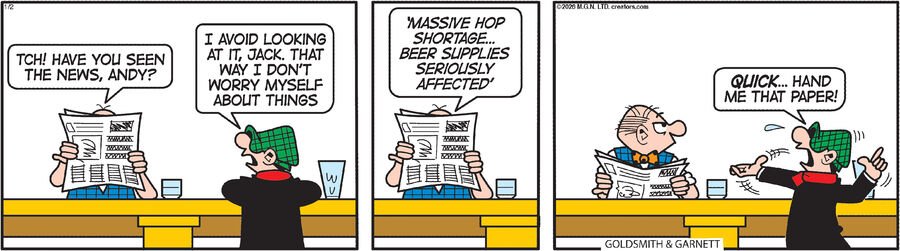
#10
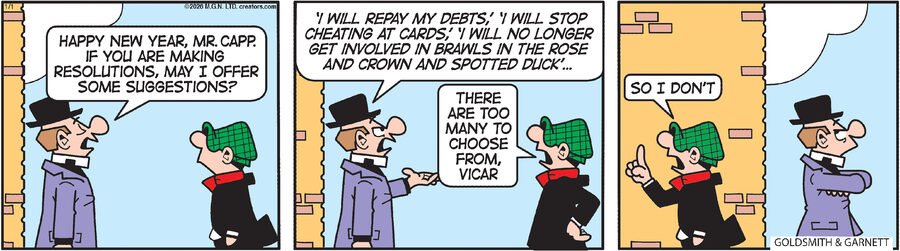
Who is Andy Capp? A Working-Class Icon
Andy Capp is the creation of cartoonist Reg Smythe, who grew up in the tough town of Hartlefield. Smythe knew the environment he was depicting firsthand, having experienced poverty and unemployment himself . Andy is the ultimate “bloke” from the North of England. He wears a flat cap permanently pulled down over his eyes, always has a cigarette dangling from his lips (until the politically correct updates of the later years), and a pint of beer is never far from his hand . His name itself is a wordplay on “handicap,” suggesting he is a burden to himself and everyone around him .
His world is small and rarely changes. It consists of his favorite pub, the sofa at 37 Durham Street, and the occasional trip to the football pitch where he inevitably gets into a fight. He goes “pigeon racing” with his mates, which is really just an excuse to stand in a field and talk about beer. He is perpetually in debt to Percy the rent collector, yet he always seems to scrape together enough money for a bet or a drink, often by borrowing from his wife’s wages . He is the master of the “dole queue” culture, representing a specific archetype of British humor that finds comedy in the mundane struggle of everyday survival.
But what makes Andy more than just a stereotype is his relationship with his wife, Florrie. Flo is the real backbone of the strip. While Andy lounges, she often goes out to work as a cleaner to keep a roof over their heads. She gives as good as she gets in their legendary arguments, which in the early days famously spilled out into the street in a cloud of cartoon dust . She is the long-suffering everywoman, and her resilience in the face of Andy’s antics makes her the character readers truly root for, highlighting just how useless her husband can be .
The Case for Andy Capp as the Original Anti-Hero
Long before Walter White or Tony Soprano, there was Andy Capp. He fits the definition of an anti-hero perfectly: he is the central character of his story, but he lacks the conventional attributes of a hero. In fact, he actively rejects them. Where a traditional hero would work hard to provide for his family, Andy works hard to avoid work. Where a hero shows courage, Andy shows the cunning courage to hide from his wife’s rolling pin. He operates on a moral code that is entirely self-serving, and that was revolutionary for a comic strip in the 1950s .
At a time when many American comics were portraying idyllic suburban life, Andy Capp presented the flip side. He wasn’t just flawed; he was proudly, stubbornly flawed. He drank too much, he was physically confrontational (often with the soccer referee or opposing players), and he was a neglectful husband. In the world of literature and comics, characters like this existed on the fringes, but Andy brought him to the mainstream breakfast table. He made it acceptable to laugh at the guy who wasn’t trying to get ahead, the guy who had given up on ambition in exchange for a quiet life .
His anti-hero status is cemented by the fact that he doesn’t change. In most stories, characters arc and grow. Andy Capp is a static character. He has been avoiding work and dodging Flo for over sixty years. This consistency is oddly comforting. He is a monument to stubbornness. Readers don’t look to Andy for guidance; they look to him for validation that it’s okay to have a bad day, or a bad life, and just laugh about it. He is the patron saint of the fed-up everyman, which is a powerful form of anti-heroism.
From the Pub to the World: Cultural Impact and Controversy
Despite—or because of—his rough edges, Andy Capp became a massive global success. At its peak, the strip was syndicated in over 50 countries and translated into 14 languages . In Italy, he was known as “Carlo,” and in France, “Andre Chapeau” . He transcended cultural barriers because laziness and the battle of the sexes are universal themes. He even made his way into music, inspiring the look of AC/DC frontman Brian Johnson, who famously sports Andy’s signature flat cap on stage . The Simpsons paid homage to him, with Homer Simpson once laughing at the strip and summing up Andy perfectly: “Oh, Andy Capp, you wife-beating drunk!” .
However, this quote highlights the controversies that have always dogged the character. As society’s views changed, some of Andy’s classic behaviors became less funny and more problematic. The depiction of domestic violence, even though it was stylized and Flo always fought back, became a major concern . By the 1980s, the cigarette was permanently removed from his lip due to health concerns and changing attitudes toward smoking in media . The physical fights with Flo were also phased out, replaced by scenarios like marriage counseling to reflect a modern sensitivity .
In recent years, some critics have argued that Andy has been “ruined” by political correctness and “woke” culture, suggesting that sanitizing the character strips him of his original rebellious identity . This debate is central to his legacy: can Andy Capp exist without his vices? The fact that we are still asking this question proves his lasting power. He is a time capsule of a specific era and attitude, and his evolution reflects how much the world has changed around him. He may have softened, but his core as the original layabout remains intact.
Conclusion: The Lasting Legacy of a Lovable Lout
So, is Andy Capp the original cartoon anti-hero? While it is hard to pin down any single “first,” he is certainly one of the most influential and enduring. Before the term entered the modern lexicon, Andy was perfecting the art of doing nothing. He brought the anti-hero out of the literary shadows and into the daily newspaper, proving that characters don’t need to be good to be good. They just need to be real, or at least, a hilarious exaggeration of reality.
Andy Capp’s legacy is complicated. He is a symbol of a gritty Northern England that is often romanticized, and a reminder of a time when humor was darker and less filtered . Today, a statue of him stands in his creator’s hometown of Hartlepool, a testament to a character who, despite being a “disgrace” to his wife and community, is beloved by millions . He may be a drunk, a gambler, and a slob, but Andy Capp is our drunk, gambler, and slob. And in a world full of pressure to be perfect, there is something strangely liberating about the man who never even tries.