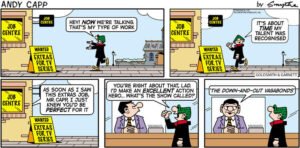
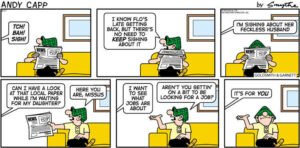
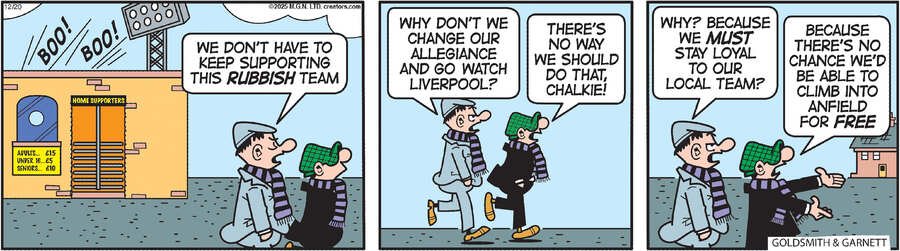
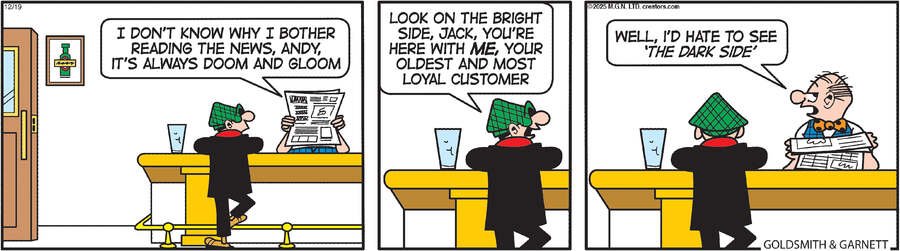
For millions of readers, Andy Capp was a beloved fixture of the Daily Mirror newspaper. Created by Reg Smythe, this work-shy, flat-capped layabout from Hartlepool had been making readers chuckle since 1957 with his single-panel gags about drinking, gambling, and his fiery relationship with his wife, Flo . So, in 1988, it seemed like a no-brainer for British TV network ITV to bring this iconic character to life. The result was a six-part sitcom starring James Bolam, simply titled Andy Capp. But despite a famous star and a well-known writer in Keith Waterhouse, the show fizzled out after just one series and disappeared from screens almost as quickly as it arrived . Let’s take a stroll down memory lane and look at exactly why this adaptation didn’t quite hit the mark.
10+ Andy Capp Comics
Image credit: Reg Smythe
#1
#2
#3
#4
#5
#6
#7
#8
#9
#10
The Challenge of Bringing a Cartoon to Life
Adapting a successful cartoon strip into a live-action sitcom is never an easy task. In the world of comics, Andy’s world existed in small, sharp bursts of humour. Readers would get a single, well-crafted joke in a few panels, and that was enough . The problem the 1988 TV series faced was stretching that concept into a 30-minute narrative. What works as a quick gag about Andy sneaking into the pub doesn’t necessarily have the legs to carry a full episode with subplots and commercial breaks.
The show tried to stay true to its roots. It was written by Keith Waterhouse, a respected novelist and journalist, and unusually for a sitcom at the time, it was filmed entirely on location without a studio audience or a laugh track . This was a bold move. The creators seemed to want a more naturalistic feel, but for many viewers, this decision backfired. Without the energy of a live audience, the jokes often landed with a thud. The magic of the cartoon was in its simplicity, but stretching that simplicity into a half-hour show left it feeling empty and, as one reviewer put it, more likely to raise a smile than an actual laugh .
The Problem with a Unlikeable Main Character
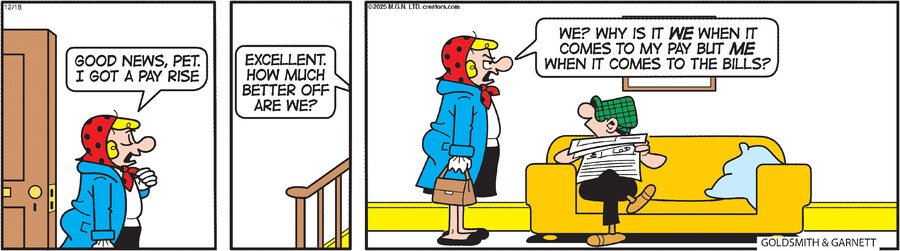
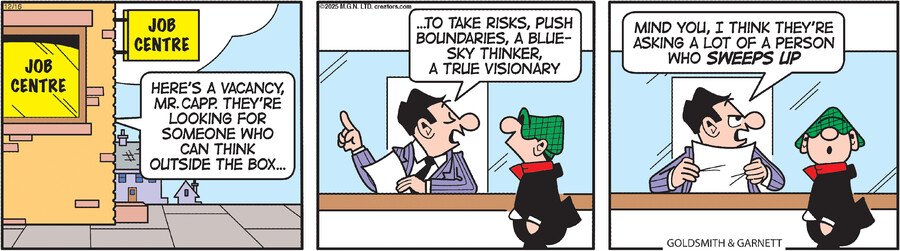
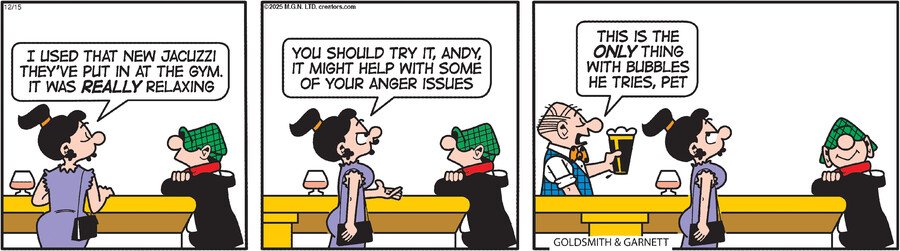
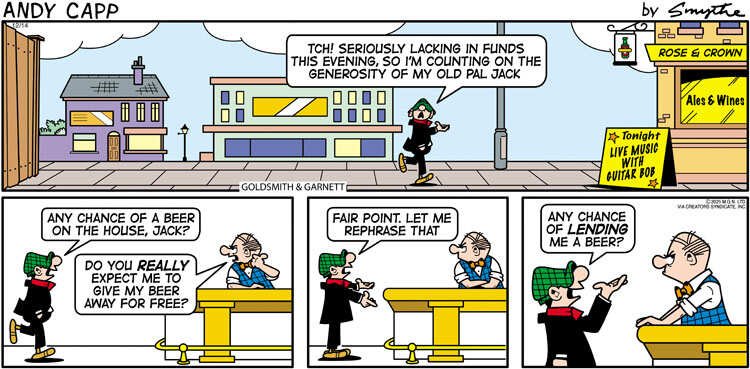
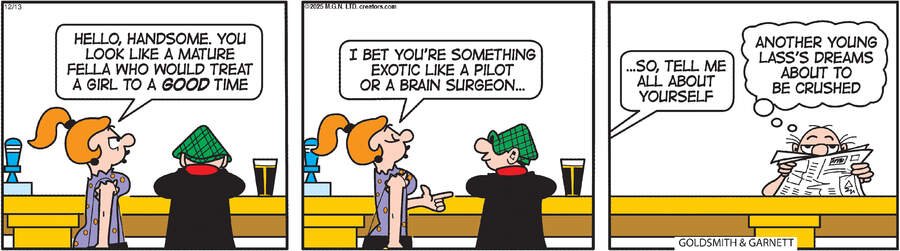
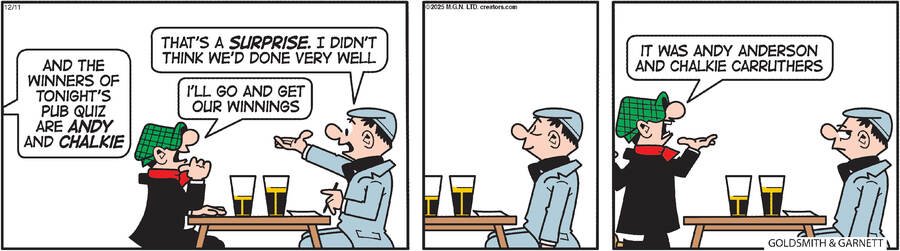
One of the biggest hurdles the series couldn’t overcome was the character of Andy Capp himself. In the newspaper strips, Andy was what you might call a “lovable rogue.” Sure, he was lazy and spent his days avoiding work, but there was a charm to his cheekiness that made readers root for him, even when he was annoying Flo . He was a product of his time and his environment, and his mischievous nature was part of the joke.
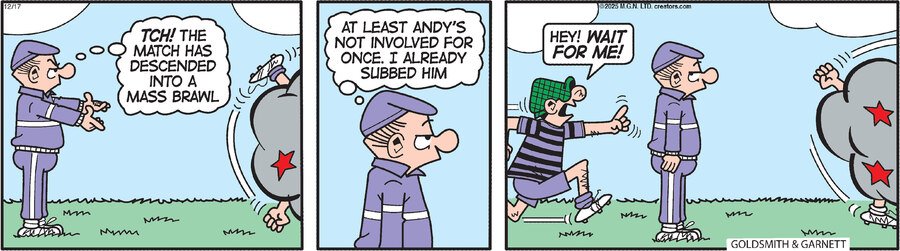
However, when translated to live-action, that charm evaporated. Suddenly, Andy wasn’t a drawing in a newspaper; he was a real person, played by James Bolam, and his flaws became much harder to ignore. On screen, he wasn’t a lovable rogue anymore—he was just a drunkard, a bully, and a liar who let his long-suffering wife work to pay the bills while he spent the money at the pub . The physical comedy of the strip, like the famous dust-cloud fights between Andy and Flo, became uncomfortable to watch in real life. A brawl between a man and a woman isn’t funny when it’s played out by actors; it’s just unpleasant . Viewers found it hard to invest in a show where the main character had so few redeeming features.
The Creative Choices That Confused Viewers
Beyond the character issues, the production made some odd choices that left audiences scratching their heads. For starters, Andy Capp is famously a son of Hartlepool in the North East of England. Yet, in the TV series, many of the characters spoke with accents from West Yorkshire, which is a completely different region . For the show’s target audience in the UK, where local identity is strong, this kind of mistake was jarring and took them right out of the story.
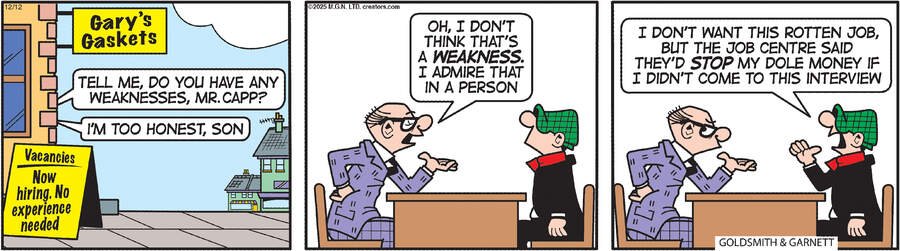
Then there was the look of the character. In the comic strip, Andy’s flat cap is pulled down so low that it covers his eyes, a classic visual gag. But you can’t have a leading man walking around unable to see. Actor James Bolam had to wear the cap pushed back on his head so he could actually navigate the sets and deliver his lines . It was a small but significant change that made the live-action Andy look less like the iconic cartoon figure and more like just a guy in a hat. These little inconsistencies added up, making the show feel like a pale imitation of the source material rather than a faithful adaptation.
A Short-Lived Run and Fading Legacy
Ultimately, the Andy Capp TV series lasted for just six episodes, airing between February and March of 1988 . Despite the hype that accompanied its launch, the viewing figures quickly dwindled as word got around that it simply wasn’t very funny . It wasn’t just the critics who panned it; the British public, who had grown up with Andy in their daily papers, voted with their remote controls.
Today, the 1988 series is largely a forgotten footnote in TV history. While the complete series was eventually released on DVD in 2012, allowing a new generation to be curious about it, it remains a curiosity rather than a classic . The Andy Capp comic strip, however, is still running today, proving that the character works perfectly in his original format. The failed TV show serves as a perfect lesson in how difficult it can be to translate a simple idea into a different medium. Sometimes, a character belongs exactly where they started—on the page, with a pint in one hand and a cigarette hanging from their lips, not on your television screen every week.
In the end, the 1988 Andy Capp series is best remembered as a well-intentioned experiment that simply didn’t pay off. It proved that a character can be iconic in one format and completely miss the mark in another. While James Bolam did his best with the material, the show remains a gentle warning to TV producers: some beloved characters are best left on the printed page, where their magic first came to life.