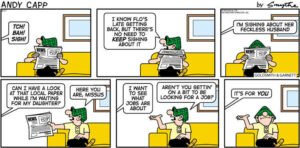
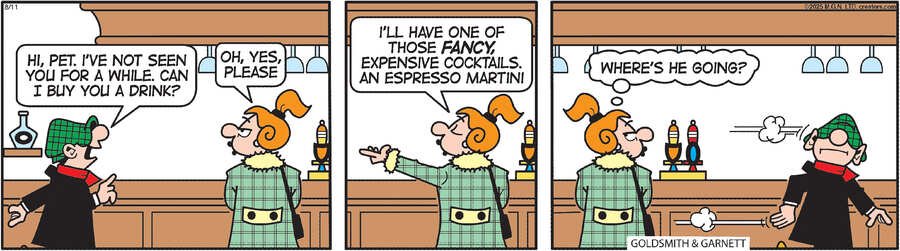
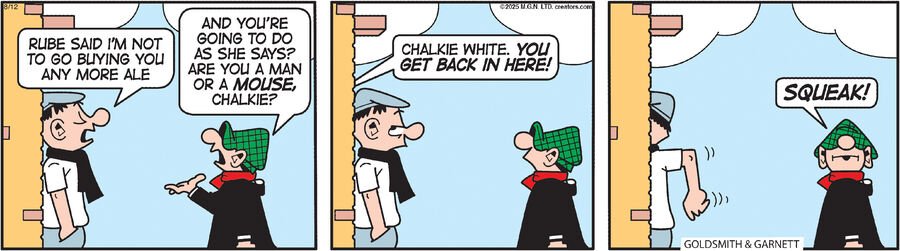
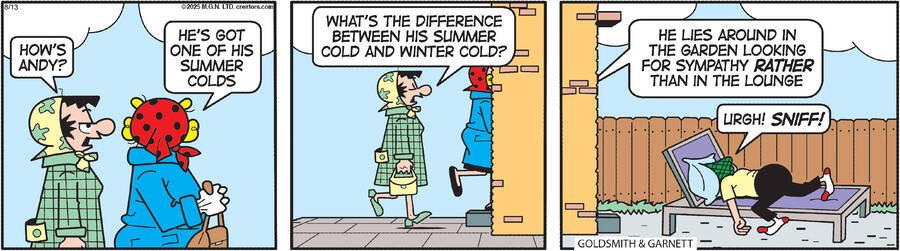
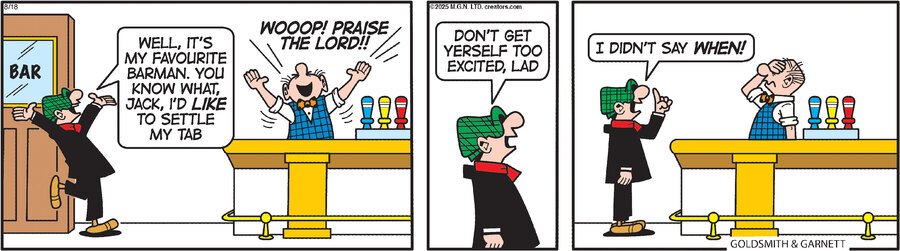
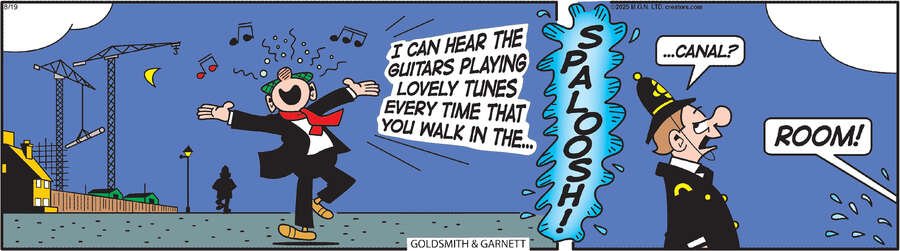
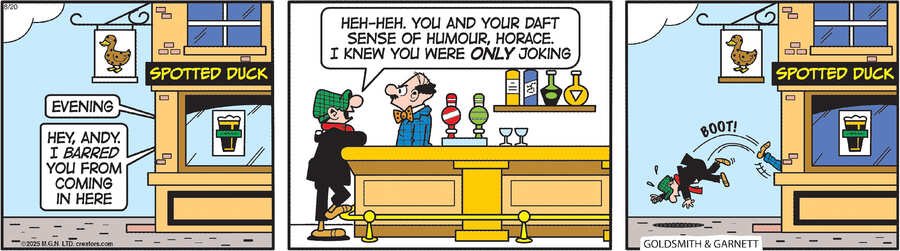
For decades, the image of Andy Capp was as unmistakable as his signature flat cap pulled down over his eyes. Alongside his pint of beer and his laid-back attitude, there was always one constant companion dangling from his lips: a cigarette. For millions of readers around the world, Andy without a fag was like fish and chips without salt and vinegar. So, in 1983, when the beloved British comic strip character suddenly stopped smoking, it caused quite a stir. Many people scratched their heads and jumped to conclusions, assuming that the politically correct police had finally caught up with the loveable rogue from Hartlepool .
It was a time when smoking in public places was starting to become a hot topic, and health concerns were making headlines. Naturally, readers thought the decision was made by nervous newspaper editors trying to avoid offending their audience. The rumor mill went into overdrive, suggesting that the Daily Mirror, which publishes the strip, had pressured the cartoonist to clean up Andy’s act. It seemed like the most logical explanation for a character so defined by his bad habits suddenly ditching one of his most famous trademarks .
However, as is often the case, the truth behind this significant character change was far more personal, heartfelt, and surprisingly simple. It had nothing to do with focus groups, public health campaigns, or corporate mandates. The real reason Andy Capp quit smoking was much closer to home. It was a decision that came not from the top floor of a newspaper office, but from the very heart of the strip’s creation, changing the character forever based on one man’s private battle.
10+ Andy Capp
Image Credit : Reg Smythe
#1
#2
#3
#4
#5
#6
#7
#8
#9
#10
The Man Behind the Cap: Reg Smythe’s Personal Battle
To understand why Andy Capp put out his last cigarette, you first have to understand his creator, Reg Smythe. Born in Hartlepool in 1917, Smythe was the real deal. He grew up in a working-class family and understood the characters he was drawing because he had lived among them. He based Andy and his long-suffering wife Flo on his own parents, bringing an authenticity to the strip that resonated with millions . Andy wasn’t just a cartoon; he was a reflection of a certain time and place in British culture, warts and all.
Reg Smythe was a chain-smoker. For much of his life, cigarettes were as much a part of his daily routine as a pencil and paper. But by the early 1980s, the habit that had once been a casual companion began to take a serious toll on his health. Smythe was forced to confront the same harsh reality that many long-term smokers eventually face. It got to the point where his doctor likely gave him a straightforward choice: quit smoking, or face devastating consequences .
It was a difficult and personal struggle. Smythe knew firsthand how hard it was to kick the habit. It wasn’t a decision he took lightly, but his health was on the line. And as he sat at his drawing board, cigarette in hand, he had a moment of clarity. How could he, a man fighting to give up smoking, keep drawing his most famous creation with a cigarette permanently glued to his lip? It felt wrong. The connection between the artist and his art was just too strong to ignore.
“The Truth is That Reg Himself Gave Up Smoking”
The most definitive answer to why Andy quit came directly from the source. Fergus McKenna, who was the head of syndication at Mirror Group Newspapers at the time, stepped in to set the record straight. He directly addressed the swirling rumors of political correctness, shutting them down with a simple and honest explanation. It wasn’t about outside pressure or trying to make the strip more wholesome for modern readers .
“The truth is that Reg himself gave up smoking,” McKenna explained, “and he said there was no way Andy was going to carry on enjoying cigarettes when Reg couldn’t” . This quote cuts right to the heart of the matter. It was a deeply personal decision driven by empathy and a touch of artistic integrity. Smythe simply couldn’t bear to watch his fictional character continue to do something that was causing him so much real-life pain and difficulty. It was as if Andy had to suffer alongside his creator.
This honest admission from the newspaper’s top brass confirmed that the decision was a creative one, born out of a very human moment. Smythe wasn’t trying to make a political statement or send a message to young readers. He was simply going through a tough time and didn’t want to be reminded of his own struggles every time he looked at his work. If he had to live without cigarettes, then Andy did too. It was that straightforward.
A Changing Strip: Beyond the Cigarette
The decision to stub out Andy’s cigarette was just one part of a larger evolution for the strip. Over the years, Andy Capp has had to adapt to changing social times, though always under the careful guidance of its creators. The most notable change, aside from the smoking, was the disappearance of the physical fights between Andy and his wife Flo. In the early days, their arguments often ended in a comical cloud of dust with fists and feet flying, a stylized form of slapstick that was common in cartoons at the time .
As society became more aware of the realities of domestic violence, this kind of humor started to feel outdated and inappropriate. It wasn’t funny anymore. So, just as the cigarette had to go, so did the fisticuffs. The strip cleverly evolved, replacing the physical brawls with sharp, witty, verbal sparring. Now, instead of duking it out, Andy and Flo are often seen attending marriage counseling sessions, a modern twist that keeps the characters relevant while maintaining their core, bickering relationship .
These changes show that while Andy Capp remains the same lazy, beer-loving, work-shy character at heart, the world around him has moved on. The strip has successfully modernized itself by letting go of elements that were no longer acceptable, while carefully preserving the essential charm and humor that has made it a staple in newspapers since 1957. It’s a delicate balancing act, but one that has allowed Andy to survive and thrive for over 60 years.
The Legacy: A Healthier Icon for a New Era
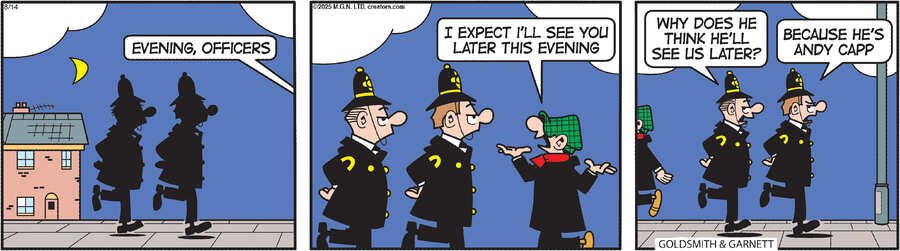
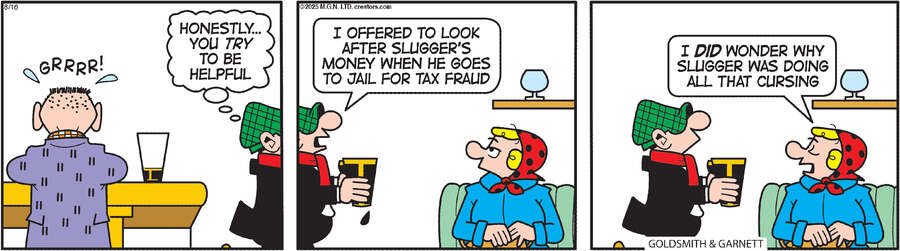
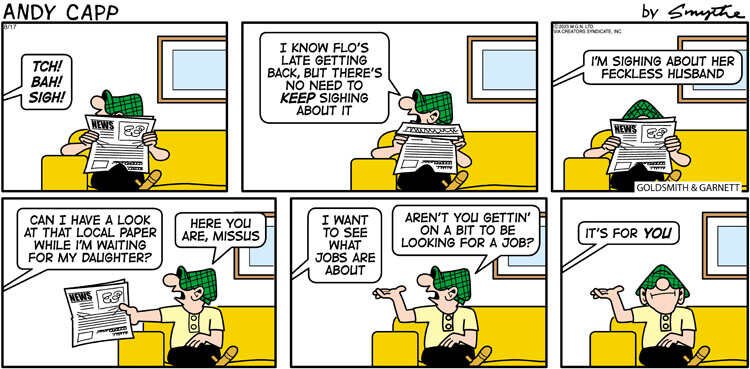
When Andy Capp finally quit smoking in 1983, it marked the end of an era, but it also helped secure the strip’s future. Looking back, the decision was a wise one. It allowed Andy to gently step away from a habit that was increasingly seen in a negative light by the public. While he will always be a bit of a rogue, he’s no longer actively promoting an unhealthy lifestyle with every panel. This transition might have helped the strip maintain its broad appeal in a more health-conscious world.
Reg Smythe’s personal decision ultimately added another layer to the character’s long history. It turned a simple comic strip change into a touching story about an artist and his creation. Sadly, Smythe’s own battle with smoking had a tragic end. He passed away in 1998 from lung cancer, a stark reminder of the very real dangers of the habit he and his character fought so hard to quit . This fact makes the decision to have Andy quit in 1983 seem all the more poignant and significant.
Today, the legacy of Andy Capp lives on. A statue of the much-loved character stands proudly in his hometown of Hartlepool, cementing his place in British cultural history . And while he may no longer have a cigarette in his hand, he’s still instantly recognizable with his cap, his pint, and his unshakeable attitude. The story of why he quit is a perfect example of how real life can influence art in the most unexpected ways, proving that even a cartoon icon can change with the times for a very personal reason.