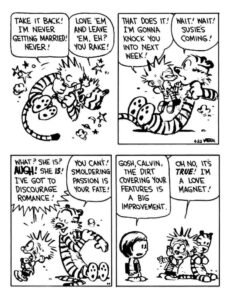
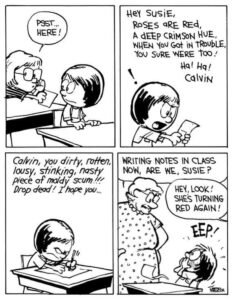
For anyone who grew up flipping through the Sunday funnies, the names Calvin and Hobbes bring back a rush of memories. It has been three decades since Bill Watterson drew the final strip, yet the boy and his tiger have never really left us. While many comics come and go, Calvin and Hobbes has cemented its place in pop culture history. It is more than just a funny comic; it is a blend of sharp wit, heartfelt moments, and stunning artwork that continues to attract new readers of all ages. Even in a world now dominated by digital media, the adventures of a six-year-old troublemaker and his stuffed companion remain as fresh and relevant as they were in 1985 .
What is it about this particular strip that makes it stand out in a crowded field of classics like Peanuts or The Far Side? The answer lies in its perfect balance of humor and philosophy, its unforgettable characters, and the unwavering artistic integrity of its creator. It is a strip that never talked down to its audience and never sold out. Whether you are a lifelong fan or someone just discovering the magic, it is easy to see why so many people argue that Calvin and Hobbes isn’t just a great comic—it is the greatest comic strip of all time .
10+ Calvin and Hobbes
Image Credit : Pintrest.com
#1
#2
#3
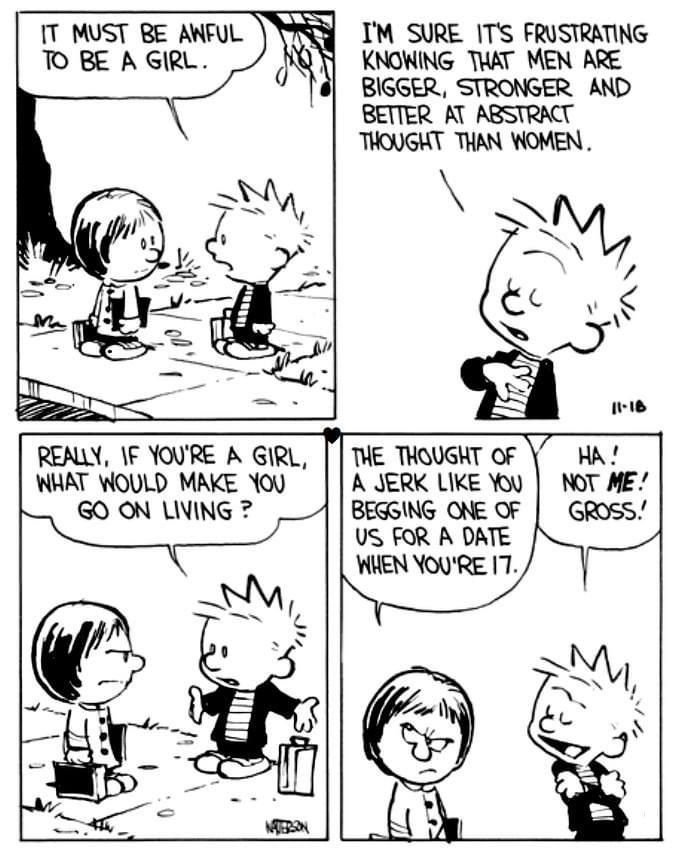
#4
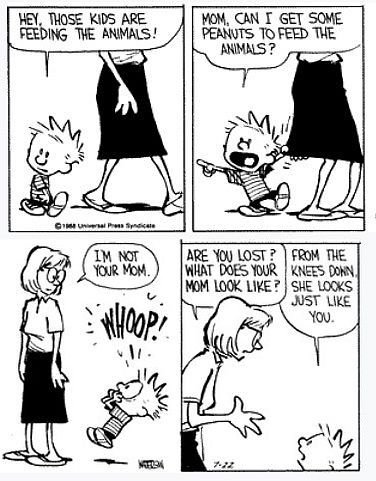
#5
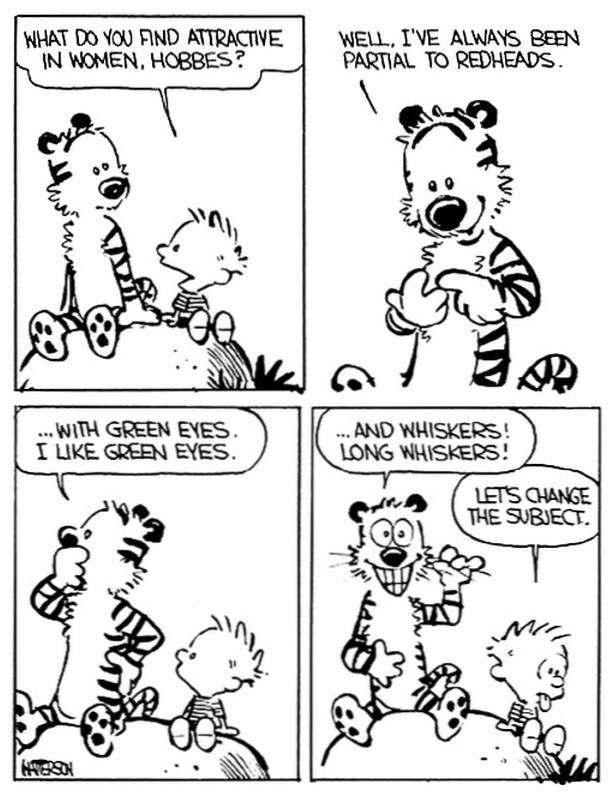
#6
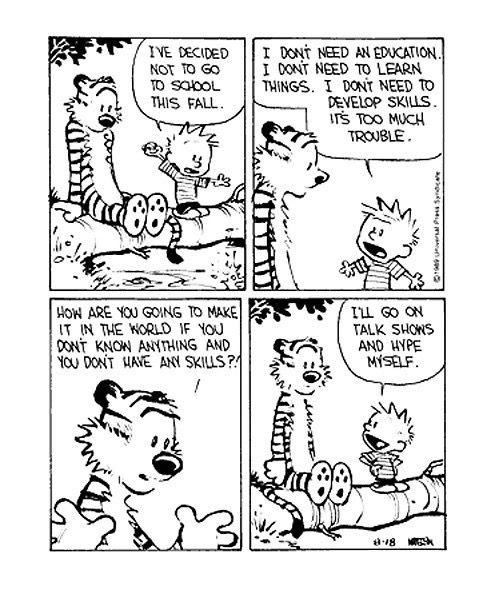
#7
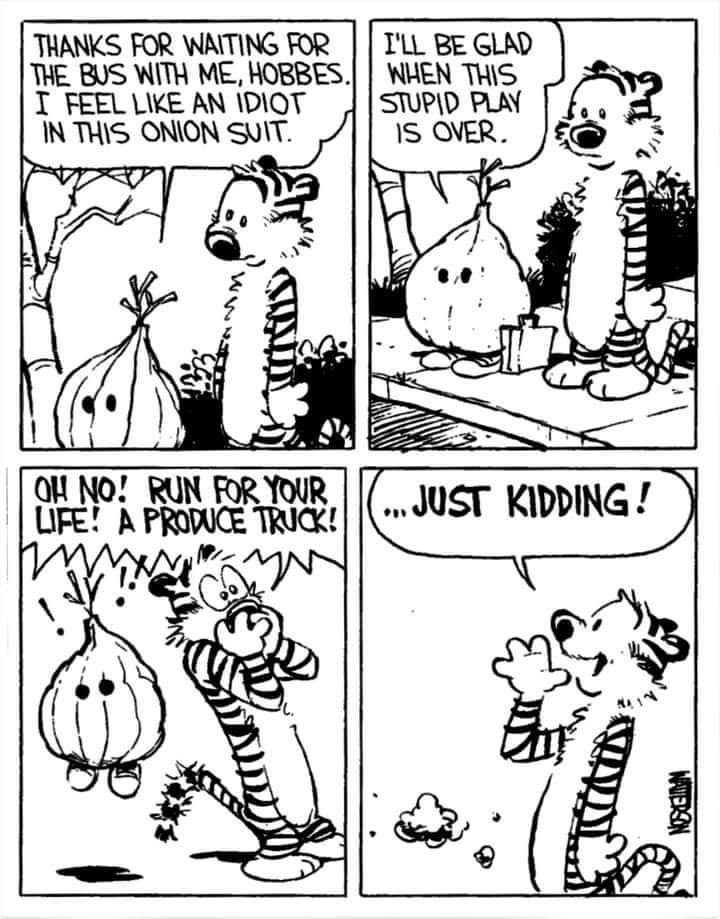
#8
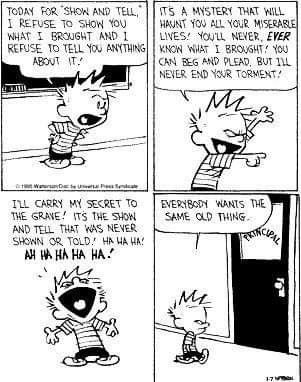
#9
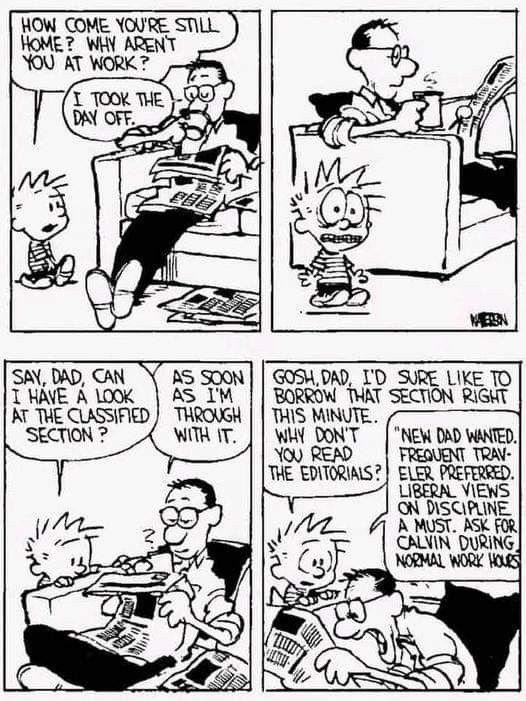
#10

A Perfect Friendship: The Magic of Calvin and Hobbes
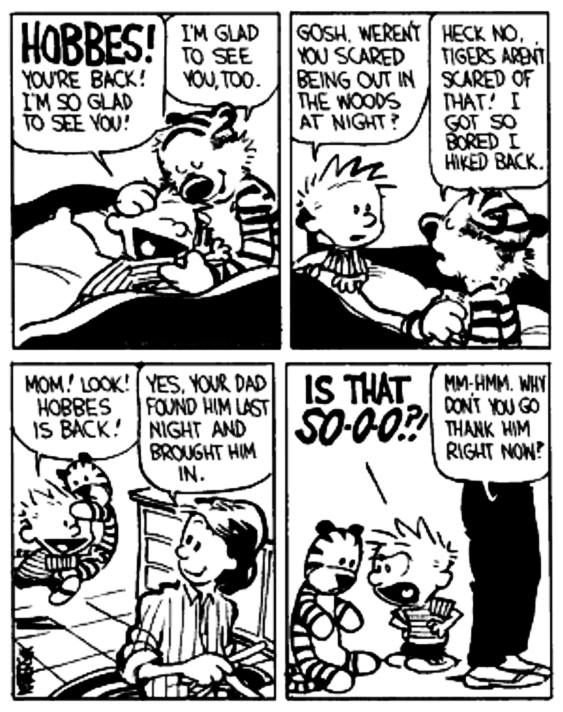
At the heart of the strip lies one of the most unique relationships ever committed to paper. On the surface, it is simple: Calvin is a young boy, and Hobbes is his stuffed tiger. But within the panels of the comic, Hobbes is very much alive—a witty, thoughtful, and sometimes sarcastic companion who helps Calvin navigate the confusing world of adults . This dual reality is the genius of the strip. To Calvin, Hobbes is a real tiger who pounces on him when he gets home from school; to everyone else, he is just a lifeless doll. Watterson masterfully leaves this ambiguity up to the reader, inviting us to see the world through the eyes of a child .
The dynamic between the two characters is what drives the emotional core of the strip. Calvin is impulsive, selfish, and wildly imaginative—the id of the pair. Hobbes, on the other hand, is the voice of reason, often providing a calm counterpoint to Calvin’s chaotic plans . Yet, Hobbes is not just a boring conscience; he has a mischievous streak of his own, often being the one to tackle Calvin or make a dry observation that cuts to the heart of the matter. They bicker, they play, and they explore the world together. It is a genuine friendship, and readers feel like they are part of it. As one fan perfectly described, Hobbes is the gateway to imagination, and their bond reminds us that even as the world gets cruel, there is always time for a hug .
Beyond the Funny Pages: The Unexpected Wisdom
One of the reasons Calvin and Hobbes has aged so well is its surprising depth. While it is filled with hilarious antics—like Calvin’s alter egos Spaceman Spiff or Stupendous Man—the strip also tackles big ideas . Bill Watterson used his platform to explore philosophy, environmentalism, and the pressures of modern life, all through the eyes of a six-year-old. This never felt preachy; instead, it felt like a natural part of Calvin’s world. A conversation about the meaning of life might happen while sailing down a hill on a wagon, blending deep thought with slapstick comedy .
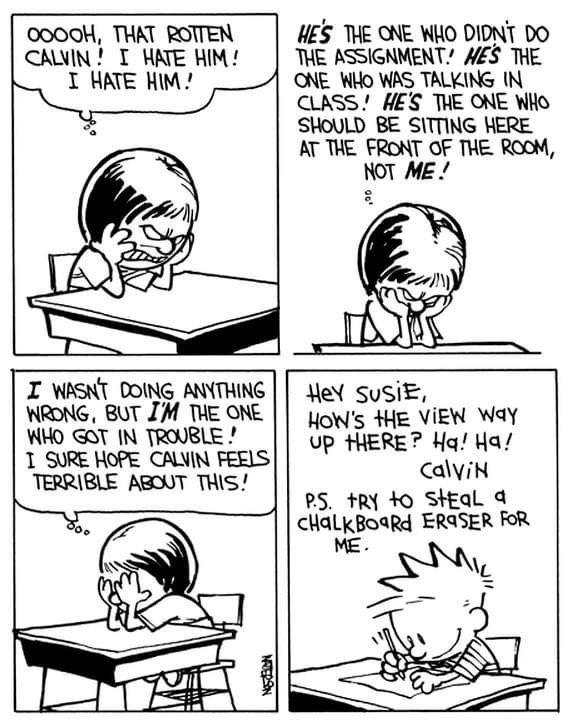
The strip also served as a brilliant critique of consumerism, art, and the education system. Calvin’s disdain for school and his creative book reports (like his one-panel analysis of Hamlet) resonated with anyone who ever felt boxed in by rigid rules . Watterson poked fun at the art world, the commercialism of Christmas, and the absurdity of adult conventions. Yet, he always balanced this cynicism with a sense of wonder. For every jab at homework, there was a stunning watercolor spread of Calvin and Hobbes staring up at the stars, reminding us of the beauty of nature and the importance of slowing down . This blend of sharp satire and genuine sentimentality gives the strip a richness that rewards rereading as an adult.
Standing on Principle: The Art of Saying No
In an age where popular characters are plastered on everything from lunchboxes to movies, Calvin and Hobbes remains refreshingly pure. Bill Watterson famously fought against the commercialization of his creation. At the height of the strip’s popularity, he walked away from hundreds of millions of dollars by refusing to license his characters . There are no official “Hobbes” plush toys, no animated TV specials, and no cheesy movie adaptations. Watterson believed that if he licensed the strip, he would be diluting the very art he was trying to create .
This decision was not just about money; it was about maintaining the integrity of the strip’s reality. As Watterson’s editor noted, the nature of Hobbes—whether he was real or imaginary—would have been “solved” if a toy version existed on every store shelf . By keeping the strip confined to the newspapers and books, Watterson ensured that the magic remained in the minds of the readers. He proved that art could exist for art’s sake, even in the commercial world of syndicated comics. This integrity adds to the strip’s legacy; it never overstayed its welcome and never became a hollow parody of itself .
A Lasting Legacy in a Digital World
Even though the last strip ran on December 31, 1995, Calvin and Hobbes continues to thrive. The final image of Calvin and Hobbes sledding into a snowy landscape, declaring “It’s a magical world, Hobbes, ol’ buddy… Let’s go exploring!” is perhaps the most perfect ending in comic history . It wasn’t a sad goodbye; it was an invitation. Watterson left the door open for readers to continue the adventure in their own imaginations. The blank white snow represented the blank page—a canvas for endless possibilities .
Today, the strip reaches new generations through compilation books and online archives. It is a common gift from parents to children, creating a shared language of humor and imagination across generations . In a media landscape that is fractured and fast-paced, Calvin and Hobbes asks us to slow down and laugh. It reminds us of the importance of play, the value of friendship, and the need to question the world around us. It is a strip that appeals to the child in everyone while satisfying the adult who reads between the lines. That is why, thirty years later, it remains unmatched. It isn’t just a comic strip; it is a gentle philosophy for living a meaningful life.
To conclude, the greatness of Calvin and Hobbes lies in its timeless exploration of childhood, friendship, and imagination. It made us laugh with its absurdity, think with its philosophy, and feel with its tenderness. Bill Watterson gave us a gift wrapped in ink and paper—a world where a tiger is real if you believe hard enough, and where every snowy day is a chance to start over. It is a world we can return to whenever we need a reminder of what really matters. And that is why, now and forever, it remains the greatest comic strip of all time .