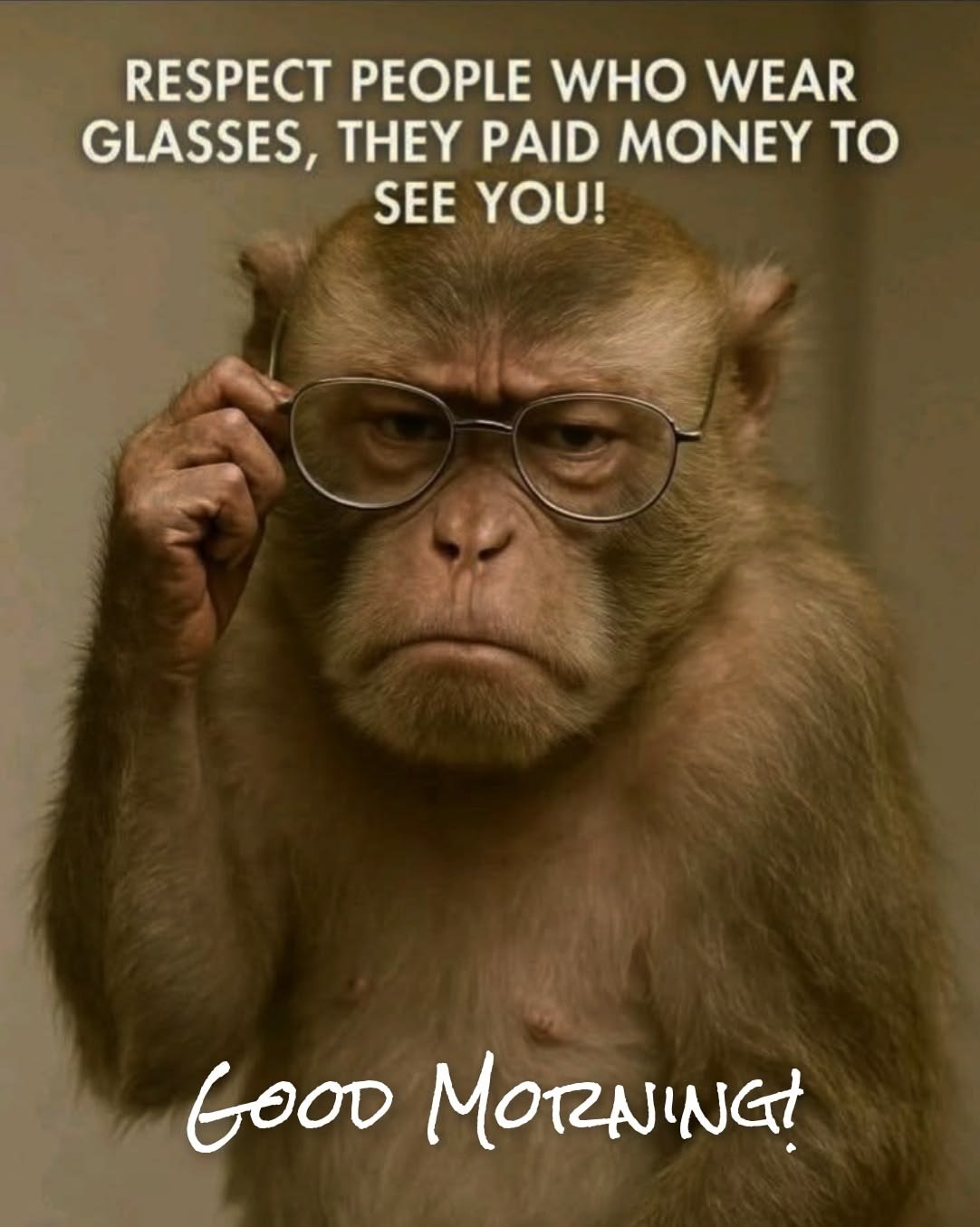
There is a reason why videos of monkeys and apes go viral on the internet. Whether it is a chimpanzee pulling a silly face, a gorilla slipping on a patch of grass, or a little monkey teasing a much larger friend, we just can’t seem to stop watching. We share these clips with friends and family because they make us laugh out loud. But have you ever stopped to wonder why these moments feel so familiar? Why does a monkey’s prank feel like something a human toddler would do?
For a long time, we thought that humor and the ability to be playful was something that made humans special. We assumed that you needed complex language and advanced thinking to tell a joke. However, recent science is turning that idea on its head. Researchers have discovered that our closest animal relatives share this same playful spirit. In fact, the teasing and the laughter that we see in monkeys and apes might be the very same building blocks that evolved into our sense of humor millions of years ago . Let’s dive into the fascinating science behind “monkey funnies” and discover what their jokes say about us.
10+ Monkey funnies
Image credit: Pintrest.com
#1
#2

#3

#4
#5
#6
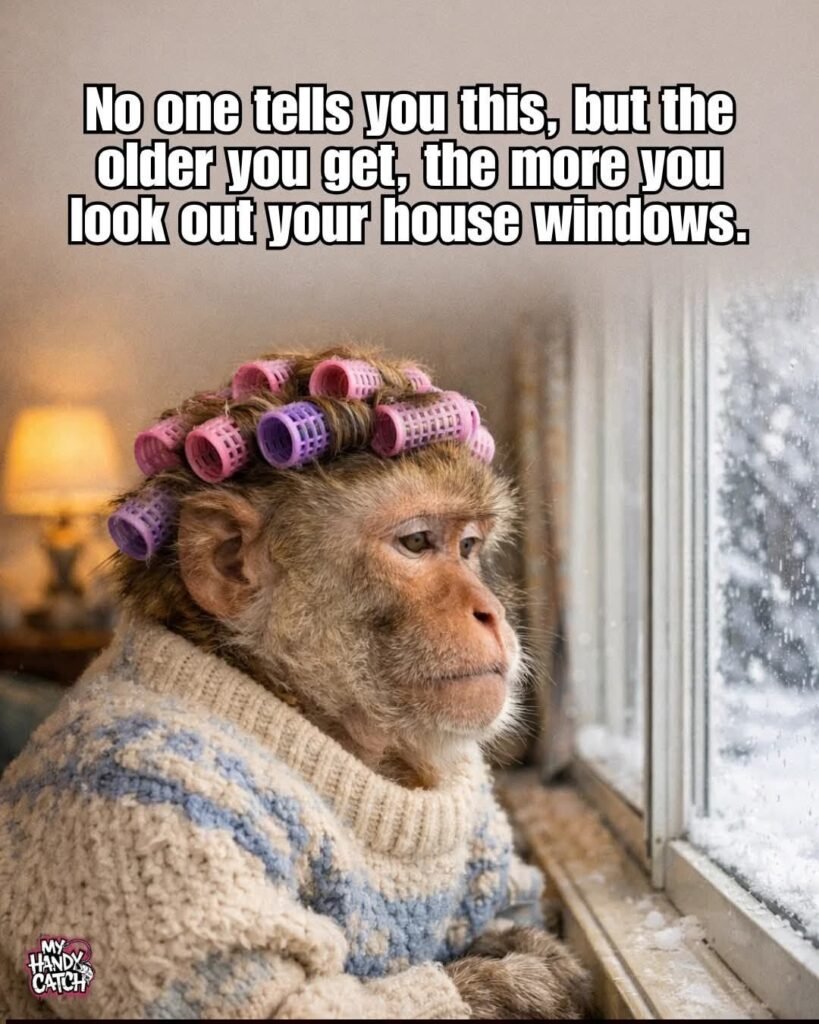
#7
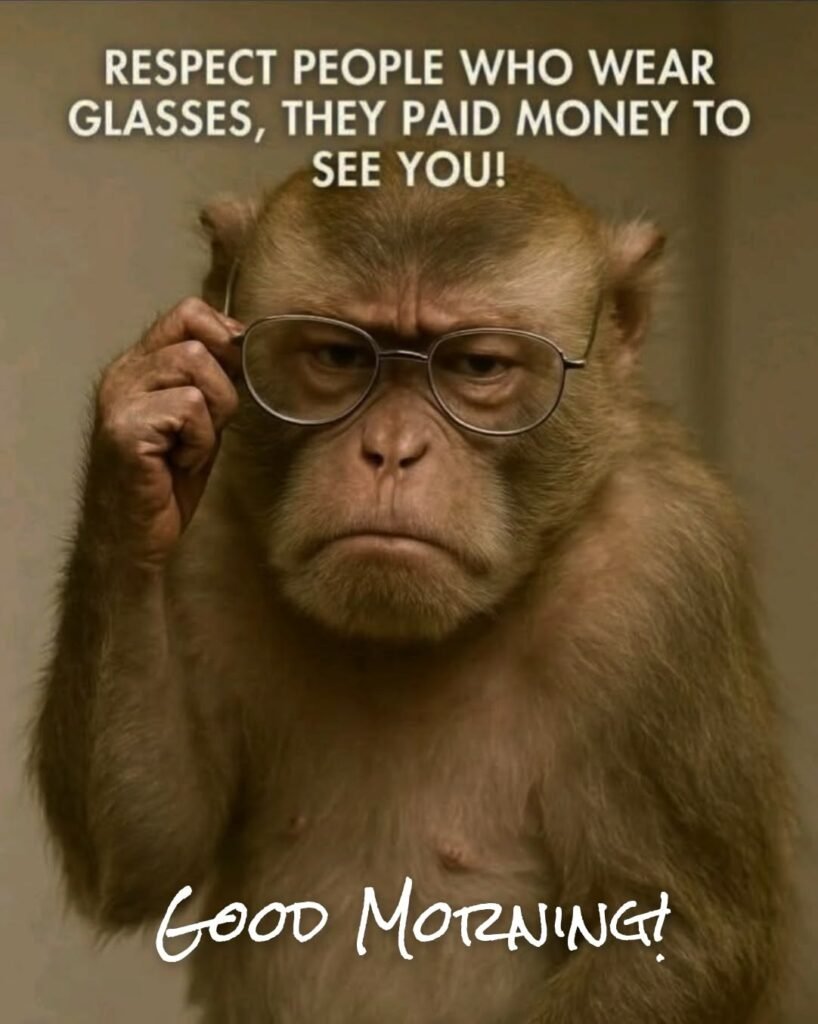
#8
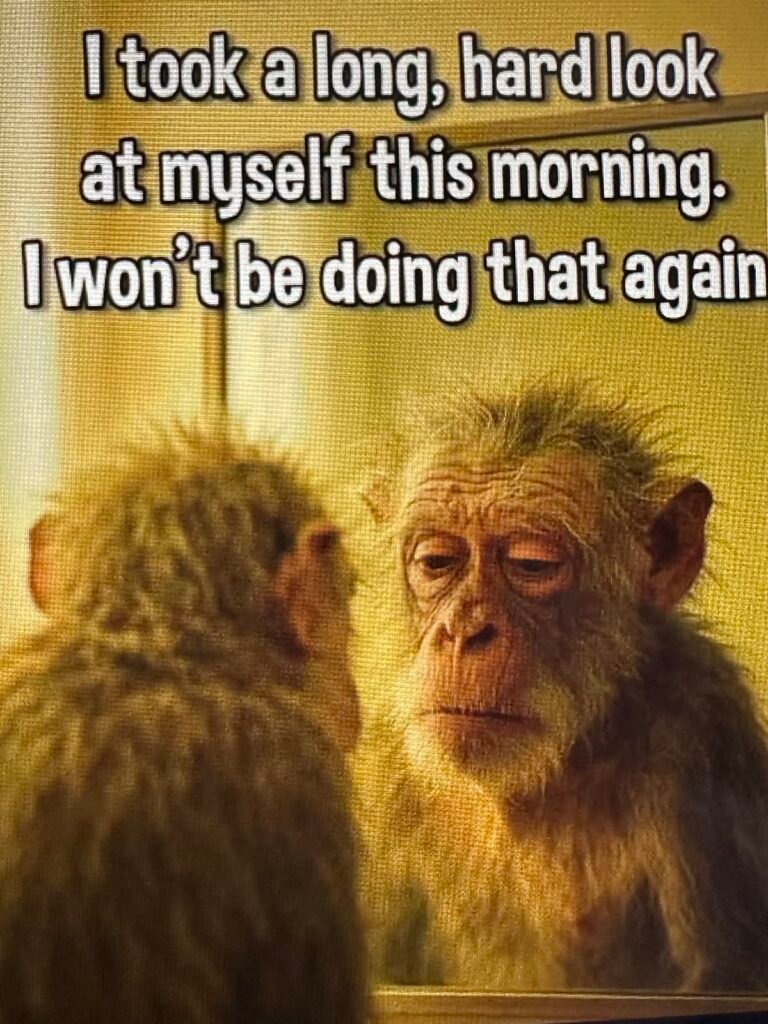
#9
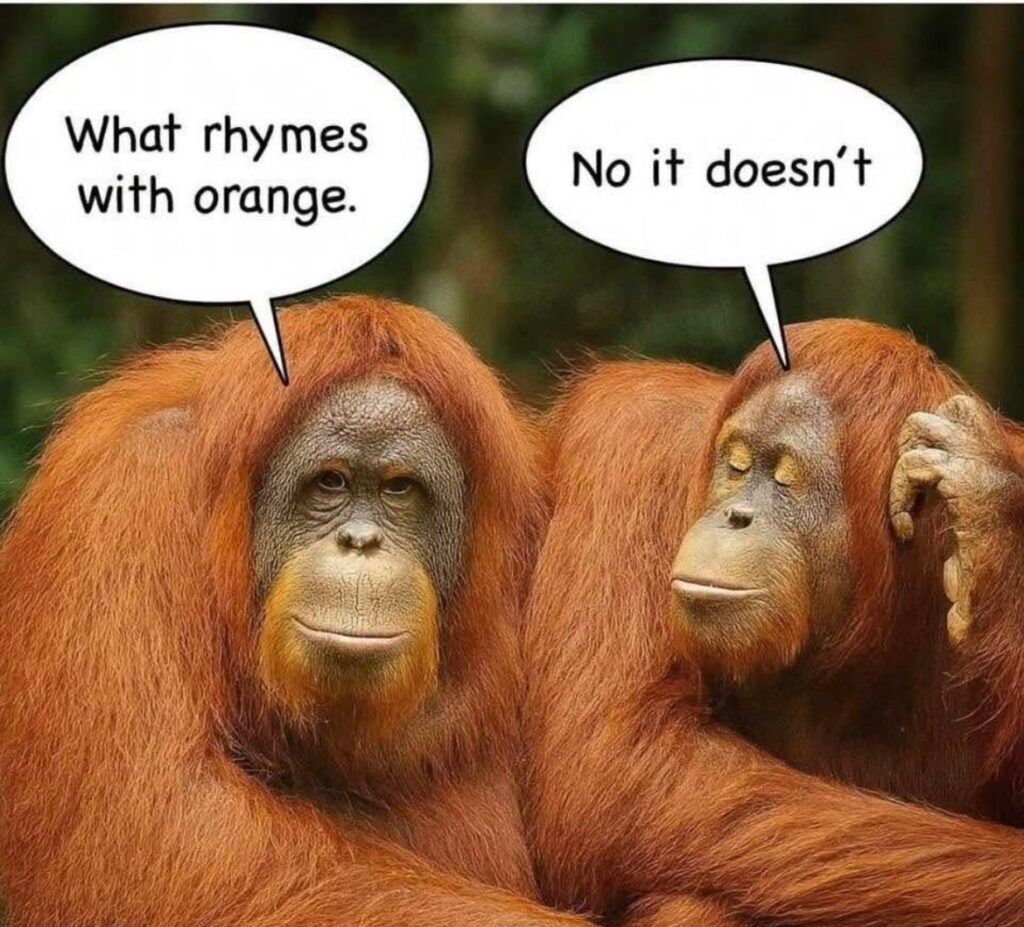
#10
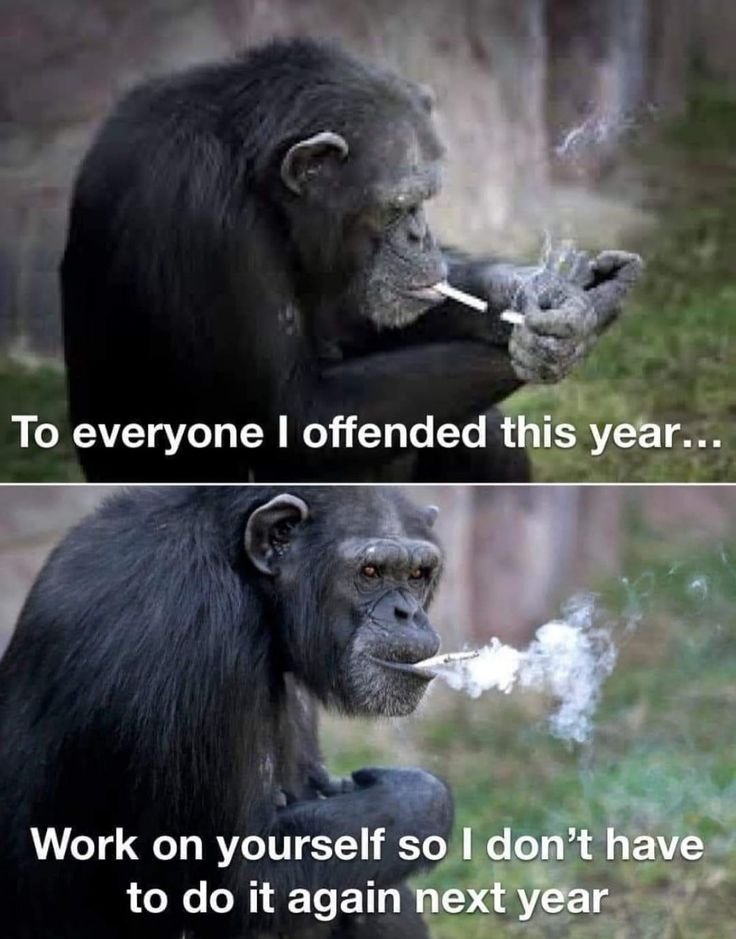
The Pranksters of the Animal Kingdom: It’s Not Just Play
When you watch a group of monkeys at the zoo or in a nature documentary, you might notice they don’t just sit around. They are constantly interacting, pushing, pulling, and bothering each other. At first glance, we call this “playing.” But researchers have taken a closer look and realized that some of this behavior is actually something much more specific: playful teasing.
A major study published in 2024 observed four different species of great apes—orangutans, chimpanzees, bonobos, and gorillas—and identified 18 distinct behaviors that look exactly like practical jokes . These weren’t random acts of aggression or aimless play. They were deliberate actions designed to get a reaction. The apes would wave an object in front of another’s face and then pull it away at the last second. They would poke or hit a family member and then dash away, looking back to see what would happen. They would even pull hair or block someone’s path just to disrupt them .
This is different from regular play. When animals play, they usually take turns—one chases, then the other chases back. But teasing is one-sided. The teaser is the one driving the action, and they are constantly watching the victim to see if their “joke” landed. It is deliberate, provocative, and surprisingly gentle. It looks less like a wrestling match and more like a child saying, “I’m not touching you!” just to get a rise out of their sibling .
Your Brain on Funny: We Share the Same “Laughter” Circuits
So, we know the monkeys look like they are joking, but what is going on inside their heads? And why does watching them trigger such a strong reaction in ours? The answer lies deep inside the brain. Laughter is not just a cultural thing we learn; it is an ancient, biological response.
Studies looking at the brains of humans and monkeys show that we share very similar circuits for processing emotions and vocalizations. When you hear a funny sound or laugh at a silly video, specific parts of your brain light up. This includes areas that handle hearing (auditory cortex), movement (premotor cortex), and emotion (the amygdala) . Researchers have found that monkeys use the same brain regions when they make “laughter-like” sounds during social play .
Even the physical act of laughing is similar. Human laughter has a very specific sound—it is usually short, vowel-like sounds (like “ha-ha-ha”) that happen during exhaling. This is very different from regular speech. Interestingly, the vocalizations that great apes make when they are being tickled or playing follow the same acoustic rules . This suggests that the hardware needed for humor—the ability to make a playful sound and the ability to find that sound funny—was present in the last common ancestor we shared with great apes over 13 million years ago . When we laugh at a monkey video, we are recognizing a shared biological heritage.
The Evolutionary Reason Behind the Monkey Business
If humor is so ancient, it must serve an important purpose. It can’t just be about getting likes on social media. In the wild, having a sense of humor—or at least the ability to engage in playful teasing—actually helps animals survive and thrive within their social groups.
For humans, humor is a social glue. It breaks the ice, relieves tension, and helps us bond with others. It seems to work the exact same way for primates . When a young ape teases an adult, they are actually learning social rules. They are figuring out how far they can go, what gets a positive reaction, and what makes someone angry. This is why the teaser often does a “response look”—they pause after poking the adult to gauge their reaction . If the adult gets annoyed, the baby learns a boundary. If the adult plays along, the bond between them strengthens.
Isabelle Laumer, a researcher involved in the major ape study, noted that this behavior usually happens in relaxed contexts . Just like humans bantering with close friends, apes tease the individuals they feel safest with. It reinforces friendships and establishes trust. Furthermore, some scientists believe that this kind of play is “fertilizer for the brain.” It creates new connections and helps animals (and people) become more socially aware and emotionally intelligent . So, when monkeys are being funny, they aren’t just messing around; they are actively building and maintaining their family relationships.
From Slapstick to Sophistication: How Animal Jokes Work
Not all monkey funnies are created equal. Just like human humor ranges from simple slapstick (someone slipping on a banana peel) to complex wordplay, animal humor also has different levels. The teasing observed in apes is often very physical—what we would call slapstick humor. But it still follows the rules of a good joke.
Think about the classic setup-and-punchline structure. Researchers observed an infant orangutan dangling a stick in front of its mother. The setup was the offering of the stick. The mother expected to grab it. But the punchline came when the infant pulled it back at the last second, creating a moment of surprise . This is a perfect example of what humor experts call “benign violation.” For something to be funny, it needs to violate our expectations (it’s surprising) but in a safe, non-threatening way . The mother orangutan wasn’t hurt; she was just surprised.
This ability to understand and manipulate someone’s expectations requires a “theory of mind”—the ability to understand that others have different thoughts and beliefs than you do . For a long time, we thought theory of mind was unique to humans. But watching a gorilla sneak up and poke a friend just to see them jump shows that they understand what their friend expects, and they deliberately do the opposite to get a laugh. It might not be Shakespeare, but it is definitely the foundation of comedy.
Conclusion
The next time you watch a video of a monkey causing trouble and find yourself giggling, remember that you are witnessing something truly special. You aren’t just watching a random animal act. You are watching an ancient form of social communication that we inherited from a common ancestor millions of years ago. The playful teasing, the pokes, the stolen objects, and the silly faces are all part of a shared evolutionary history.
Science shows us that humor isn’t just a human luxury. It is a biological tool used by primates to bond, to learn social rules, and to navigate the complexities of living in a group. So, the reason we find monkeys so funny is simple: because they are just like us. They laugh, they play pranks, and they enjoy the reaction of their friends. They prove that the desire to make someone laugh is a deep, natural, and wonderful part of life on this planet.