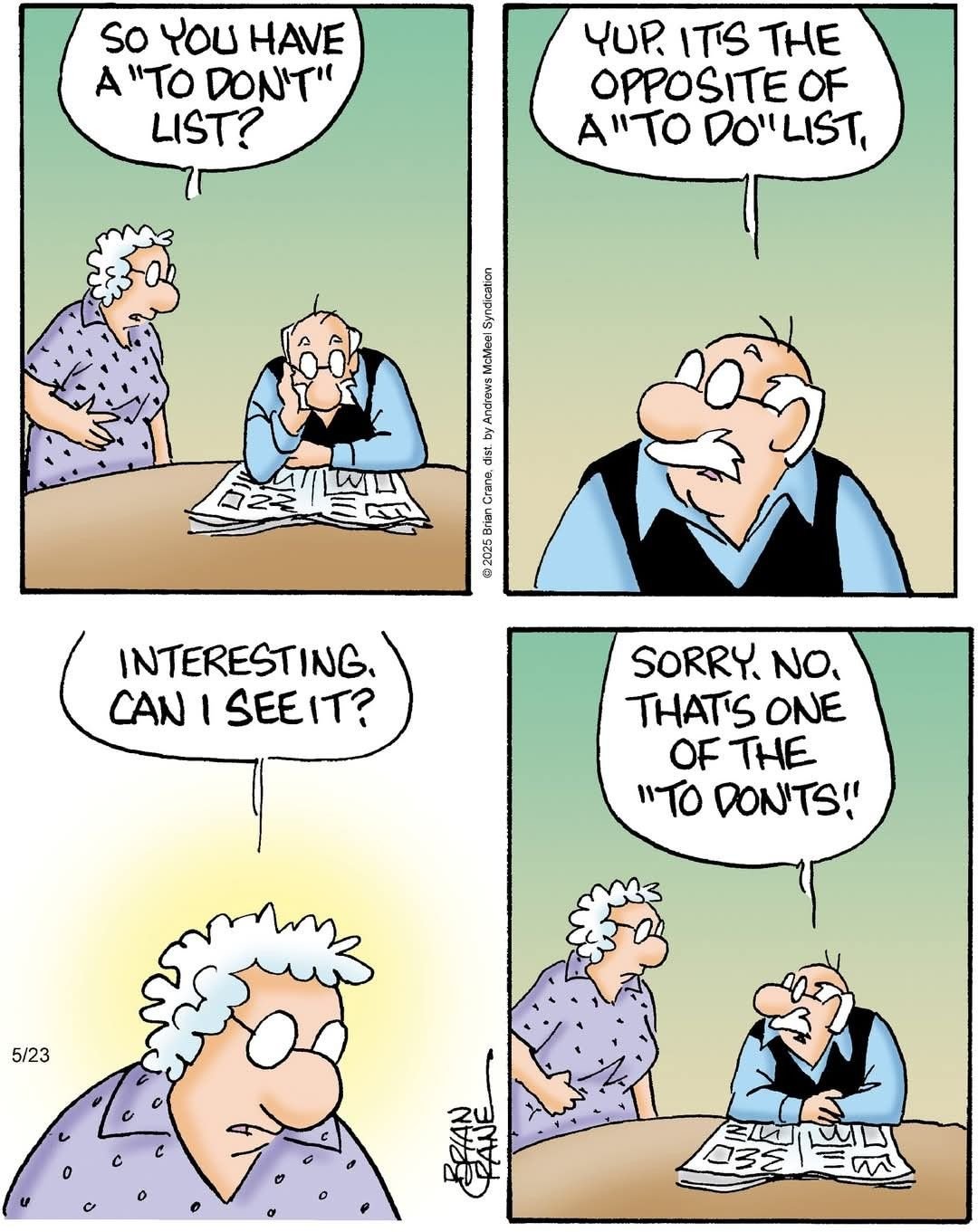
If you have ever walked into your kitchen only to find your spouse using a frisbee as a snack bowl, or watched your tech-savvy grandchild try to teach you how to use the TV remote for the hundredth time, then you already live in a “Pickles” comic strip. Since its debut in 1990, Brian Crane’s beloved creation, Pickles, has become a staple in newspapers across the globe . The strip centers on Earl and Opal Pickles, a retired couple navigating the golden years with sarcasm, love, and a whole lot of confusion. Alongside them is their curious grandson Nelson, their long-suffering dog Roscoe, and a cat named Muffin who definitely runs the household .
What makes this comic so special isn’t just the punchlines; it is the way it holds a mirror up to our own lives. It reminds us that while every family is different, the chaos, the love, and the little annoyances are pretty much universal. Whether you are twenty-five or eighty-five, there is a little bit of Earl or Opal in all of us. Let’s dive into why Pickles remains the perfect cartoon representation of the beautiful mess we call family life.
10+ Pickles Comics
Image Credit : Brian Crane
#1

#2

#3
#4
#5
#6
#7

#8
#9
#10
The Relatable Humor of Everyday Misunderstandings
One of the biggest reasons Pickles resonates with so many people is its focus on the tiny, mundane moments that often turn into the biggest laughs. Brian Crane has a genius for taking a simple household task and turning it into a hilarious saga. For instance, anyone who has ever battled with laundry will appreciate the strip where Earl complains about fitted sheets, humorously comparing the struggle of folding one to waking up trapped in a “body bag” . It is this kind of exaggeration of real life that makes readers snort into their morning coffee.
Then there is the classic generational divide when it comes to technology. In one famous strip, Grandma Opal is frustrated with her phone, and Nelson—the grandson—is baffled about how she manages to survive in the modern world. Opal’s legendary comeback? “I taught you how to use a spoon” . It is the perfect mic-drop moment that every parent or grandparent wishes they had thought of when a kid rolls their eyes at them. These strips work because they don’t rely on mean-spirited jokes; instead, they highlight the communication gaps with warmth and wit.
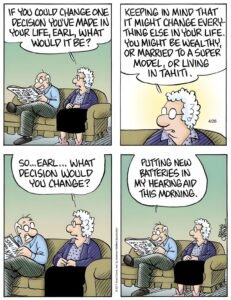
Even the way couples argue is captured perfectly. There is a strip where Opal admits she lost Earl’s car keys, only for Earl to breathe a sigh of relief so he can admit he lost the checkbook . This “offset blame with humor” strategy is something every long-term partner will recognize instantly. Pickles shows us that misunderstandings aren’t just annoying—they are actually the glue that holds the story of a family together.
Earl and Opal: A Marriage Built on Sarcasm and Love
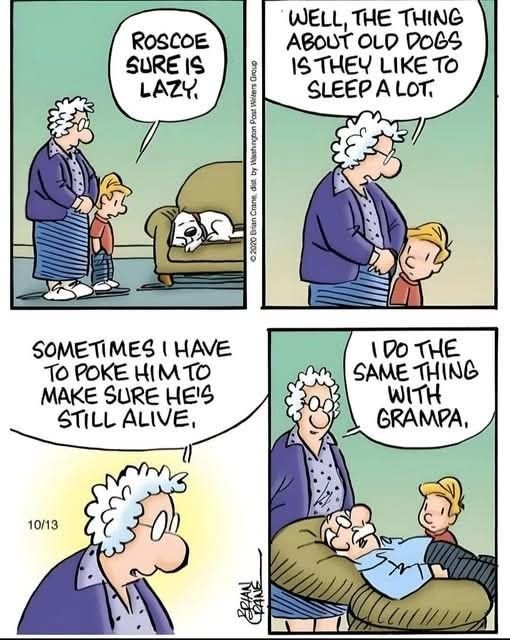
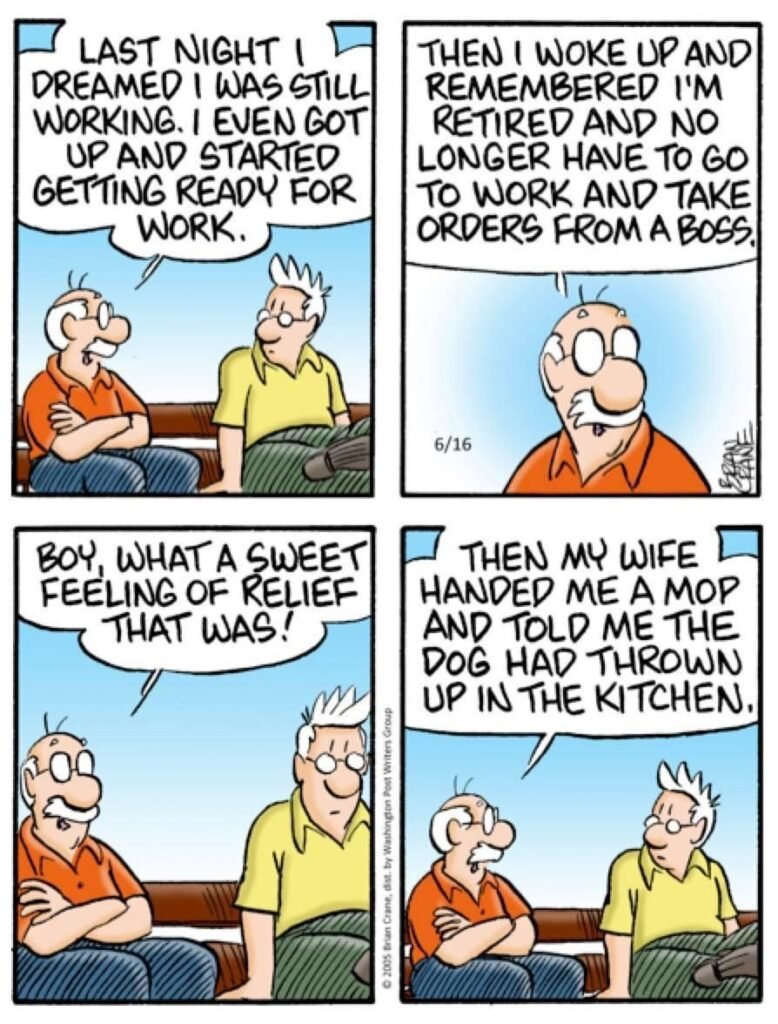
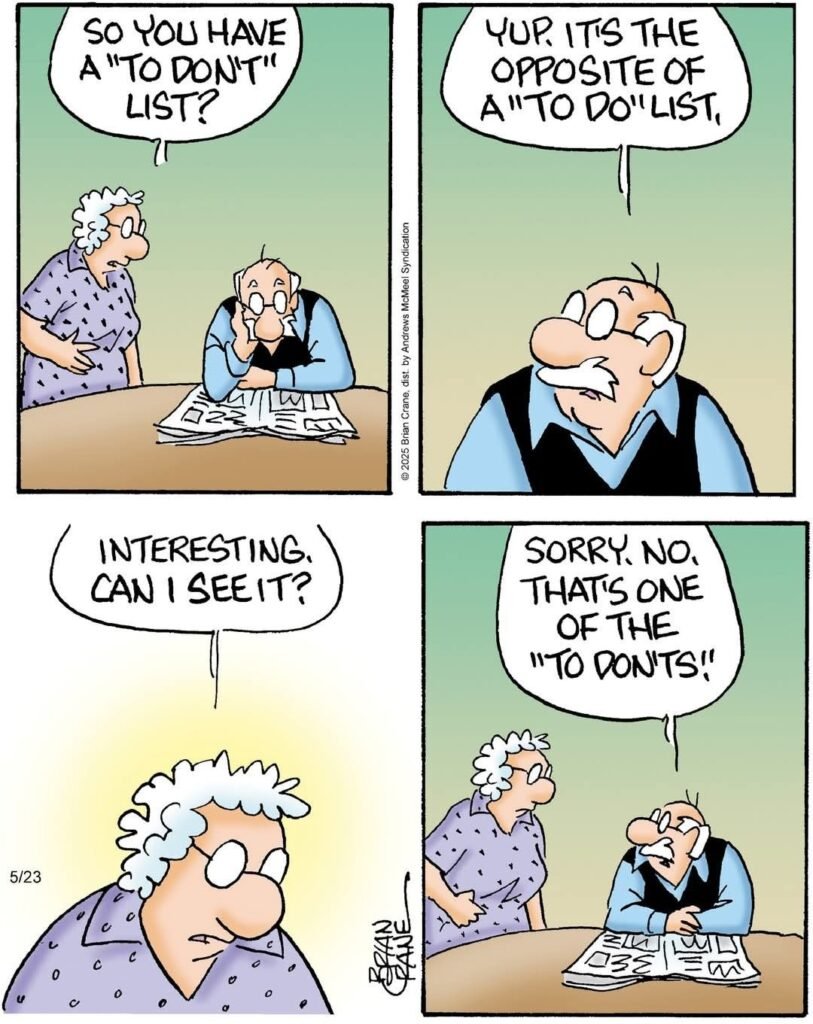
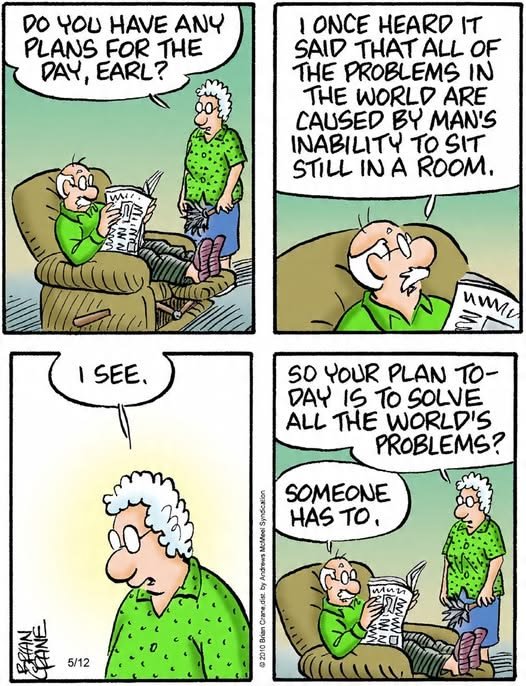
At the heart of the Pickles household is the relationship between Earl and Opal. After more than fifty years of marriage, they have settled into a comfortable rhythm of bickering, sarcasm, and surprising tenderness. Earl is the classic couch potato who avoids unnecessary movement, while Opal is the sharp-tongued realist trying to keep the house (and her husband) from falling apart . This dynamic is where much of the comic’s soul lives.
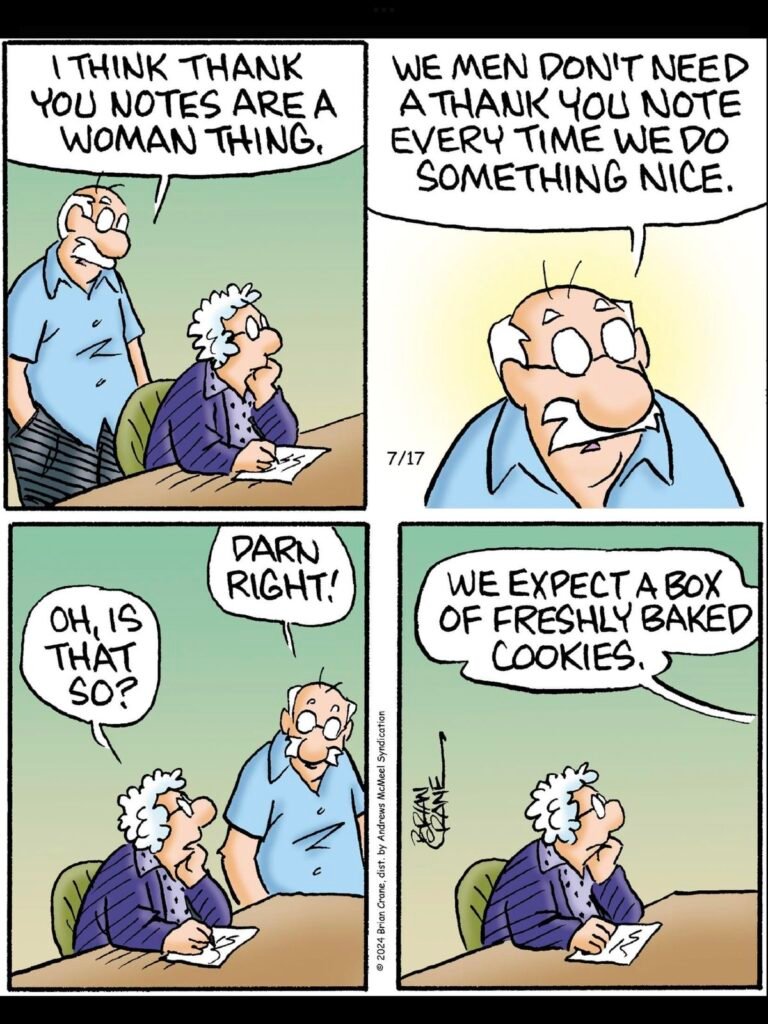
Their love isn’t shown through grand romantic gestures, but through the tiny, everyday sacrifices. In one comic, Opal thanks Earl for disappearing while her friends were visiting, to which Earl dryly agrees that “absence makes the best gift” . It’s funny because it’s true—sometimes the most romantic thing you can do for your partner is give them space. Yet, in other strips, we see moments of genuine sweetness, like when Earl admits he’s “almost” told Opal how much he appreciates her . It’s that hesitation, that awkward vulnerability, that makes them feel like a real couple.
Even their frustrations are endearing. When Earl tries to do something nice, like making soup for a sick Opal, he plops a whole block of cheese into the bowl because he “couldn’t find the grater” . It’s useless, it’s messy, but it’s clearly done with love. Pickles captures the reality that marriage isn’t about perfection; it’s about sharing a life with someone who drives you crazy, but who you wouldn’t trade for the world.
The Grandparent-Grandchild Bond Steals the Show
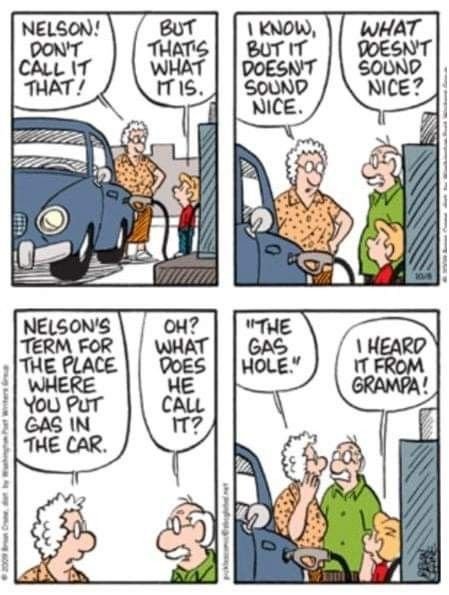
While Earl and Opal are the stars, the arrival of their grandson, Nelson, adds a new layer of energy and chaos to the mix. Nelson is the curious bridge between the elderly couple and the modern world, and his interactions with his grandparents provide some of the most heartwarming and funny moments in the series . He is the one who asks the tough questions, like why Grandpa uses weird “old-timey” words, or why vacuum cleaners are so scary .
Nelson sees his grandparents as superheroes, at least until he gets older. In one poignant strip, Earl laments that he has lost his superhero status in Nelson’s eyes and is now just an ordinary old man. His friend comforts him by noting that he is “exceptionally ordinary,” which technically makes him special . It is a beautiful way of looking at aging through the eyes of a child, reminding us that we don’t need capes to be heroes to the little ones in our lives.
Of course, the bond also includes plenty of mischief. When Nelson colors on Grandpa’s bald head while he’s sleeping, or when Grandpa rates Nelson’s dinner table burp a “7 out of 10,” we see the unique friendship that skips a generation . It’s a relationship built on shared secrets, mild rebellion against Mom or Grandma, and a mutual appreciation for the simple things in life—like cookies hidden in a fanny pack .
Life’s Little Struggles Through the Eyes of a Senior
Aging is a central theme in Pickles, but Brian Crane handles it with such grace that it never feels depressing. Instead, the comic strip pokes gentle fun at the physical and mental quirks that come with getting older. From forgetting why you walked into a room to mishearing conversations, the strip is a masterclass in laughing at yourself. In one memorable strip, Earl thinks Opal said a “Cadillac” is here, getting his hopes up, only to realize she actually said the “cat likes it here” .
The characters also deal with the universal struggle of trying to stay relevant in a fast-paced world. Earl and Opal don’t understand why the printer lies about having a paper jam, or why young people text each other from across the room . But instead of making them look pathetic, Pickles portrays their confusion as something dignified and funny. They have survived wars, raised children, and paid mortgages; a smartphone isn’t going to defeat them—it might just confuse them for a bit.
Even health scares and doctor visits are turned into comedy gold. When Earl has a colonoscopy coming up and Nelson wishes him luck, Earl deadpans, “I’ve been passing all morning,” leaving Grandma mortified . It is this ability to find humor in the less glamorous parts of life that makes Pickles so refreshing. It tells us that while getting old isn’t for sissies, it sure can be funny.
Why We See Ourselves in the Pickles Family
Ultimately, the reason Pickles has survived and thrived for over three decades is that readers see themselves in the frames. The strip is syndicated in hundreds of newspapers and has won major awards, including the Reuben Award for Outstanding Cartoonist of the Year in 2013 . But the real award is the loyal fanbase who clip the comics and put them on the fridge. Whether it is the “fanny pack dilemma” or the “five-second rule” debate with the dog, these are scenarios that play out in living rooms everywhere .
The comic also reminds us that family isn’t just about blood relations; it’s about the pets who judge us and the friends who tolerate us. Roscoe the dog and Muffin the cat offer their own “distinctive views of the goings-on,” often stealing the spotlight with a well-timed side-eye or a lazy stretch . They are the silent witnesses to the chaos, and their presence adds another layer of reality to the comic.
In a world that often feels divided, Pickles offers a comforting slice of life. It shows that no matter how much technology changes or how old we get, the core of family life remains the same. We annoy each other, we laugh at each other, and at the end of the day, we love each other. Brian Crane hasn’t just created a comic strip; he has created a time capsule of the human experience, proving that the chaos of family life is worth capturing, one panel at a time.